
CELLFLEX RF Feeder Cables for Critical RF Infrastructure
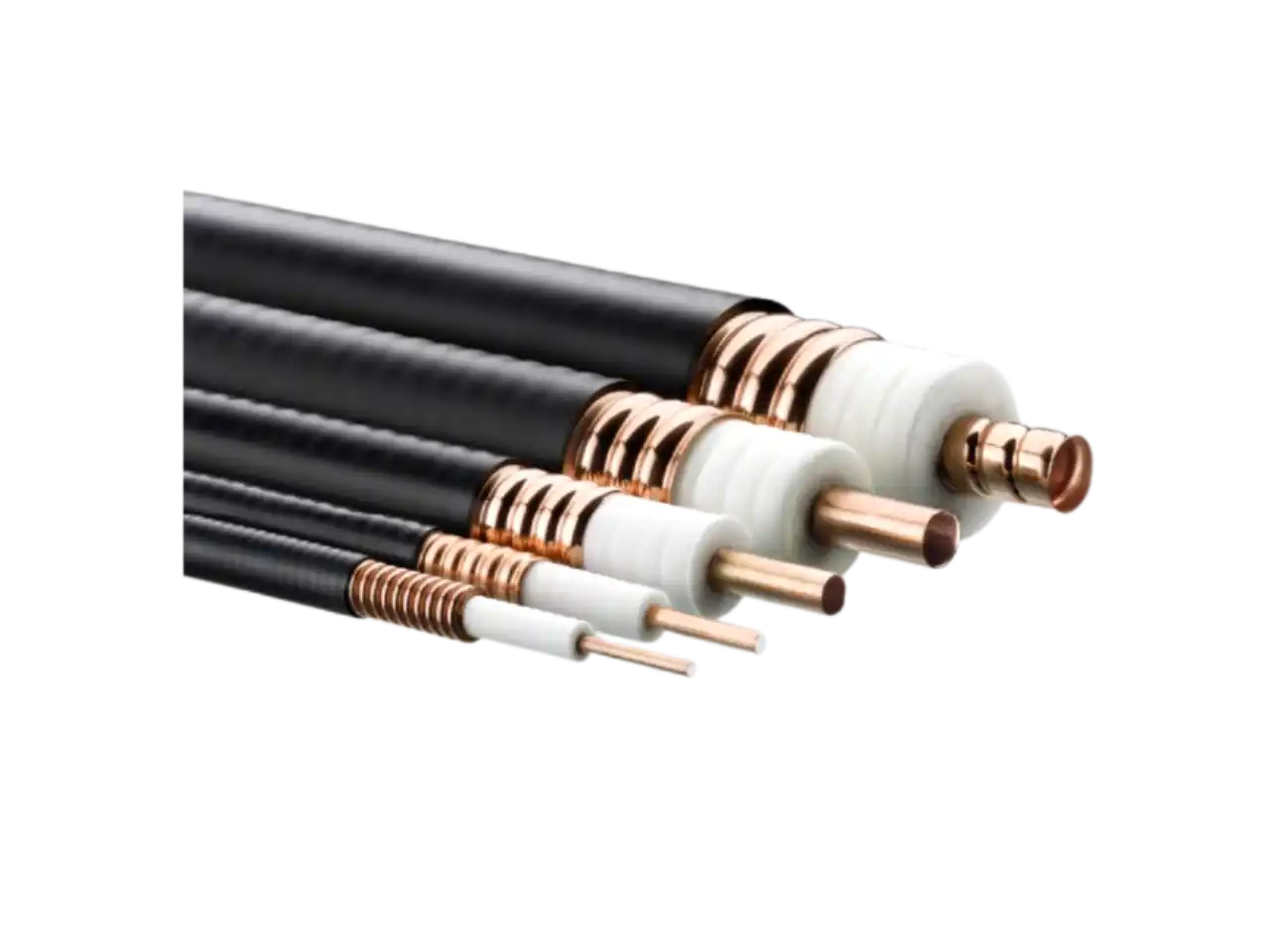
CELLFLEX is RFS’s corrugated coaxial feeder cable family for RF transmission paths where low attenuation, stable electrical performance, mechanical durability, and long outdoor service life all matter. It is used across mobile networks, broadcast infrastructure, rooftop sites, towers, and other installations where feeder runs must carry RF signals efficiently from active equipment toward the antenna system. The family includes copper-outer-conductor CELLFLEX cables and aluminum-outer-conductor CELLFLEX Lite variants, with sizes ranging from 1/4 inch to 1-5/8 inch across the wider portfolio. In practical terms, CELLFLEX fits projects where conventional coax jumpers are too limited for the main feeder path, but a larger high-power transmission solution such as air-dielectric cable or waveguide would be unnecessary.
Key features and advantages
Designed for reliable operation, flexible deployment and long-term serviceability across demanding technical environments.
Low-loss feeder architecture
Designed for main RF feeder runs where attenuation control matters over longer outdoor transmission distances.
Corrugated cable construction
Combines RF performance, mechanical strength, and practical handling for demanding site installations.
Broad size and variant range
Available in multiple cable sizes and material variants for different site layouts, performance targets, and installation conditions.
Built for outdoor deployment
Suited to mobile, broadcast, rooftop, and tower environments where long-term durability is essential.
CELLFLEX RF Feeder cables – variants and configurations
Compare the main CELLFLEX cable families and configuration paths within the wider feeder platform. This section highlights the practical differences between standard copper-outer-conductor CELLFLEX and lighter aluminum-based alternatives, helping position the right feeder type for different site conditions, mechanical requirements, and cost-performance priorities.
Standard CELLFLEX feeder cables
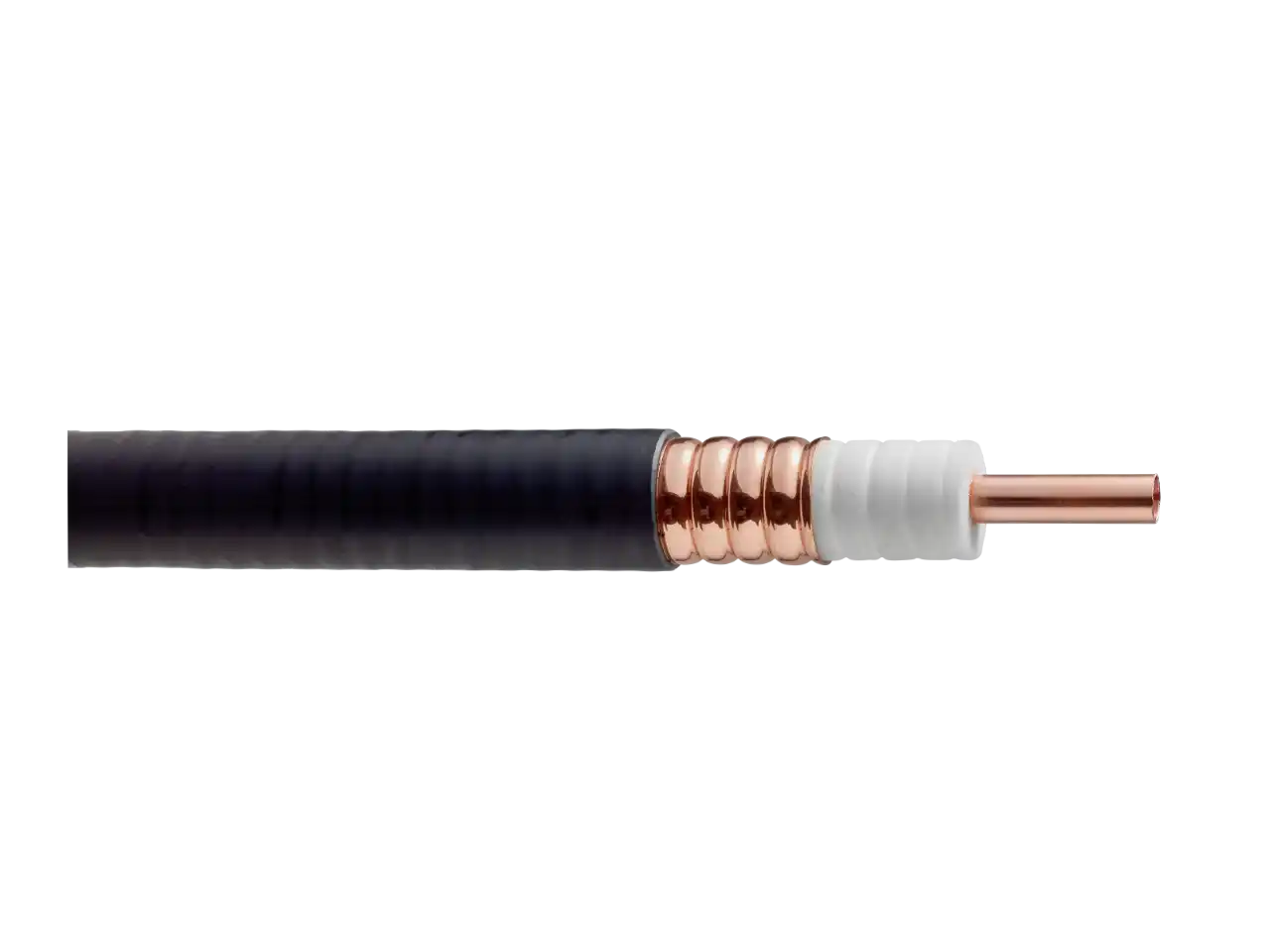
Standard CELLFLEX feeder cables use a corrugated copper outer conductor and are intended for RF feeder paths where low attenuation, strong shielding, and long-term mechanical durability are all important. They are typically chosen for towers, rooftops, and other outdoor infrastructure where the feeder line is a permanent part of the site architecture. This makes them the classic CELLFLEX option for main transmission runs in demanding mobile and broadcast environments.
Their role is to provide a robust long-run feeder solution where electrical stability and physical resilience both matter. Compared with lighter alternatives, the standard copper-based construction is generally better suited to installations where maximum mechanical robustness, long service life, and established feeder-cable practice are valued more than minimizing weight. In practical project terms, this version fits sites where the feeder cable is expected to remain in service for many years under exposed outdoor conditions.
CELLFLEX Lite feeder cables
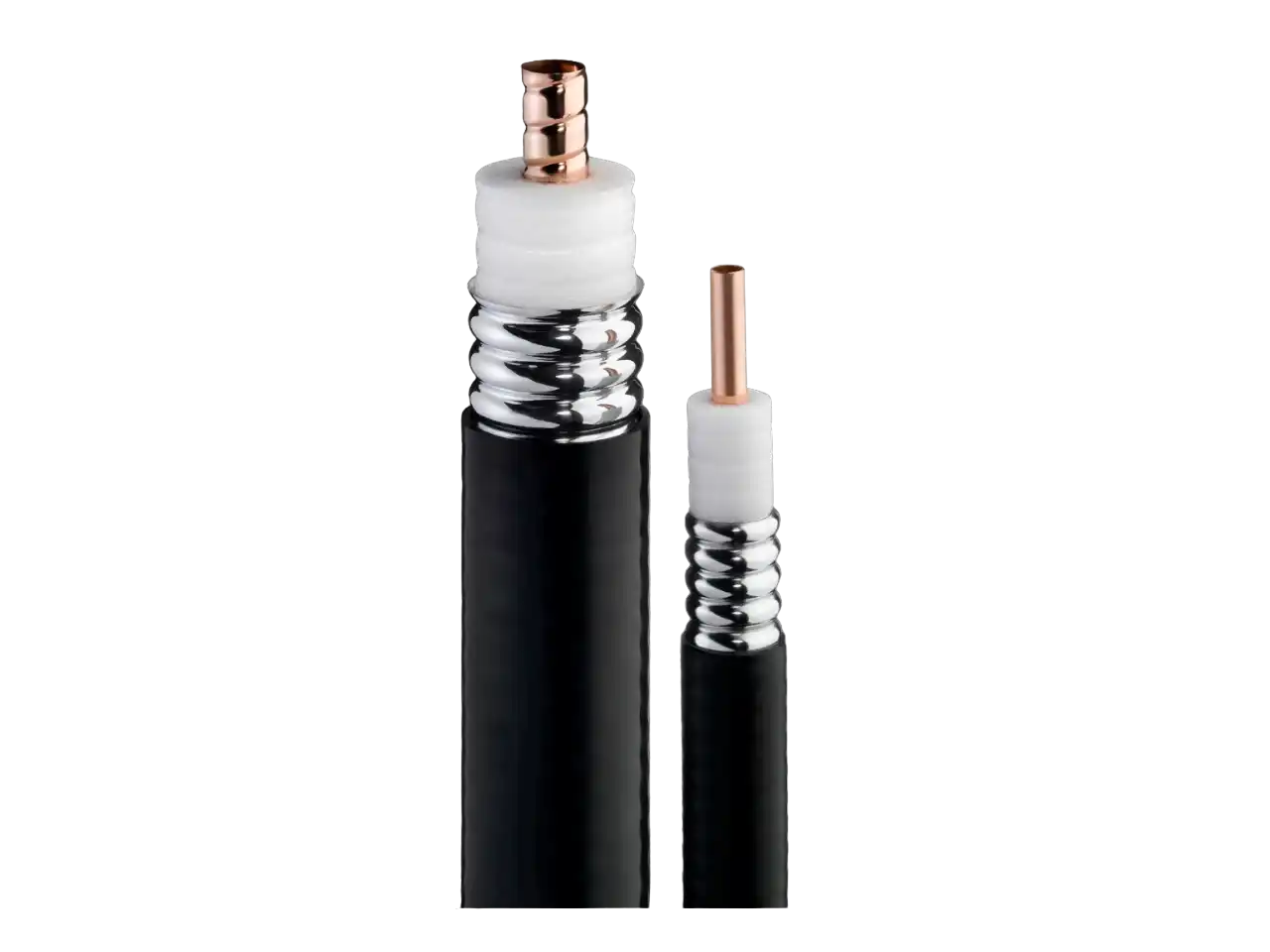
CELLFLEX Lite uses an aluminum outer conductor to reduce cable weight while keeping the same broader feeder-cable role within RF infrastructure. It is intended for applications where low-loss transmission still matters, but installation handling, tower loading, or overall project economics make a lighter feeder path more attractive. This makes it a practical alternative where the standard copper version may be more than the site actually requires.
The main value of the Lite variant is the trade-off between electrical performance and mechanical / cost efficiency. It remains a true feeder-cable solution rather than a jumper product, but its lighter construction can make transport, handling, and installation more practical in some projects. In real deployment terms, it fits sites where the feeder path still needs to perform as infrastructure-grade cabling, but reduced weight or more cost-conscious specification plays a stronger role in the decision.
Core cable construction and design logic
This section outlines the main construction elements behind CELLFLEX feeder cables and explains how the cable architecture supports RF transmission performance, shielding, durability, and practical outdoor installation across demanding infrastructure sites.
Corrugated outer conductor
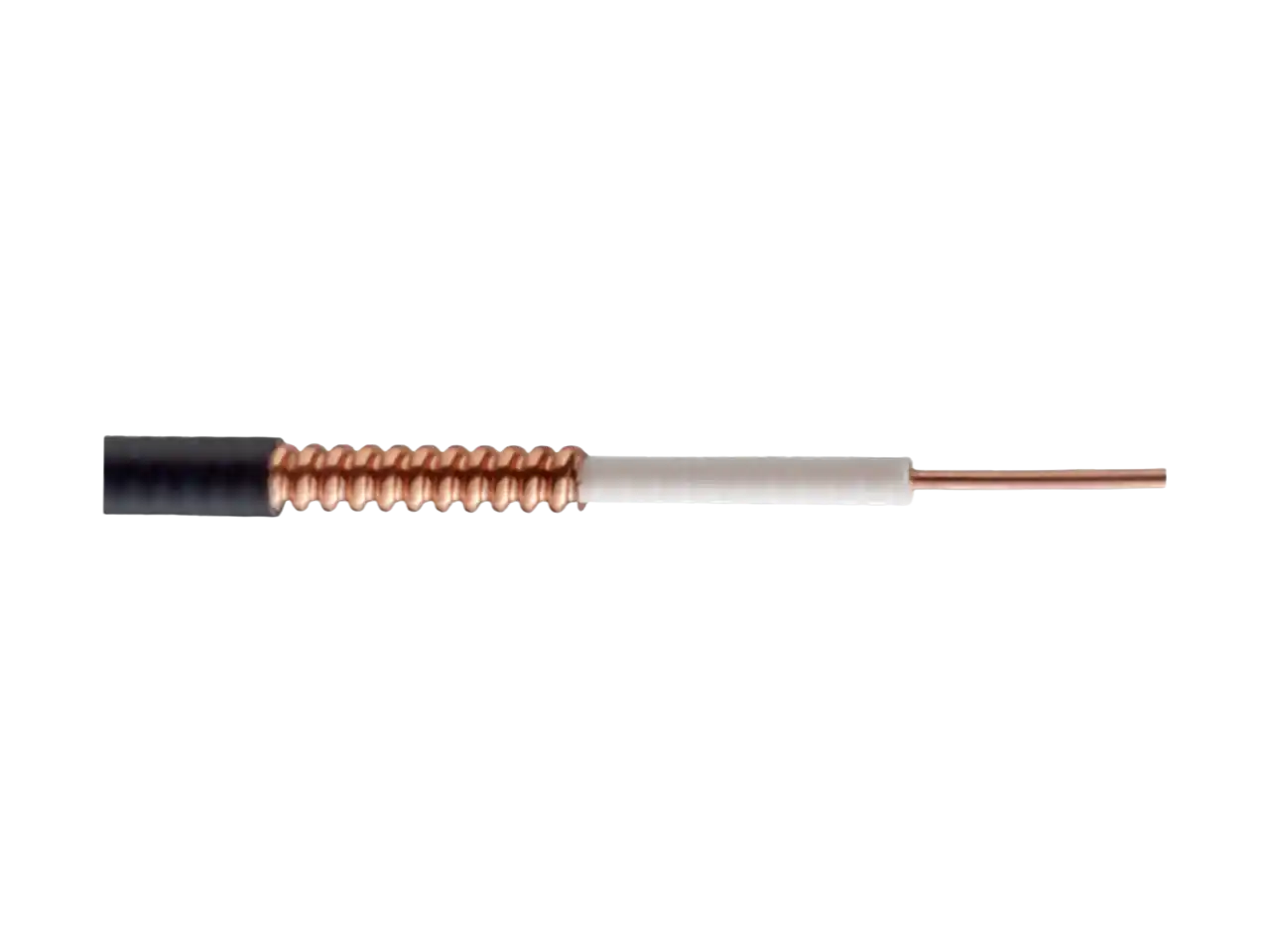
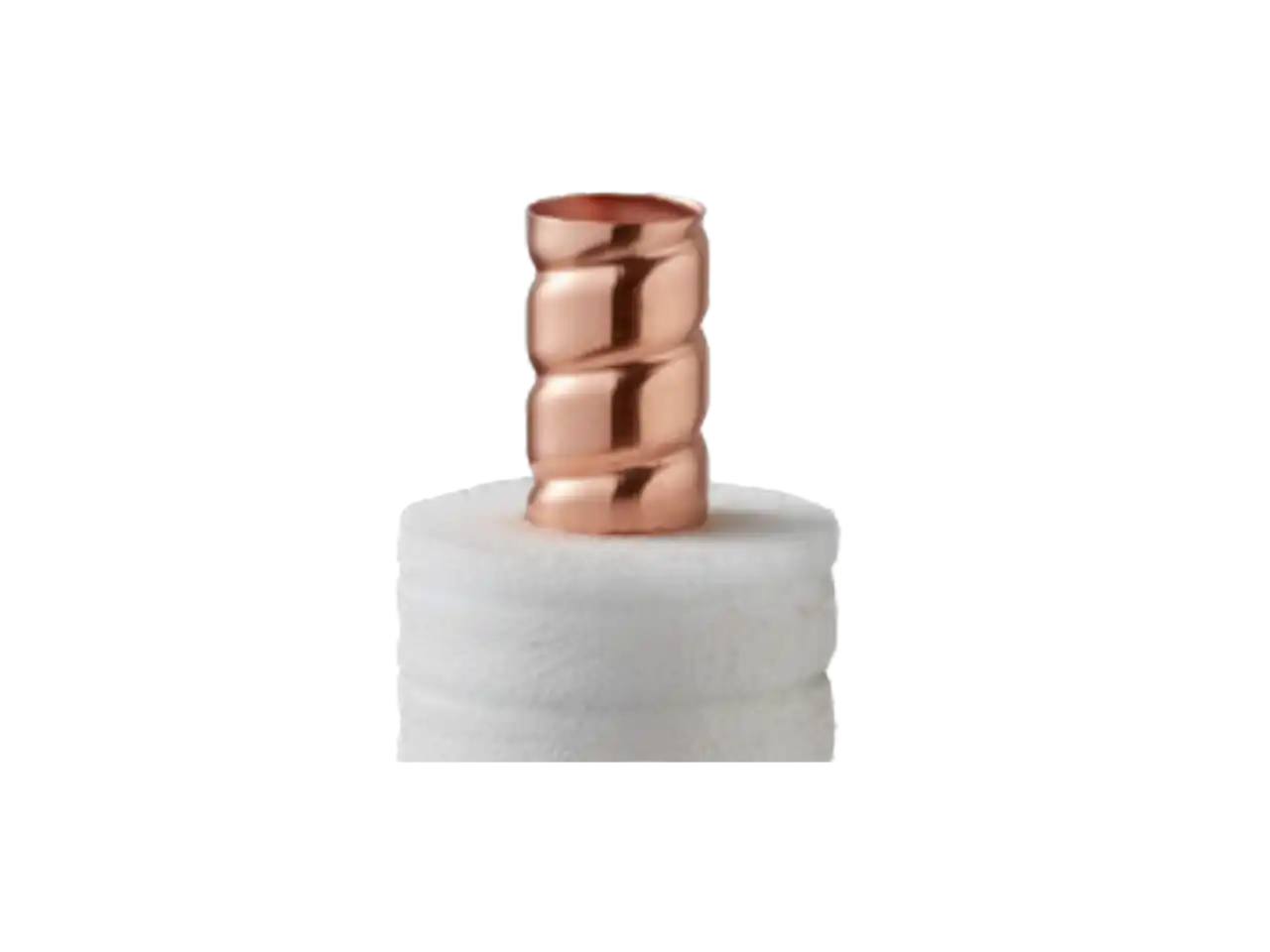
The corrugated outer conductor is one of the defining elements of CELLFLEX cable design. It provides the mechanical structure and shielding layer around the transmission path while also helping the cable stay flexible enough for practical installation. In RF infrastructure terms, this construction supports the balance between low-loss performance, physical robustness, and manageable handling that feeder cables need in real outdoor deployments.
Its importance is not only structural but also practical. The corrugated form helps the cable combine strength with bendability, which matters when feeder runs must pass through supports, brackets, rooftop routes, or tower-mounted installation paths. This makes it a key part of why feeder cable is suitable for permanent infrastructure use rather than only short interconnection tasks.
Inner conductor and dielectric structure
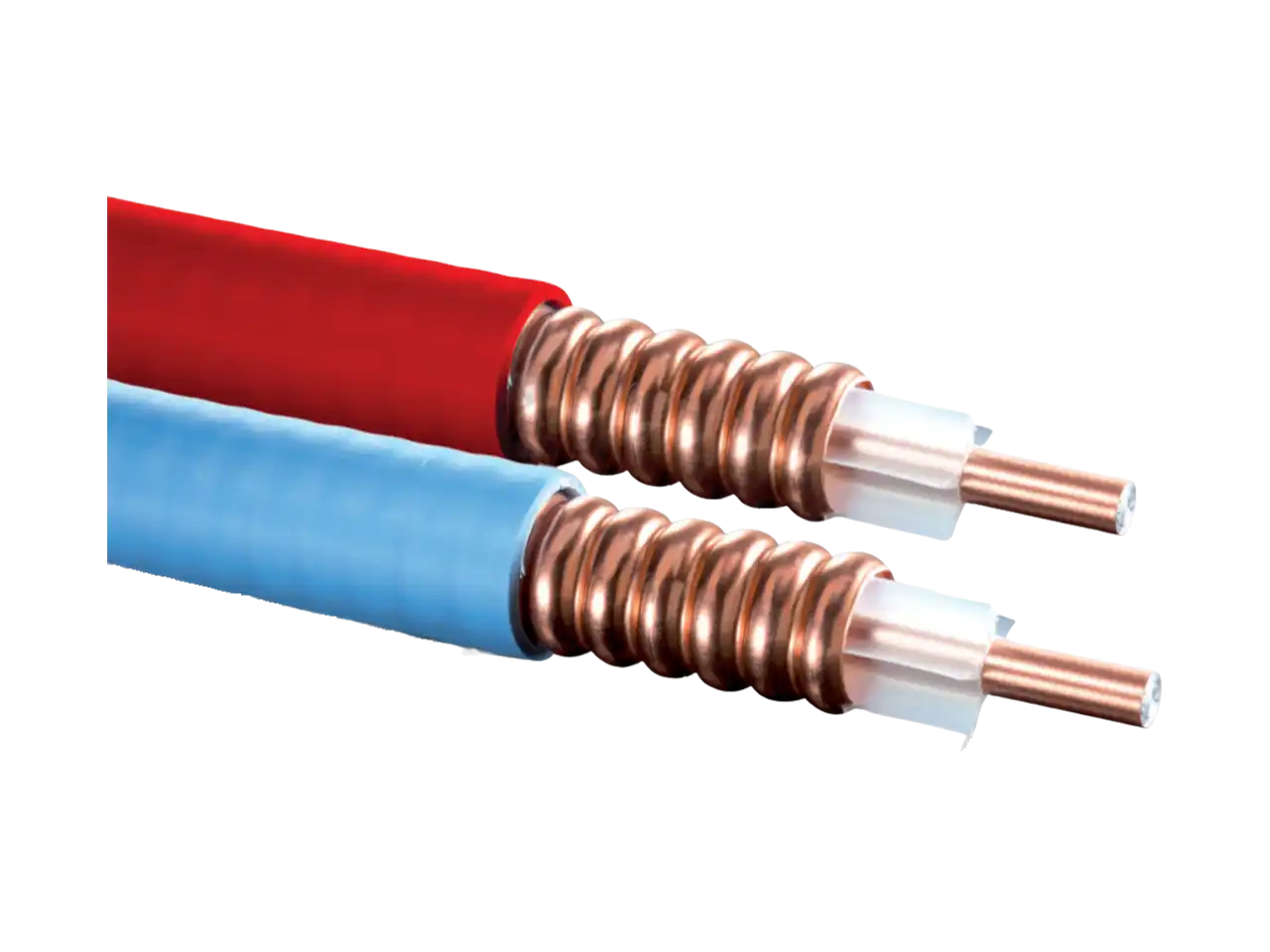
The inner conductor and dielectric structure form the electrical core of the feeder cable. Together they define the transmission path, impedance stability, and signal-handling behavior across the RF run. In practical terms, this part of the cable architecture is central to how CELLFLEX delivers controlled attenuation, predictable electrical performance, and consistent operation over longer outdoor feeder distances.
This part of the design matters because feeder cables are expected to behave as stable infrastructure, not just as short connection leads. The relationship between conductor geometry and dielectric support helps maintain the cable’s electrical characteristics across the installed run, which is important in mobile, broadcast, and other RF sites where predictable long-term transmission performance is required.
Jacket and environmental protection
The outer jacket provides the environmental protection layer that helps feeder cable survive long-term outdoor installation. It protects the cable structure from weather, UV exposure, and site-related mechanical stress while supporting safe routing and handling during installation. In building and infrastructure projects, jacket selection can also matter from a fire-performance and regulatory perspective, not only from a durability standpoint.
Its role is practical as much as protective. Outdoor feeder runs are rarely installed in ideal conditions, so the jacket helps preserve long-term reliability under real mechanical and environmental exposure. Where cables are permanently installed in construction works, CPR-related fire classification may also become part of the specification logic, which makes cable-jacket choice relevant for both deployment environment and compliance requirements.
Connectors and installation accessories
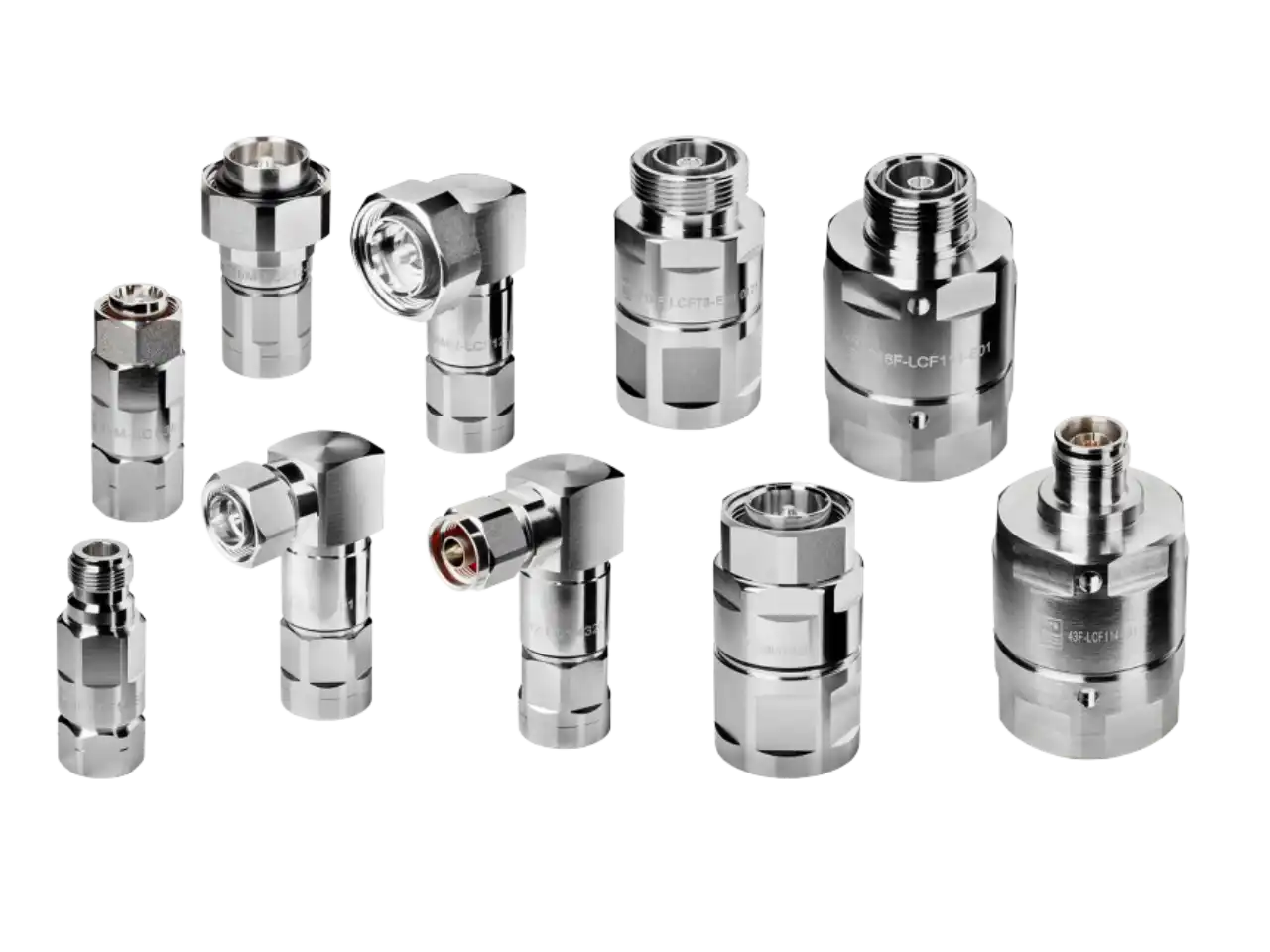
Connectors and installation accessories complete the feeder path between cable, equipment, and antenna interfaces. Their role is not secondary: the overall transmission line depends on correct termination, mechanical fit, weather sealing, and reliable long-term connection quality. In practice, this makes connector choice and installation hardware an important part of feeder-system performance, not just an add-on to the cable itself.
This matters because even a well-selected feeder cable can underperform if the termination and installation details are handled poorly. Connector compatibility, sealing quality, grounding, support hardware, and routing accessories all influence long-term reliability and practical field execution. For that reason, feeder systems should be viewed as an installed transmission path rather than only as cable length plus connectors.
Need help choosing the right RF feeder cable?
CELLFLEX covers multiple feeder sizes, material variants, connector paths, and installation requirements. Astrec can help identify the right cable approach for mobile, broadcast, rooftop, tower, and other RF infrastructure projects.