
Fiber Optic Network Equipment for Construction and Maintenance
Fiber optic network equipment for reliable, traceable work on the physical fiber layer — from fusion splicing and connector cleaning to inspection, field testing and passive network installation. Built around proven Fujikura, AFL and VIAVI Solutions tools for contractors, operators and service teams who need repeatable field results, documented quality and predictable resource planning.
Telecom Fusion Splicing Equipment
Professional telecom splicing work is no longer only about making an acceptable splice. Modern field teams need predictable splice quality, shorter handling time, fewer repeat visits and clear evidence of completed work. Fujikura’s strength is the full workflow around the splice — alignment, preparation, automation, reporting, service parts and field ergonomics working together.
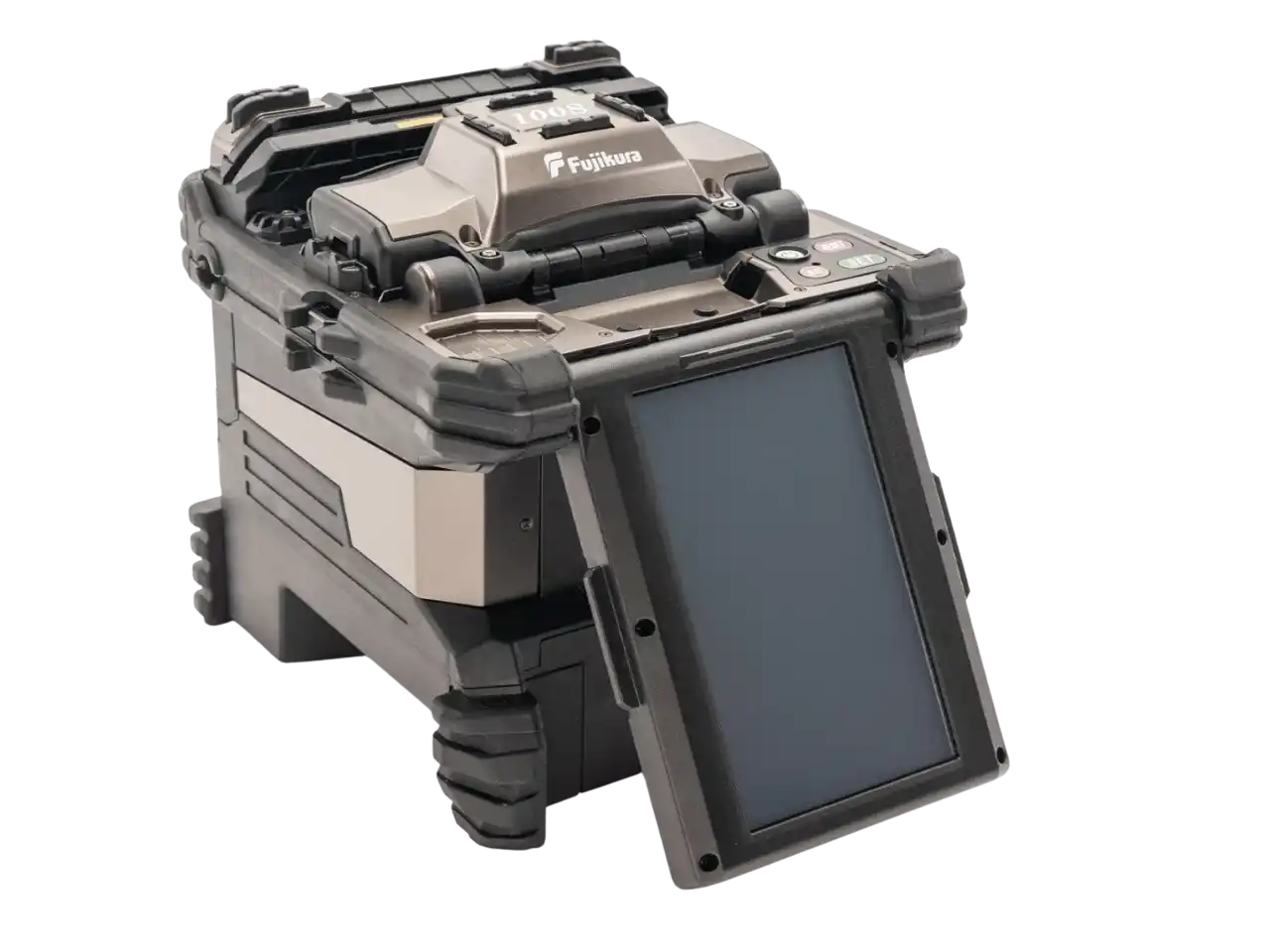
Fujikura Core Alignment Splicers
High-precision core alignment splicers for demanding telecom work where low splice loss, repeatability and documented quality are critical. The Fujikura 100S combines core alignment accuracy with automated workflow features that reduce manual input, speed up routine splicing and help field teams maintain consistent results across backbone, access, FTTA and critical fiber links.
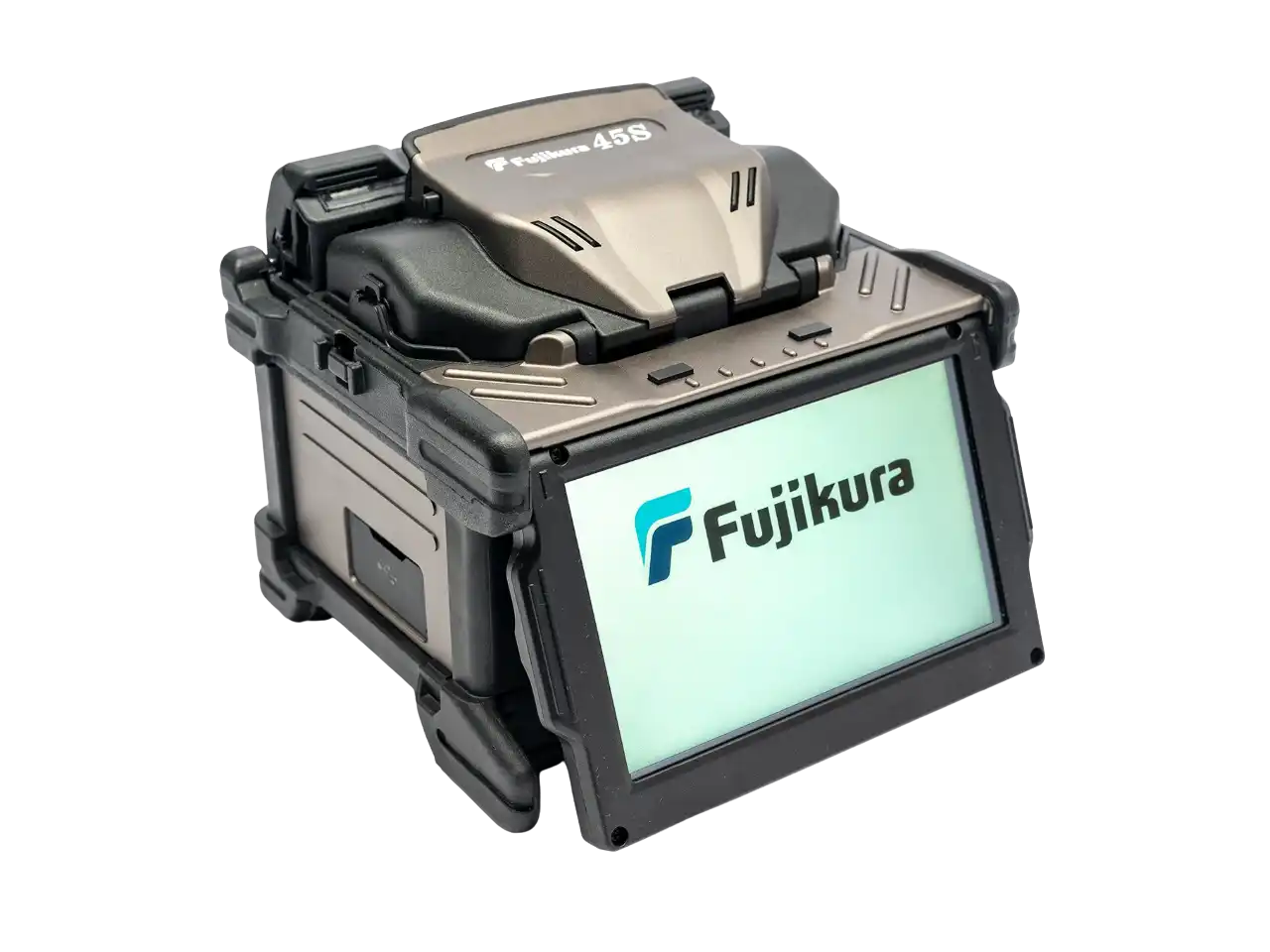
Fujikura Clad Alignment Splicers
Compact clad alignment splicers for everyday telecom installation and repair work where portability, speed and reliable splice quality must stay in balance. The Fujikura 45S is small, light and field-oriented, with practical automation and handling features that help contractors work faster without stepping down to low-end tool performance.
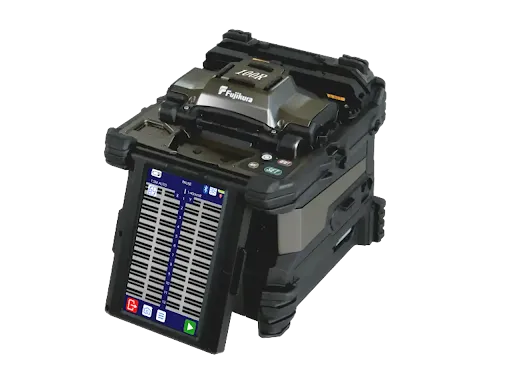
Fujikura Mass Fusion Splicers for Ribbon Cables
Ribbon and mass fusion splicers for high-fiber-count cable work, FTTH rollouts, data center links and repeated multi-fiber splicing tasks. The Fujikura 100R supports 12- and 16-fiber ribbon workflows and uses a user-replaceable V-groove assembly to reduce downtime, protect productivity and keep large projects moving with fewer workflow interruptions.
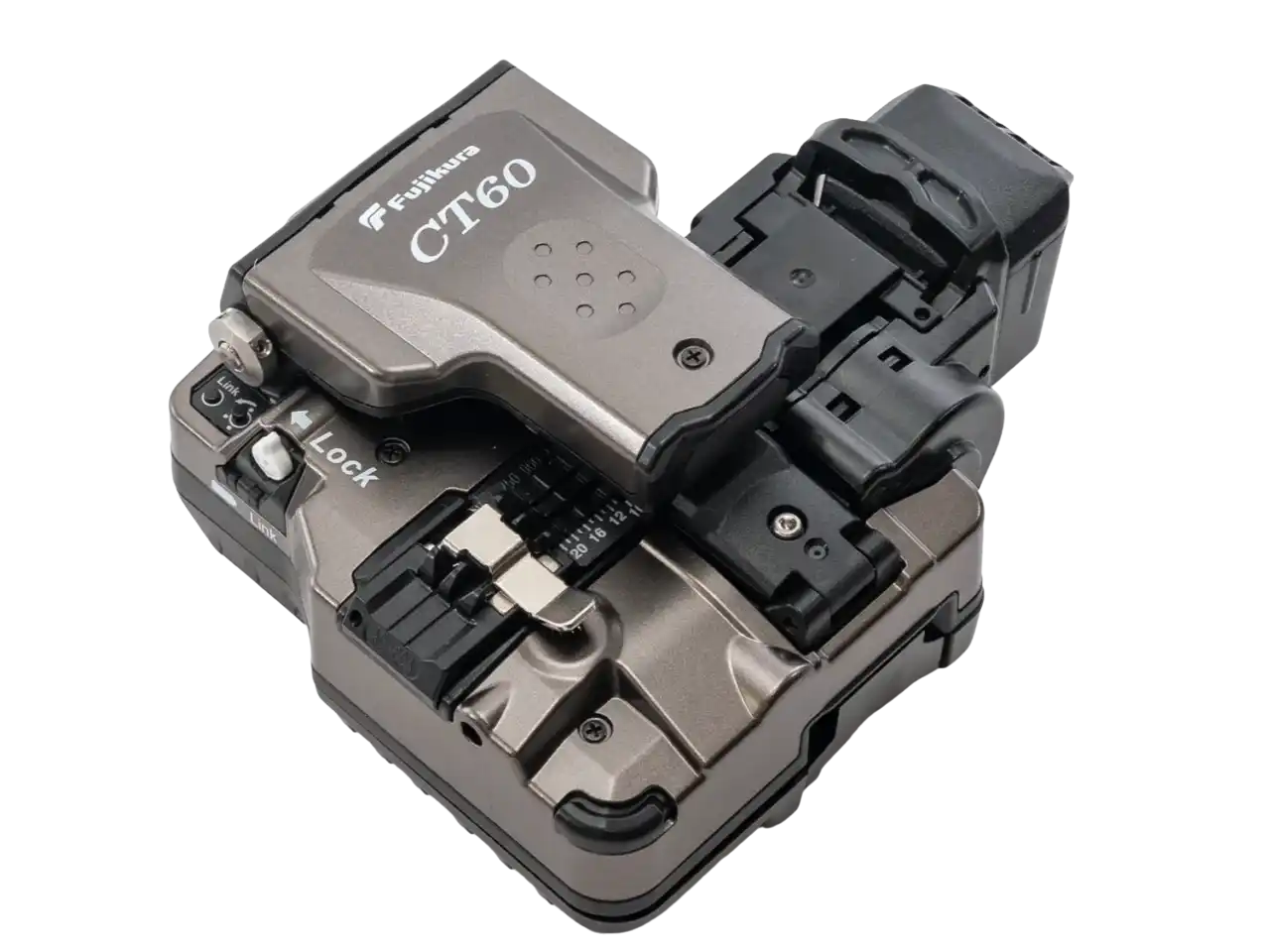
Fujikura Fiber Cleavers and Strippers
Fiber preparation tools for faster, cleaner and more repeatable splice preparation. Fujikura CT16 and CT60 cleavers, together with RS03 stripping tools, support controlled cleave quality, efficient coating removal and reduced rework. CT60 adds automatic blade rotation and wireless blade management with compatible splicers, while RS03 enables efficient stripping of single fibers and up to 16-fiber ribbons.
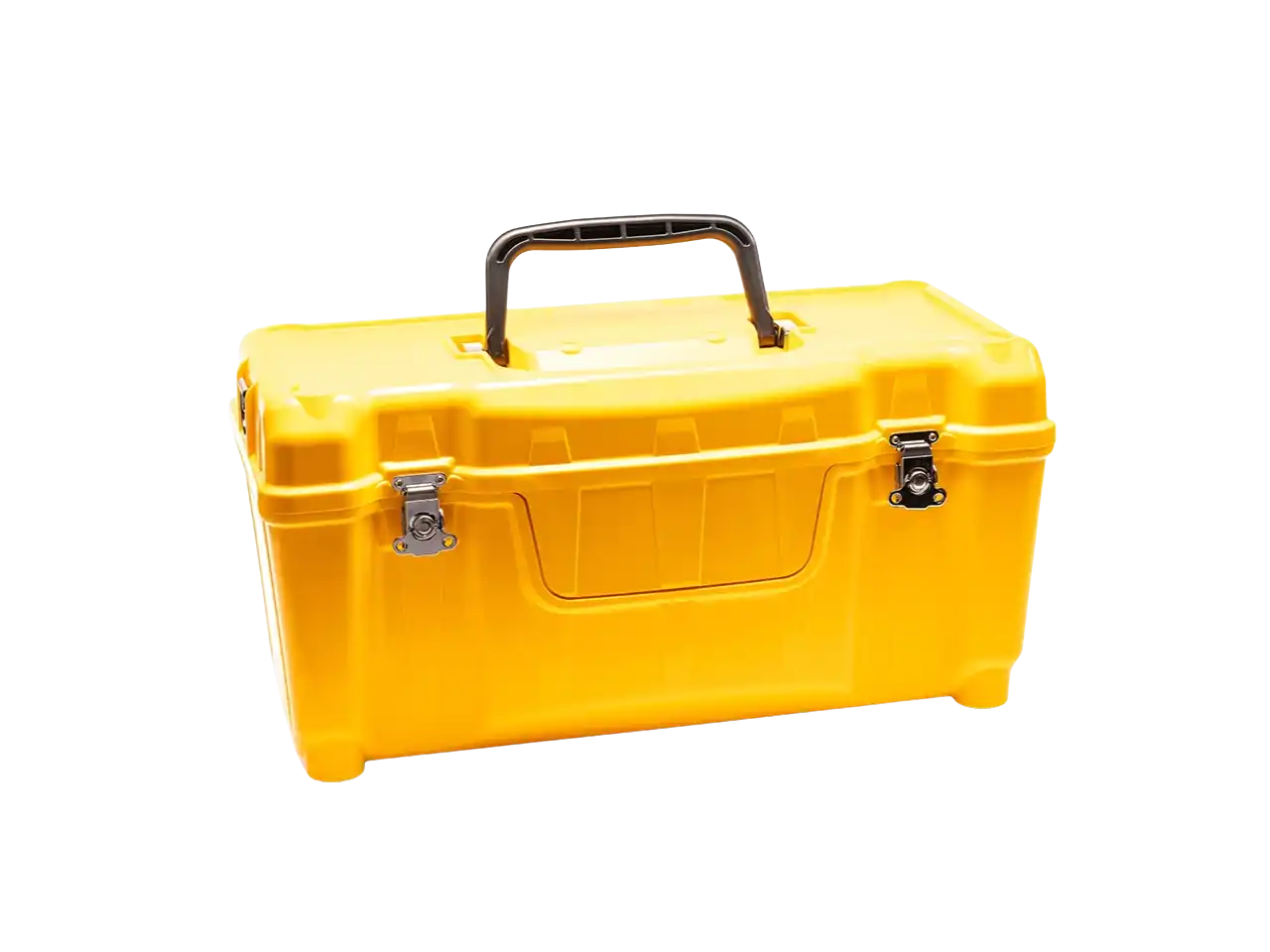
Fujikura Fusion Splicing Workflow Accessories
Workflow accessories and service parts for keeping Fujikura splicing equipment productive, serviceable and practical in field use. This includes tripods, spare carrying cases, J-plates, fiber holders, batteries, chargers, cleaver blades, splicer electrodes and spare parts for supported models. The value is not only replacement availability, but reduced downtime and better control over fleet maintenance.
Fiber Cleaning & Preparation Solutions
Contaminated connectors remain one of the most common causes of optical link problems, failed inspections and unnecessary troubleshooting time. A practical cleaning setup needs more than one tool type: dry push cleaners for fast connector cleaning, reel or cassette cleaners for controlled end-face cleaning, and wet consumables for contamination that cannot be removed reliably with dry methods alone.
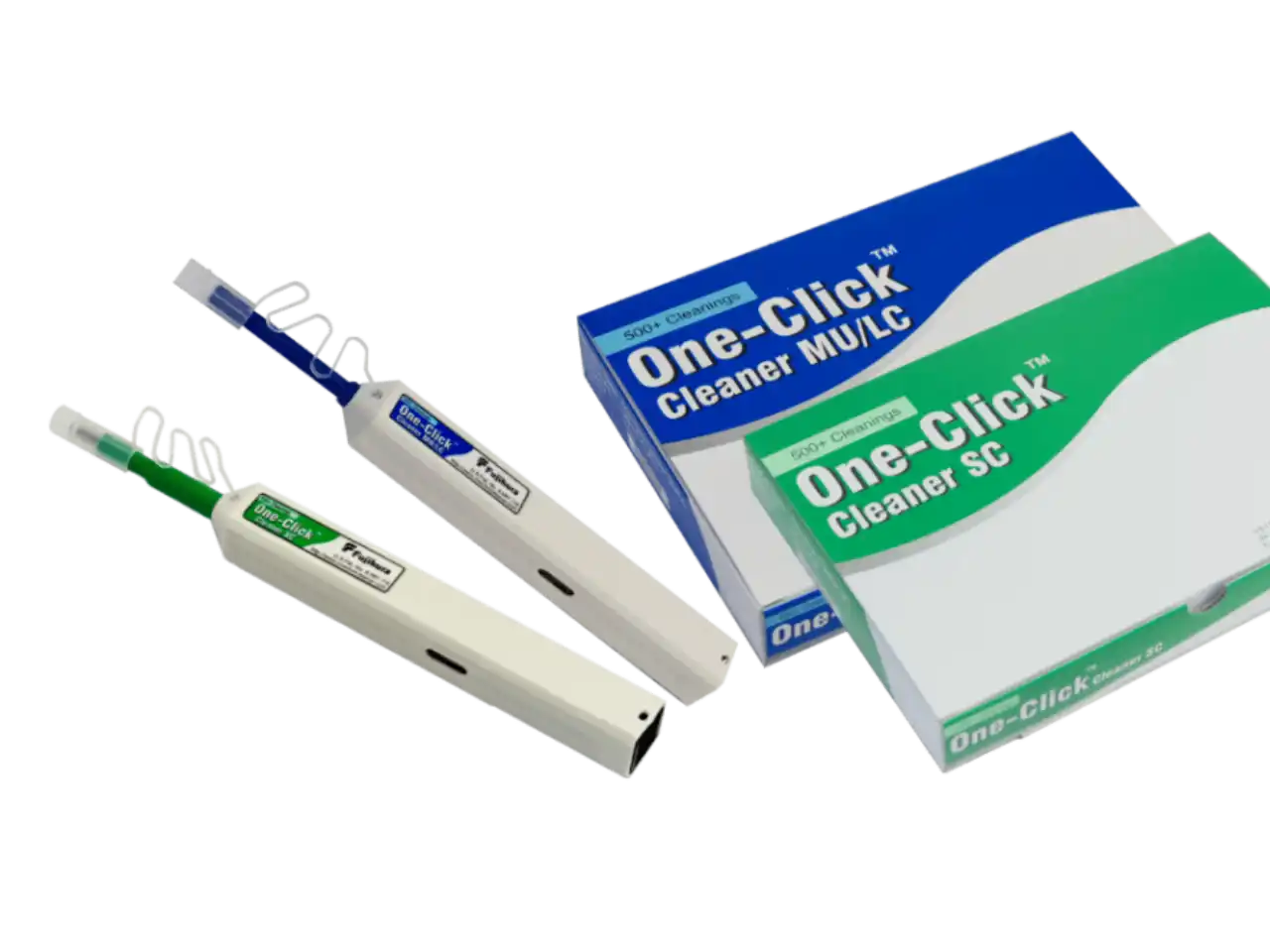
Push-Type Cleaners for Fiber Optic Connections
Push-type fiber cleaners are fast dry-cleaning tools for routine connector and adapter work in the field. Fujikura One-Click™ Cleaners and NTT-AT NEOCLEAN cleaners are suited for LC, SC, FC, MPO and other common interfaces where technicians need quick, repeatable cleaning without opening a cassette cleaner or preparing wet consumables.
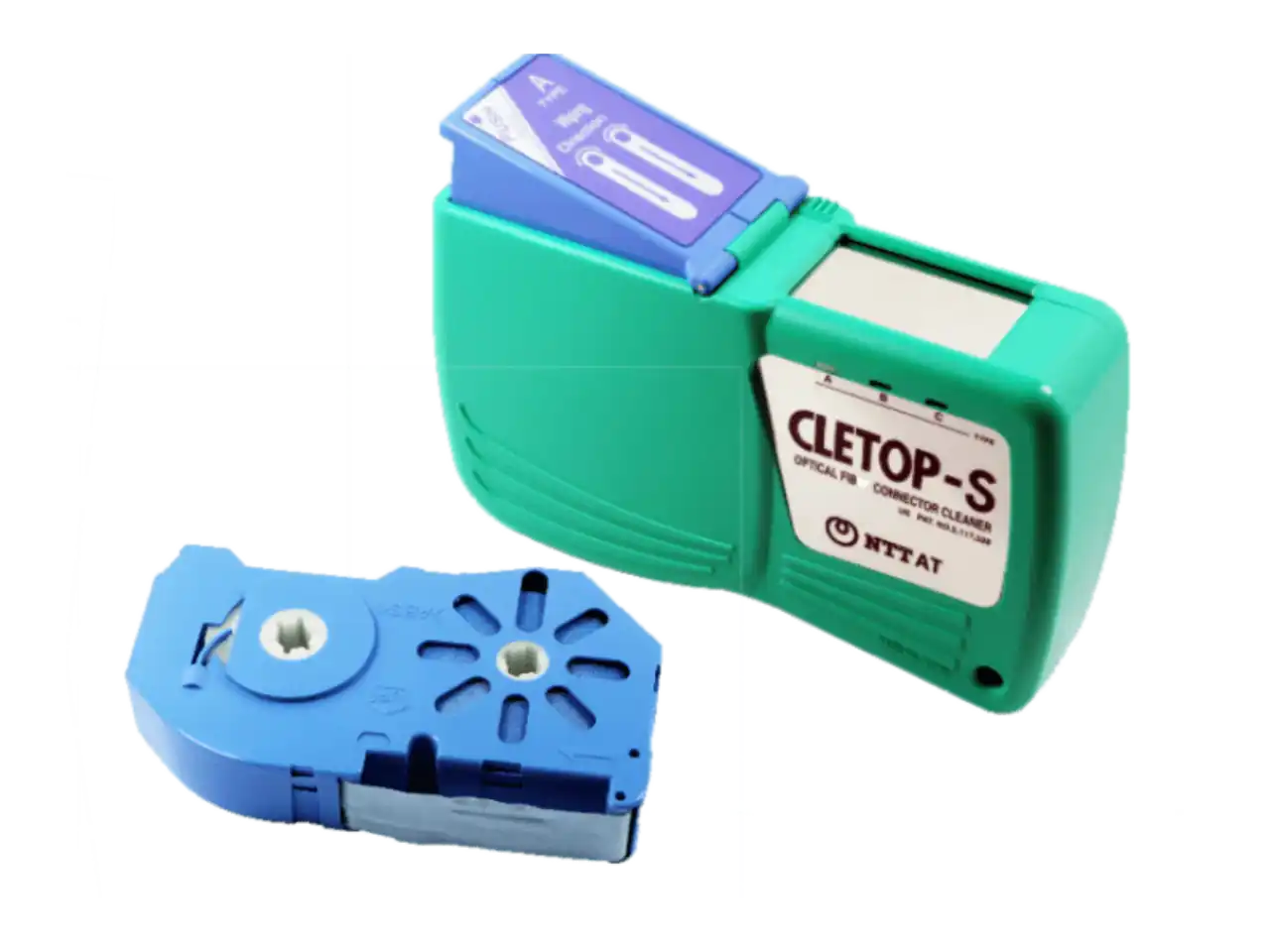
Reel and Cassette Fiber Cleaners
Reel and cassette cleaners provide a controlled dry-cleaning surface for connector end-faces before inspection, testing or connection. NTT-AT CLETOP and OPTIPOP cleaners are widely used for repeatable connector cleaning, with different versions for standard single-fiber connectors, MPO/MTP, MT-RJ and other interface types.
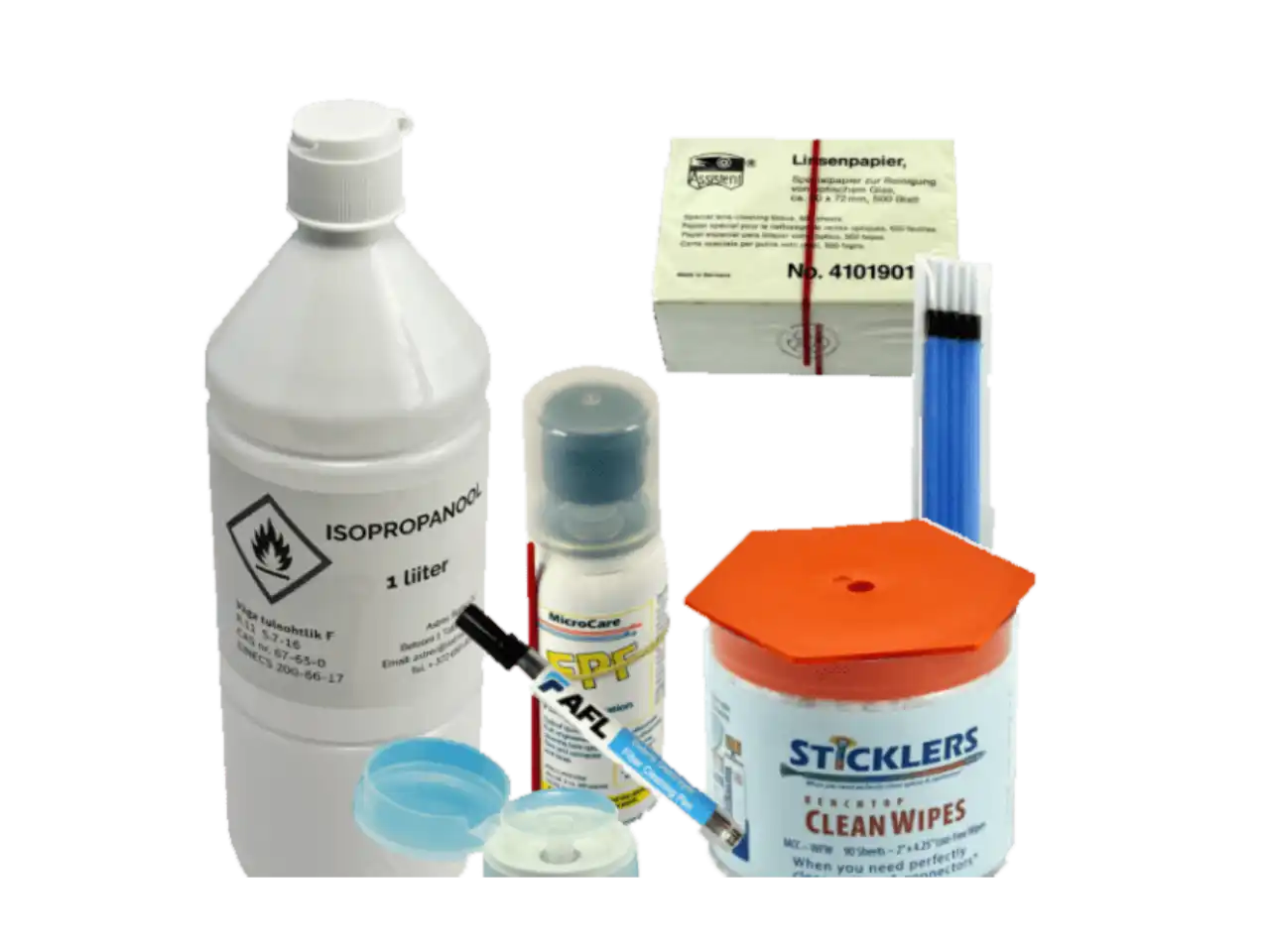
Cleaning Fluids, Wipes and Consumables
Cleaning fluids, wipes, lens papers, alcohol dispensers and specialist cleaning pens help deal with contamination that dry tools cannot always remove. Products such as CleanWipes, Debris Destroyer pens, fiber preparation fluid and isopropanol provide stronger contamination removal for different fiber applications, connector conditions and work environments.
Essential Field Testing
Essential field testing is a core part of professional fiber optic network equipment workflows, turning installation and maintenance work into documented, repeatable evidence. Handheld OTDRs, inspection microscopes, visual fault locators, live fiber identifiers, power meters and light sources help technicians verify link condition, connector quality, signal presence and optical loss directly on site.
Modern VIAVI and AFL fiber optic network equipment supports automated analysis, saved results and reporting workflows for handover, troubleshooting and quality control. Relevant standards include IEC 61300-3-35 for connector end-face inspection, IEC 61280-4-1 / IEC 61280-4-2 for installed fiber attenuation measurements, and ISO/IEC 14763-3 for inspection and testing of installed optical fiber cabling.
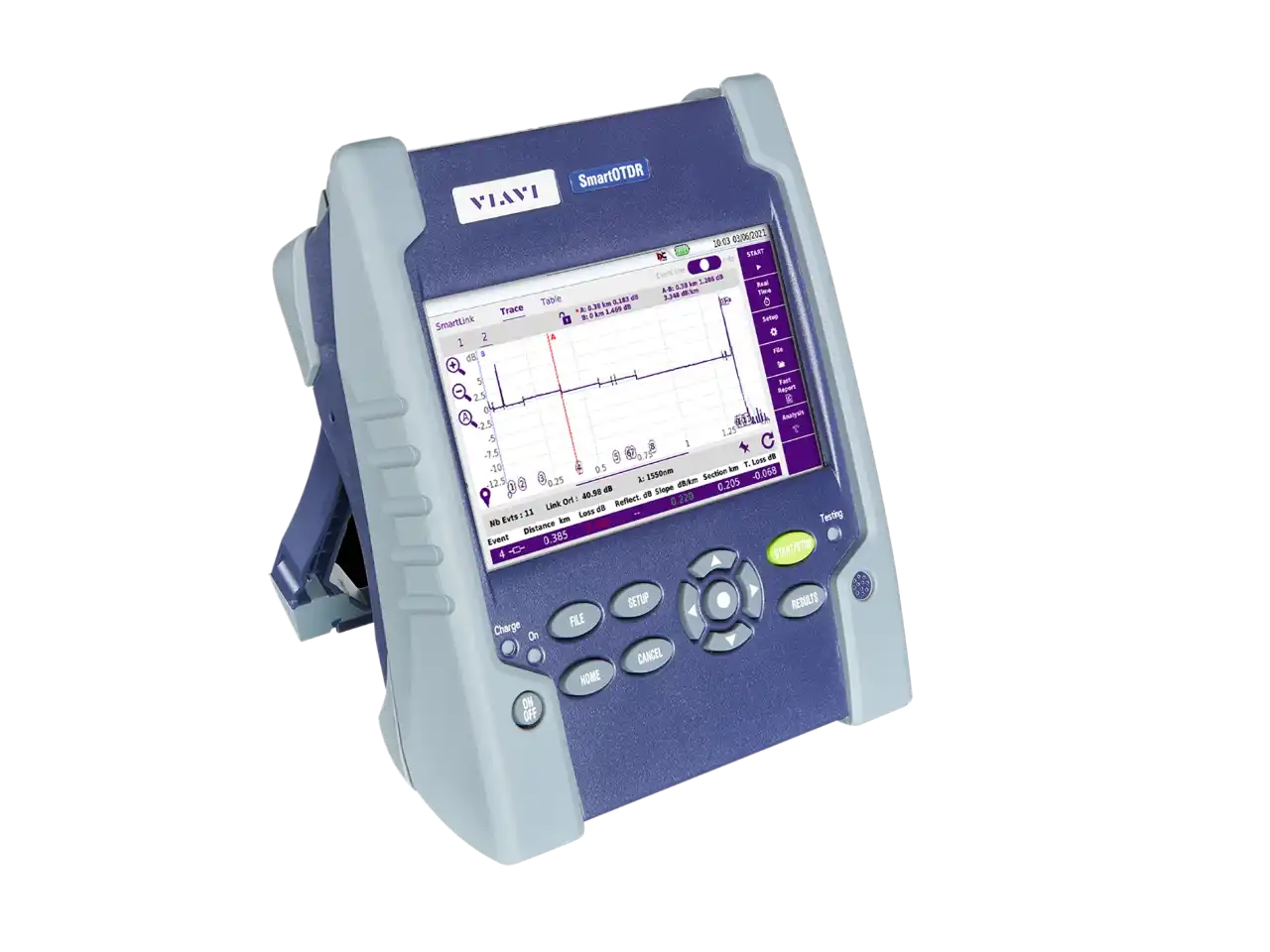
Handheld OTDRs
Handheld OTDRs help technicians locate faults, measure link length, verify splice points and document fiber routes directly in the field. VIAVI SmartOTDR brings OTDR testing into a portable format with guided operation, automated event analysis and reportable results for installation, troubleshooting and maintenance work.
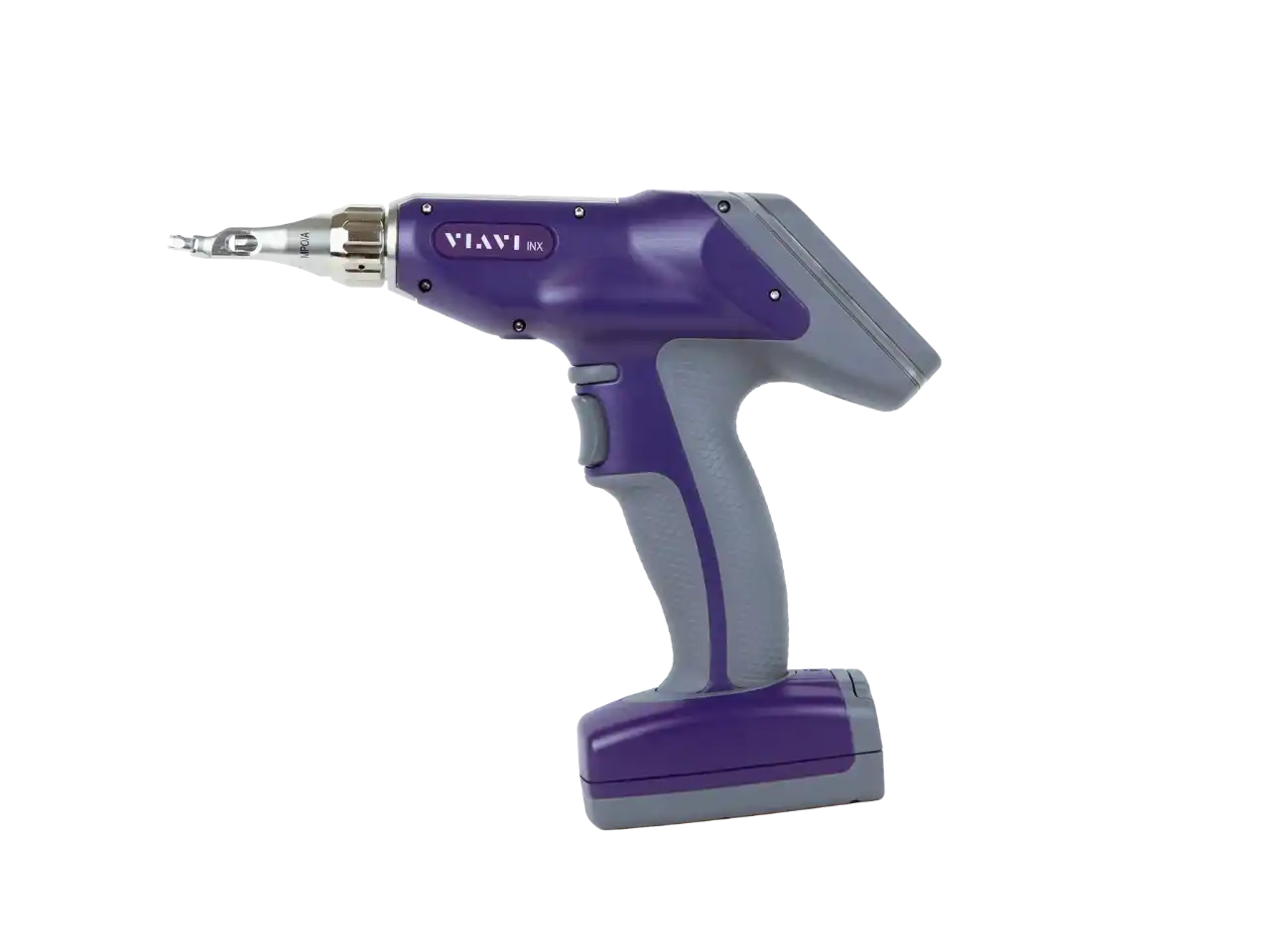
Fiber Inspection Microscopes
Fiber inspection microscopes help verify connector end-face condition before mating, testing or troubleshooting. VIAVI inspection tools support automated pass/fail analysis against IEC 61300-3-35 inspection logic, helping technicians document connector cleanliness and surface condition.
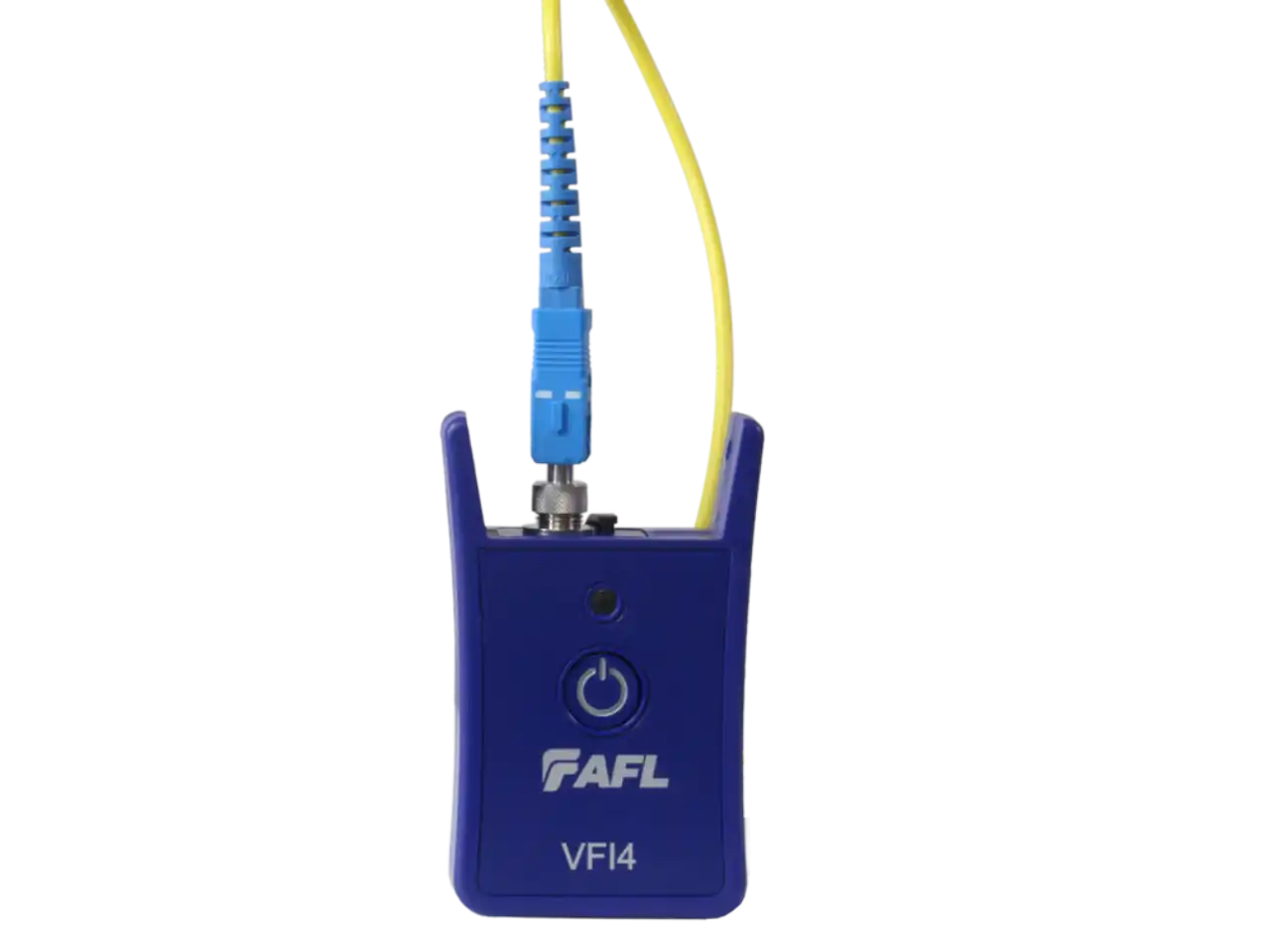
Visual Fault Locators
Visual fault locators help identify breaks, bends, bad splices and continuity problems over short fiber runs. VIAVI and AFL tools are typically available in the 1–30 mW output power range, including rugged versions for intensive daily field use. Best practice is to use a VFL before moving on to deeper OTDR or optical loss testing.
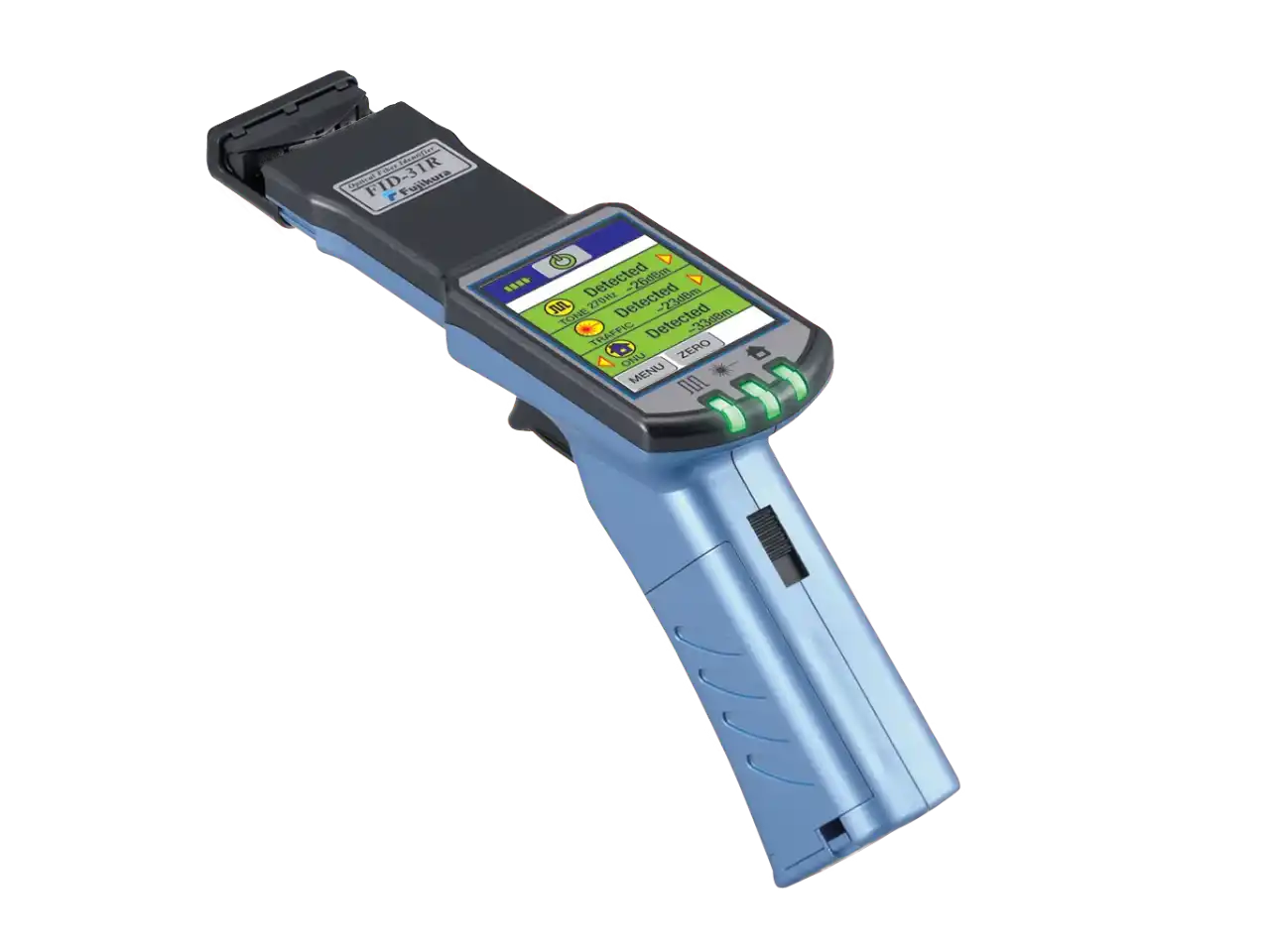
Live Fiber Identifiers
Live fiber identifiers help detect active traffic without disconnecting the fiber, reducing service interruption risk during maintenance or troubleshooting. Fujikura FID-30R can also indicate traffic direction, helping technicians confirm fiber status before cutting or rerouting.
Optical Power Meters
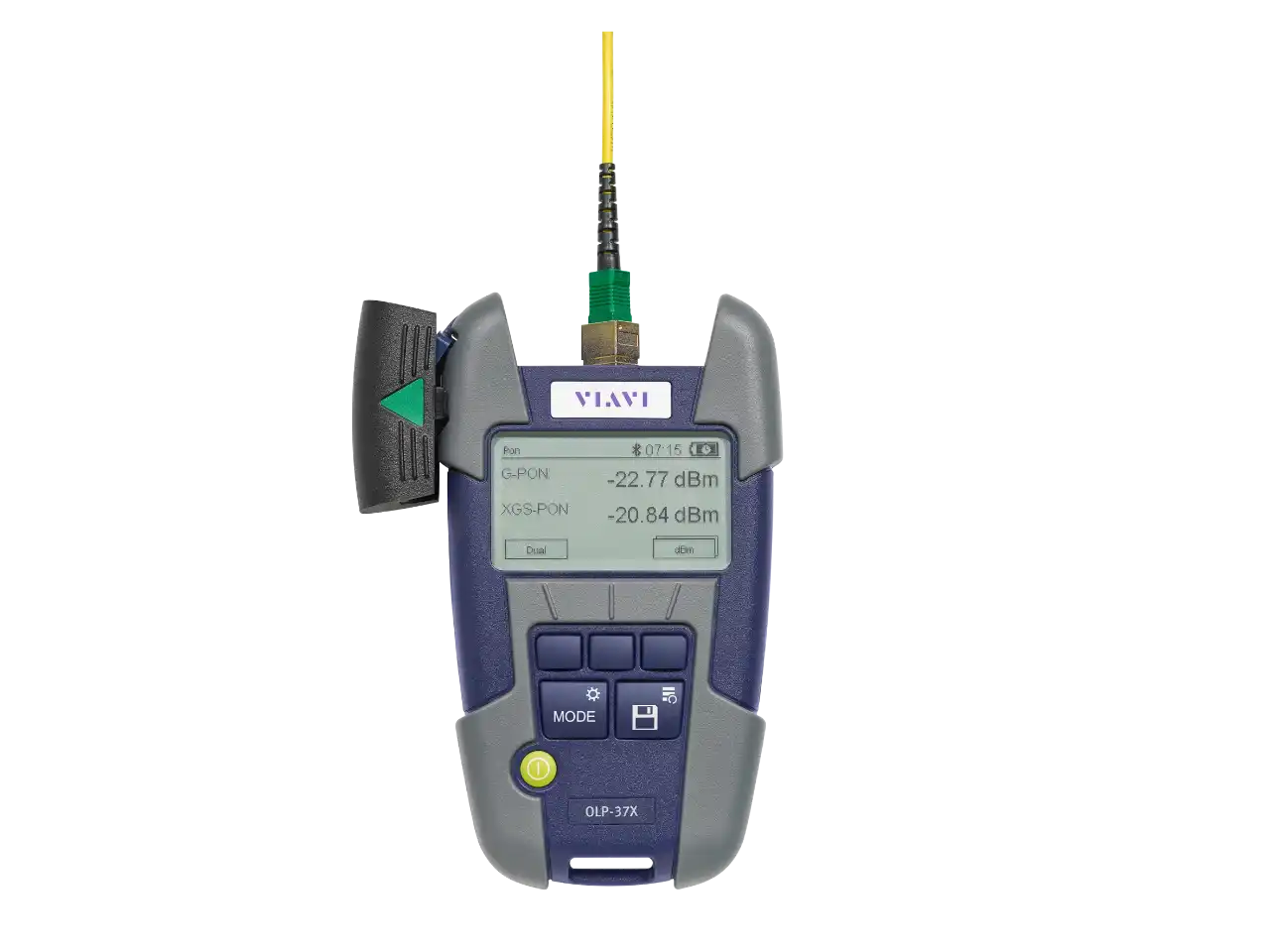
Optical power meters check received power, transmitter output and optical loss together with a calibrated light source. VIAVI and AFL ranges include standard power meters and PON power meters, often used in optical loss test sets for acceptance testing and troubleshooting.
Optical Light Sources
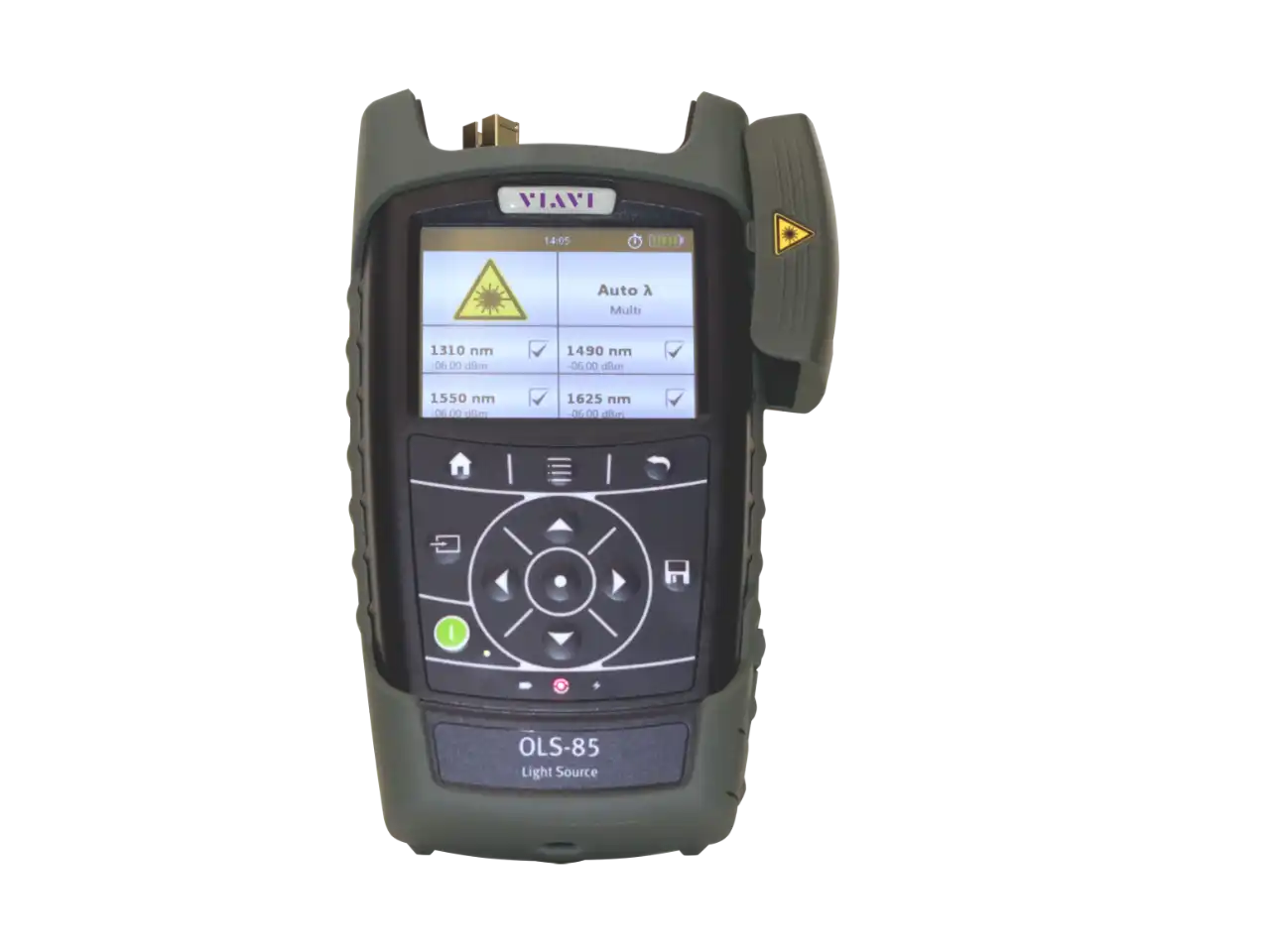
Optical light sources provide stable test signals for insertion loss testing together with power meters. AFL and VIAVI ranges include laser sources for SM fiber and LED sources for MM fiber, supporting acceptance testing, troubleshooting and maintenance workflows.
Fiber Optic Network Components and Cabling
Physical fiber networks depend on components that must fit the installation exactly: connector type, fiber type, polish, cable construction, length, labeling, packaging and documentation all affect installation speed, optical performance and long-term maintainability.
Custom-made and premium fiber optic components give contractors and operators better control than anonymous low-cost cable assemblies. They reduce mismatch risk, improve traceability and support cleaner handover for telecom, FTTA, FTTH, industrial and temporary field networks.
Custom Patchcords and Pigtails
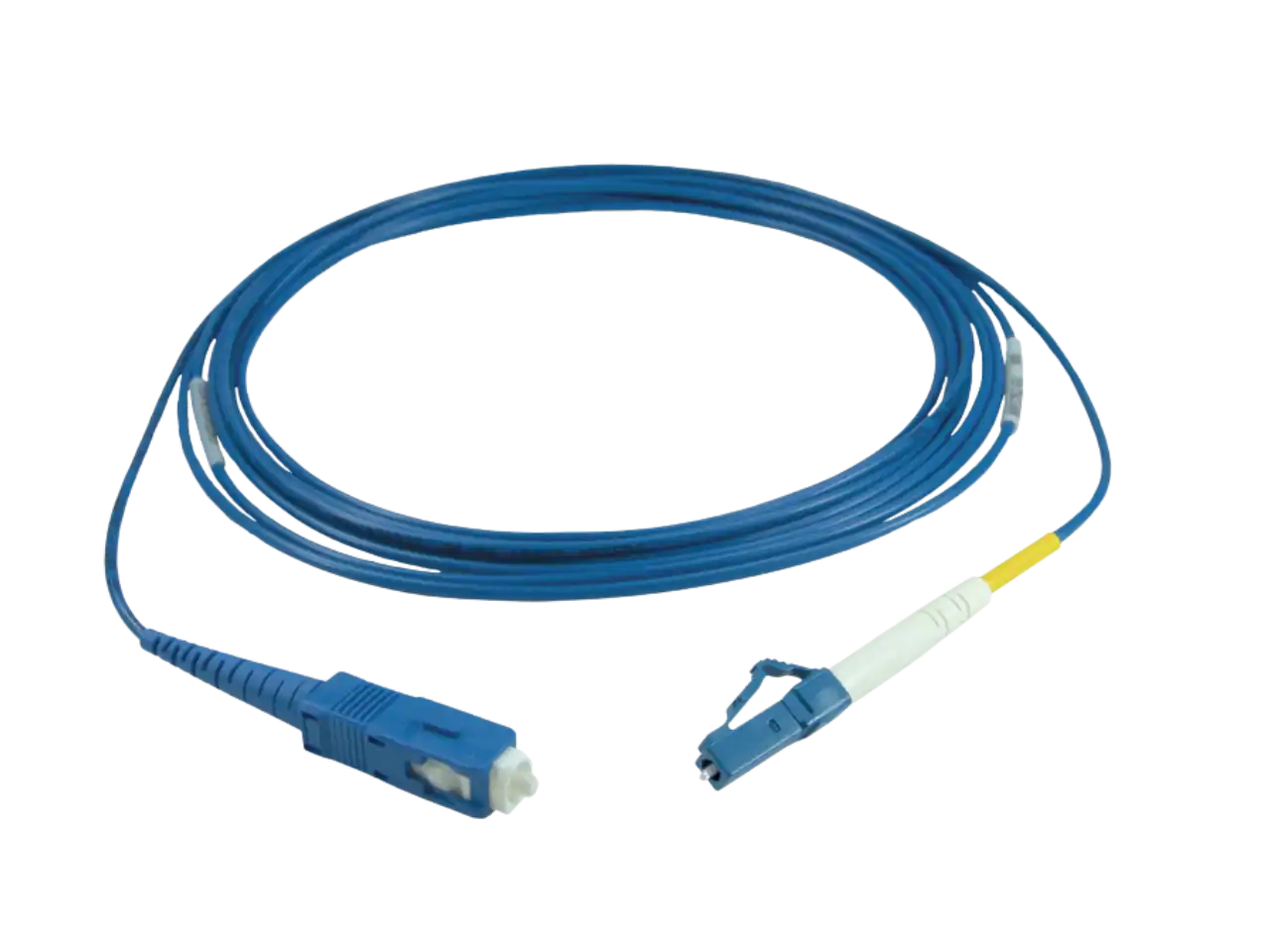
Custom patchcords and pigtails supplied by our manufacturing partners for telecom racks, ODFs, cabinets and field installations. Available with project-defined fiber type, connector type, polish, length, jacket, color coding and labelling for cleaner installation, easier maintenance and better traceability.
Breakout and Fanout Cables
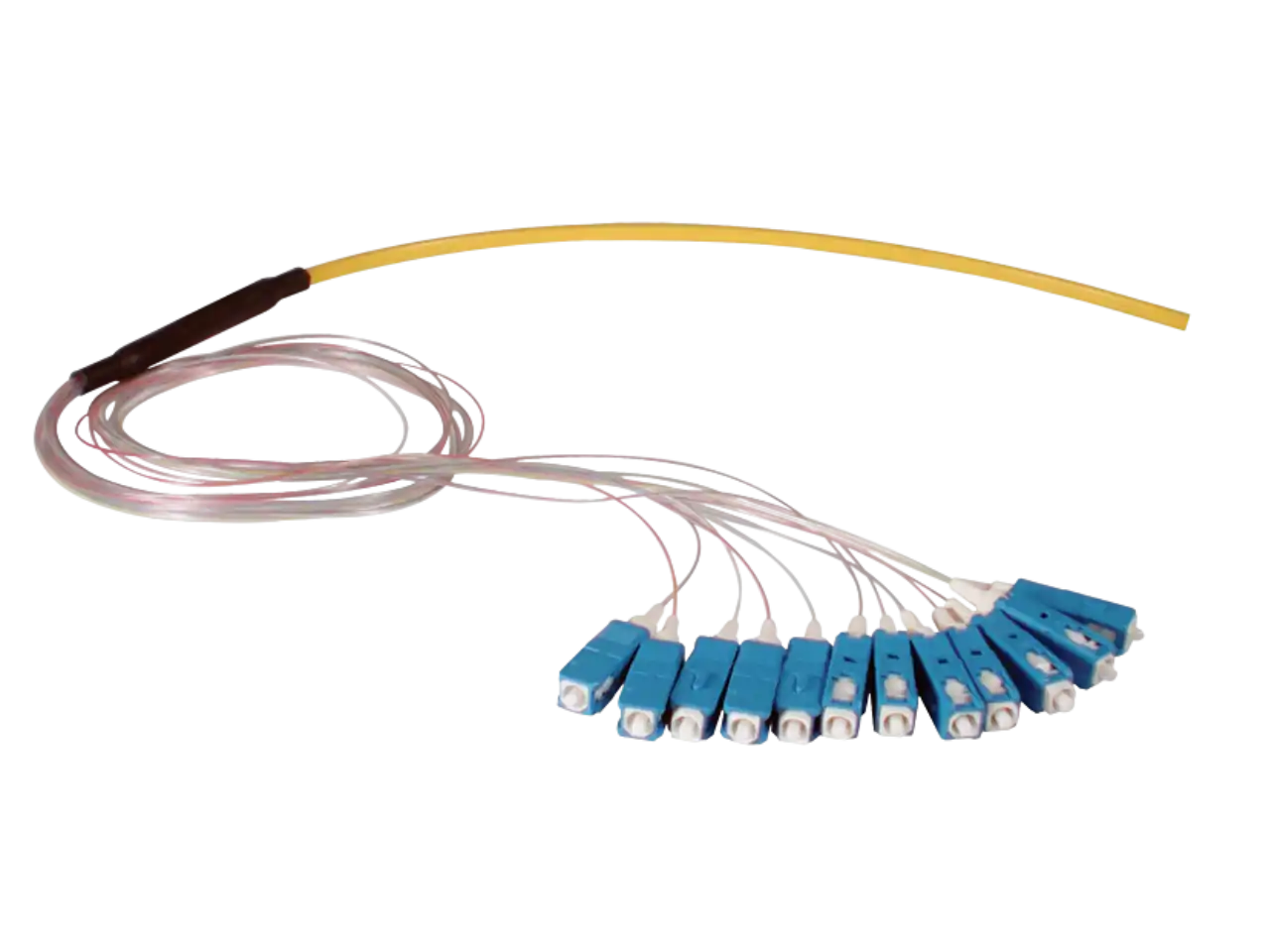
Breakout and fanout cable assemblies distribute several fibers from one cable into separately protected connector legs. They can be specified by fiber count, breakout length, strain relief, connector layout, labeling and installation environment for racks, cabinets, equipment rooms and field systems.
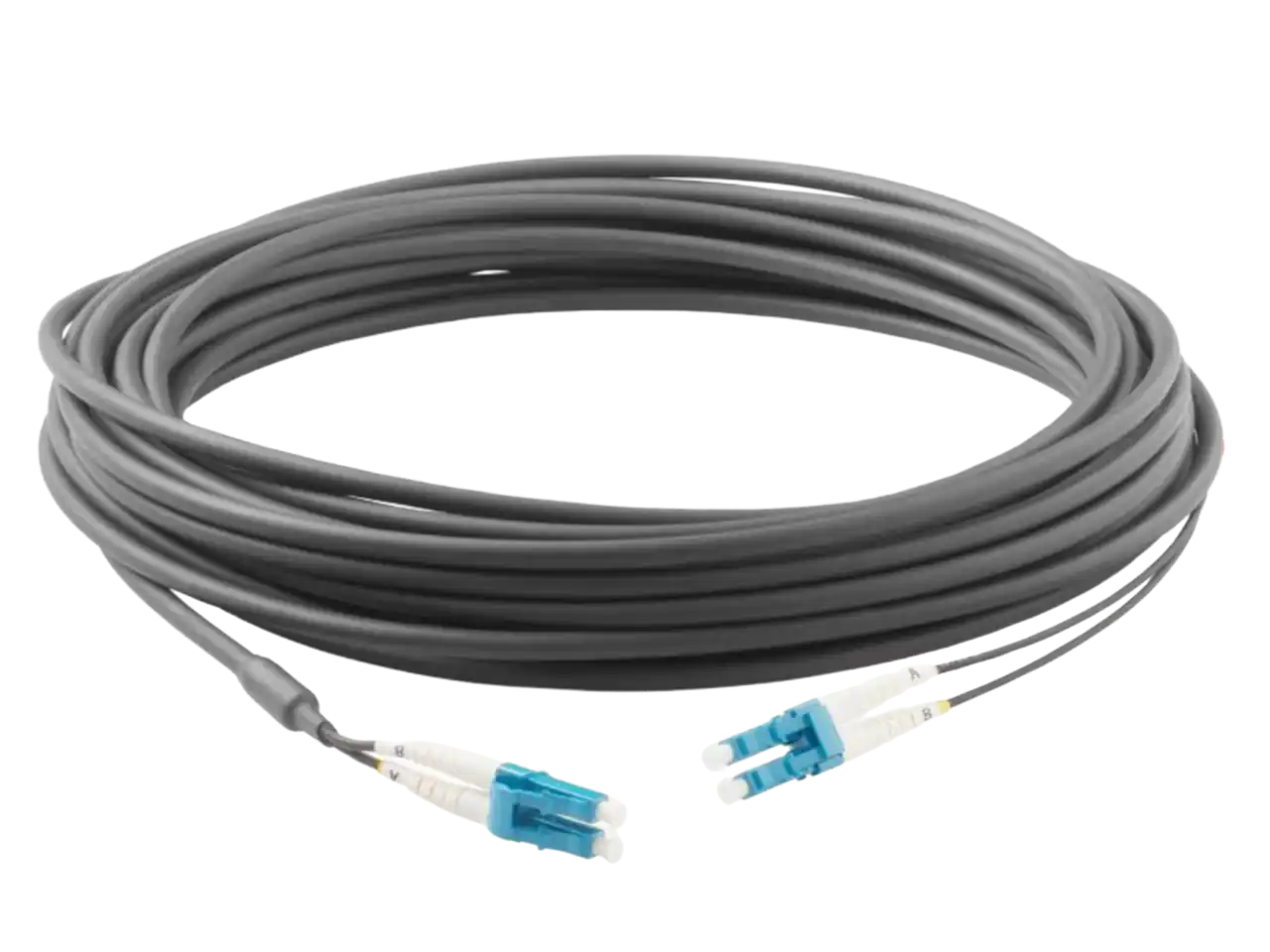
FTTA and Fiber Optic Riser Cables
FTTA and fiber optic riser cables are used between telecom equipment, remote radio units, rooftops, masts and cabinet locations. Cable assemblies can be selected for outdoor use, vertical routing, bend tolerance, connector protection, jacket type and labeling in demanding telecom installations.
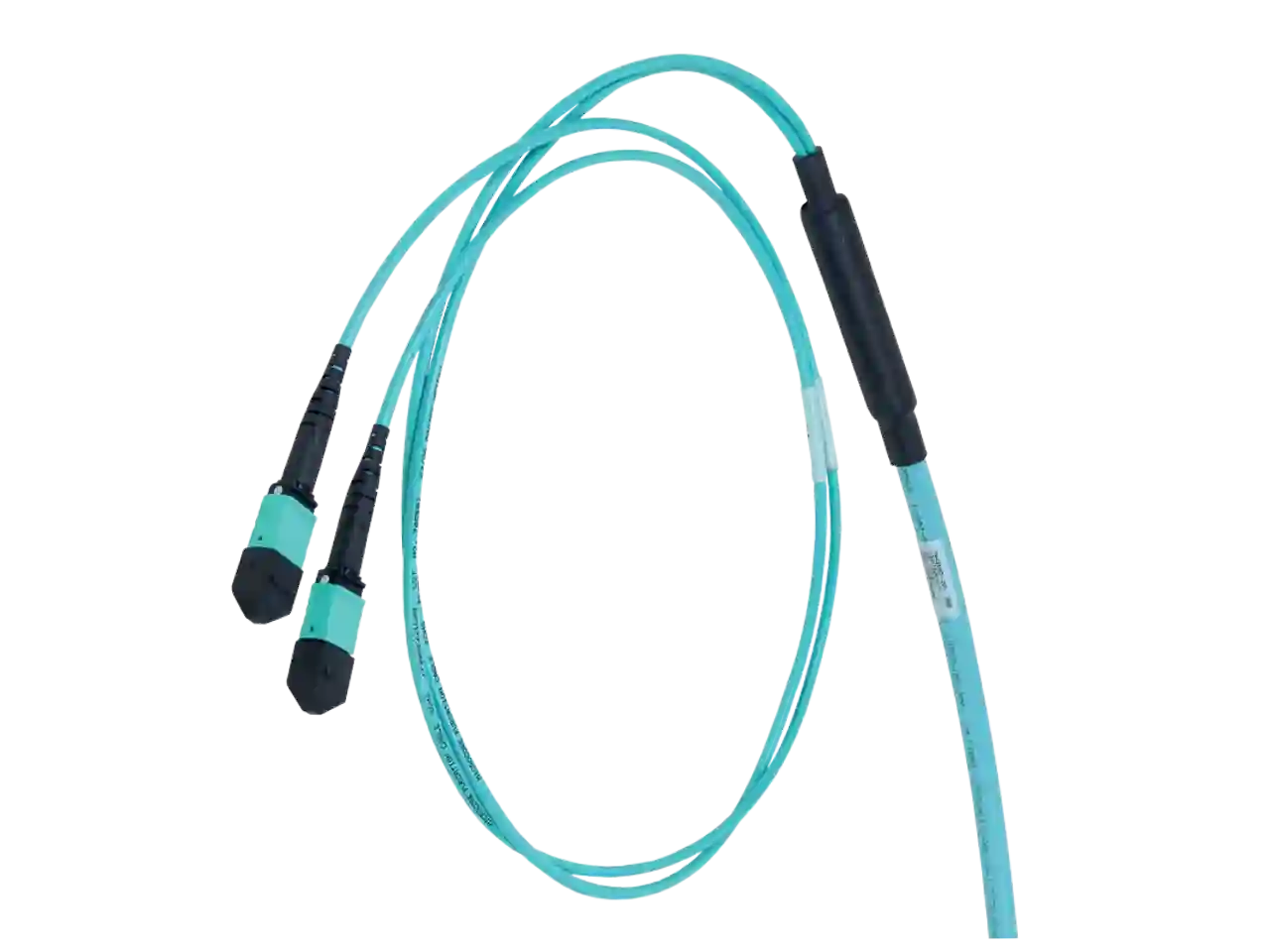
MTP/MPO Harness Cables
MTP/MPO harness cables split high-density multi-fiber trunks into LC or SC connector legs for racks, patch panels and equipment ports. They are specified by fiber type, polarity, connector layout, breakout length, labeling and test documentation for cleaner installation, easier troubleshooting and controlled moves or expansions.
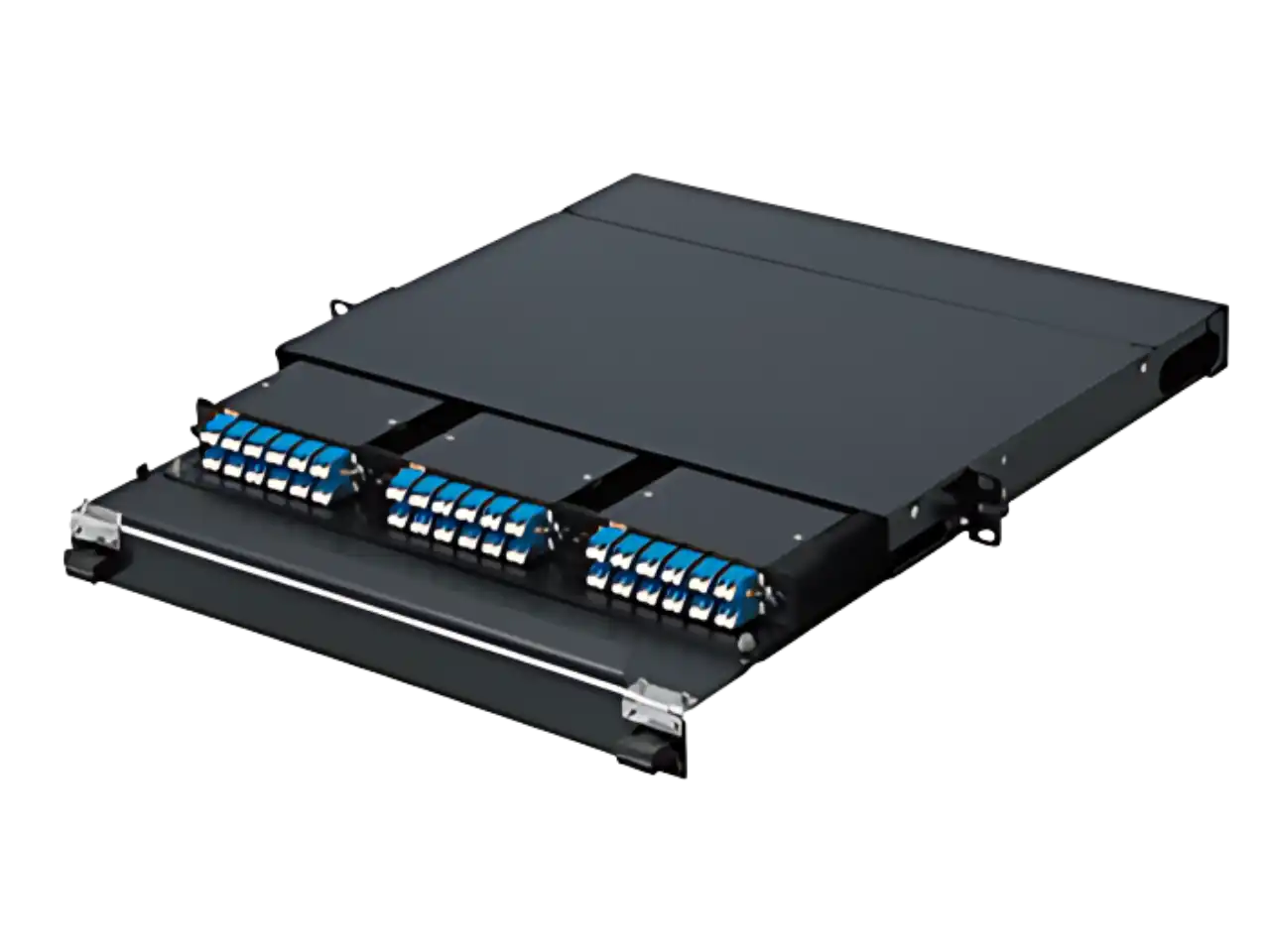
Patch Panels and Rack Components
Fiber patch panels, splice trays, FO adapters, attenuators and rack components organize cable entry, termination, splicing and patching inside racks, ODFs and cabinets. Standard and high-density options improve access, labeling, bend radius control and long-term maintainability in network installations.
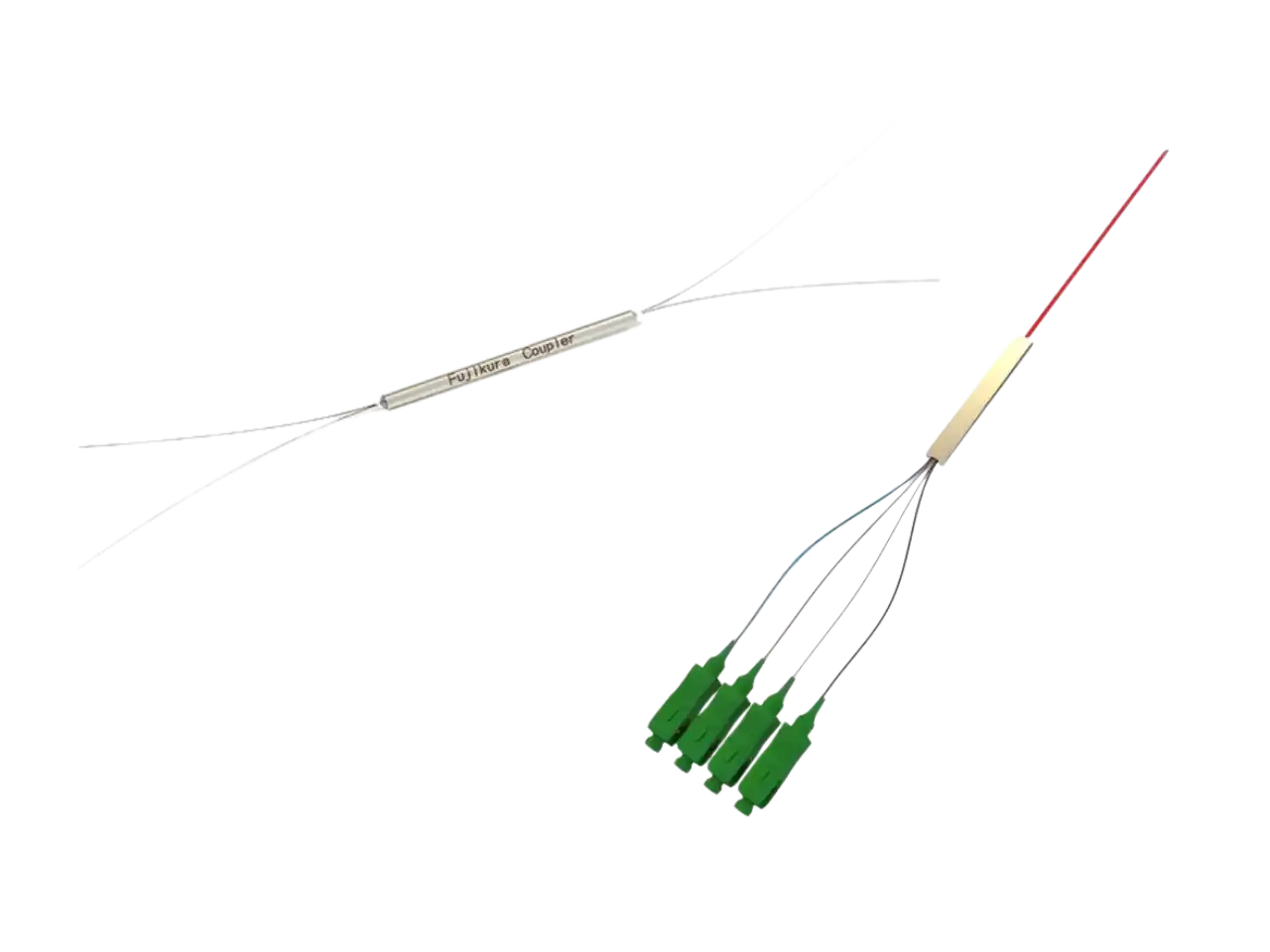
Couplers, Splitters and Passive Components
Fiber optic couplers, PLC splitters and other passive components support signal distribution, testing and access network builds without active electronics. Selection depends on connector type, split ratio, housing format, insertion loss class, return loss requirements and the particular network installation environment.
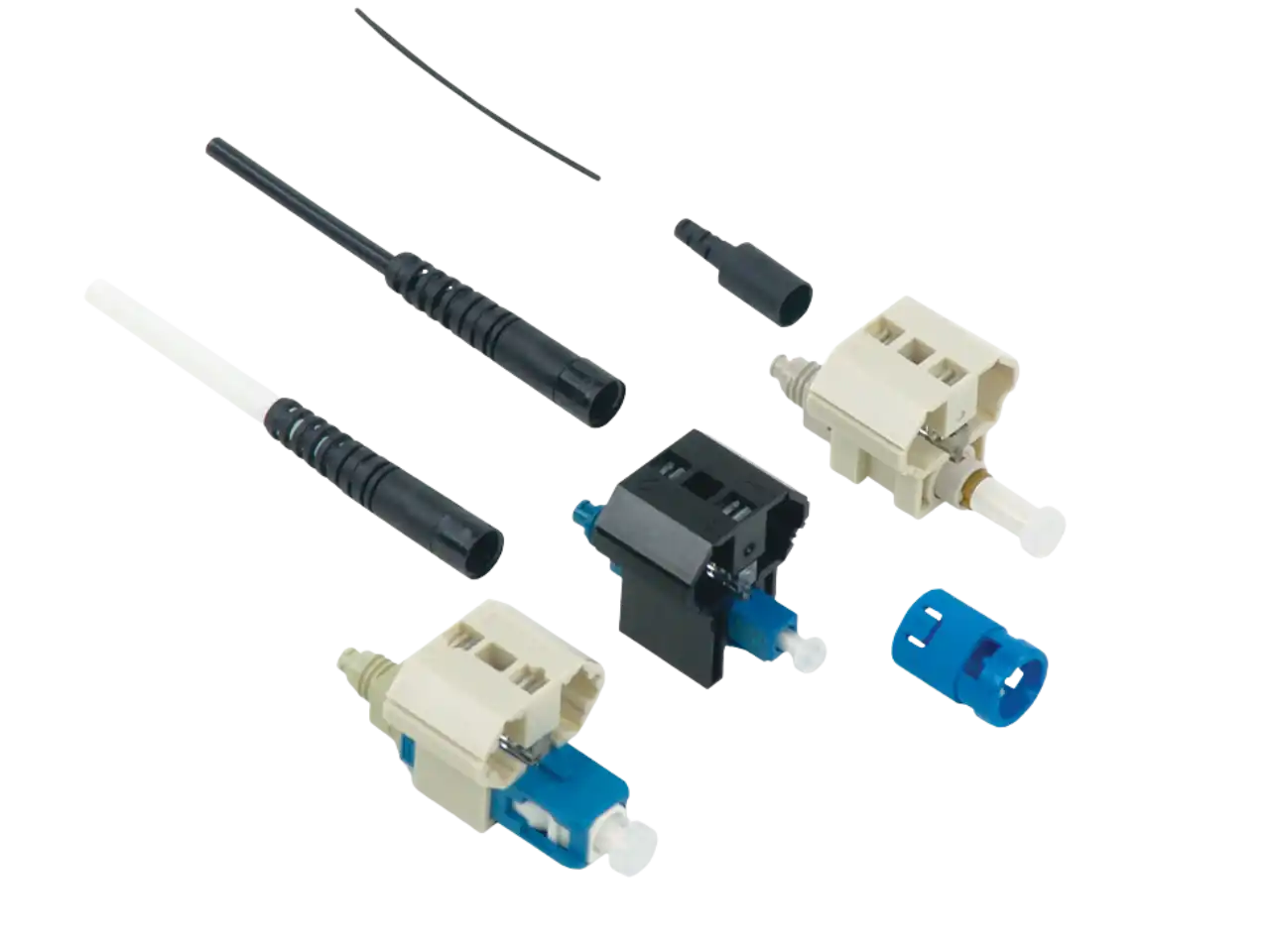
Fujikura Field Connectivity
Fujikura FAST™ Connector Series, FAST™ Plus Connector, FuseConnect™ Series, FuseConnect™ for MPO and Mechanical Splice Element support fast fiber connection and repair work directly on site. They are useful for FTTH, access networks, equipment rooms and restoration tasks where compact tools, short setup time and controlled optical performance matter.
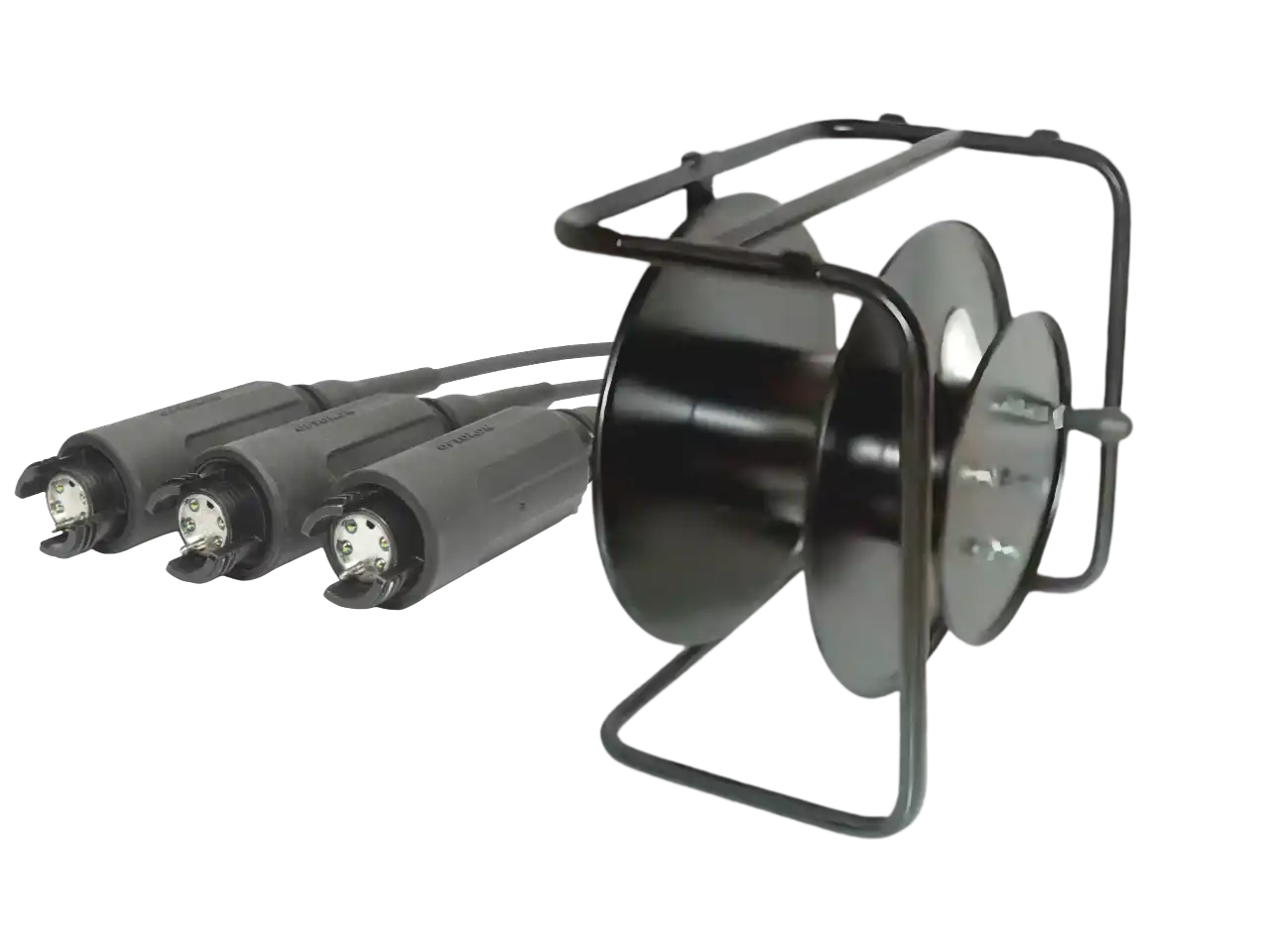
Tactical Fiber Cabling
Tactical fiber cabling supports temporary, mobile and harsh-use communication setups where cables are repeatedly deployed, moved and recovered. Typical uses include military field networks, broadcast camera networks, emergency communications and industrial sites requiring drum use, connector protection, crush resistance, repairability and fast deployment under pressure.
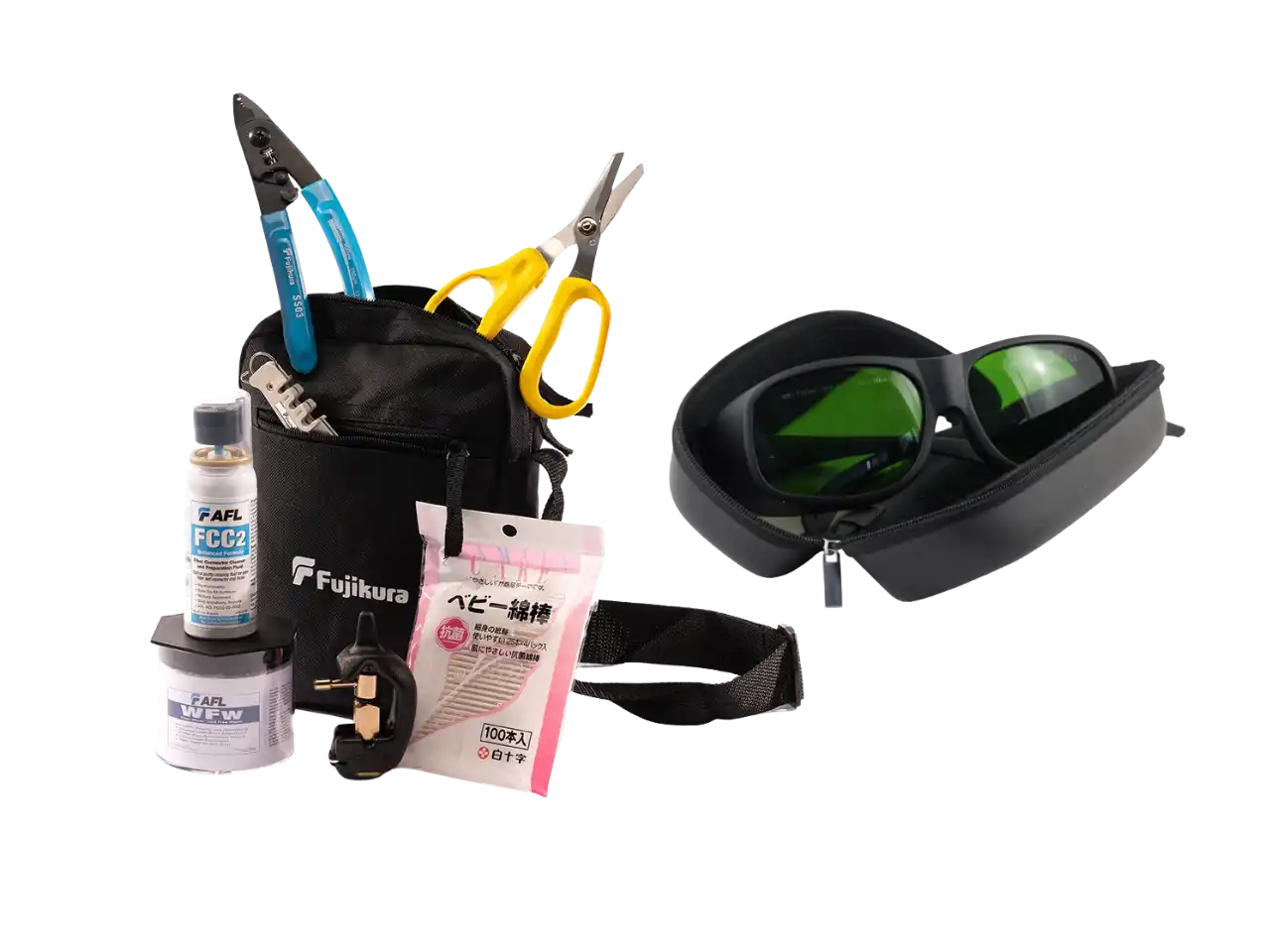
Fiber Tools and Safety
Fiber tools and safety accessories support cable preparation, handling and safer work around optical links. This includes hand tools for stripping, cutting, cable access and cable routing, plus laser safety glasses for active optical interfaces, diodes, visible and non-visible lasers, including certain cosmetic laser applications, laboratory use, service environments and controlled maintenance work.