Flatpack 2 Modular DC Power Systems
Flatpack 2 is a modular DC power platform for telecom, utility, industrial, transport, and emergency power applications where architecture choice, control flexibility, and long-term scalability matter as much as output power. One of the family’s main strengths is its breadth: Flatpack 2 systems are available as voltage-specific solutions for 24 V, 48 V, 60 V, 110 V, 125 V, 220 V, and 380 V DC, making the platform relevant across very different site standards and application environments. The family also supports a broad control ecosystem, including Smartpack R, Smartpack S, touchscreen controller variants, Delta Orion, and CAN-node based expansion for projects that need more inputs, outputs, alarms, or site-specific operating logic.
Modular powercore building blocks in the 8–24 kW range, together with shelf-based system design and larger indoor cabinet options, allow Flatpack 2 architectures to scale from smaller DC installations to high-density cabinet solutions reaching up to 108 kW within a standard 600 mm cabinet footprint. This makes Flatpack 2 a strong choice for projects that need more than a compact single-format DC system and want a broader family platform with practical room for control, integration, expansion, and future growth.
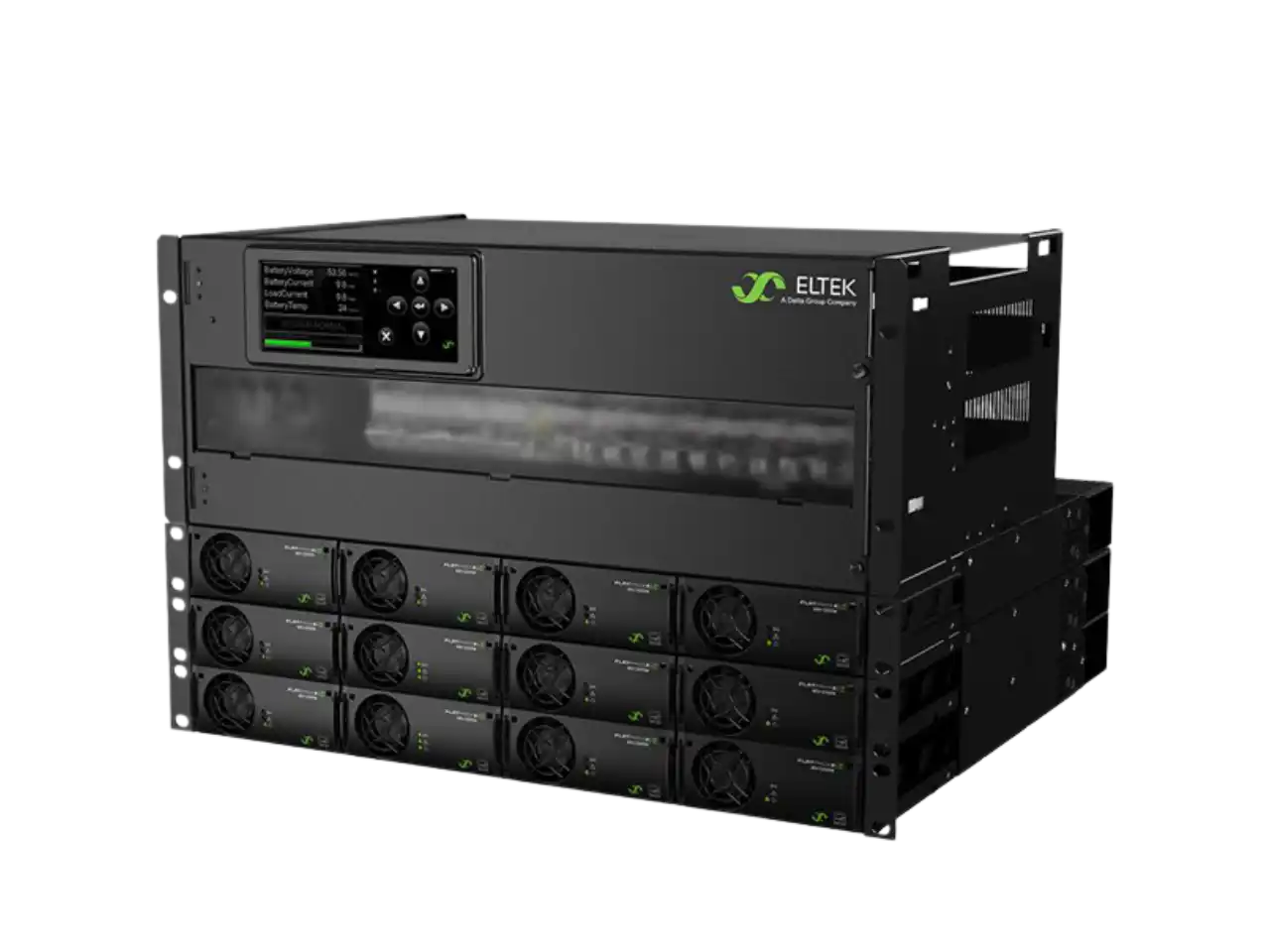
Flatpack 2 modular DC power systems strengths and architecture
Flatpack 2 stands out as a broader modular DC power family rather than a narrow single-format system platform. It combines voltage-specific system variants across 24 V, 48 V, 60 V, 110 V, 125 V, 220 V, and 380 V DC with a wide controller and expansion ecosystem, scalable power building blocks, and higher-capacity indoor cabinet options. This gives system designers more freedom to match control depth, site logic, integration level, and physical architecture to the real needs of each project.
Broad DC platform range
Voltage-specific system variants from 24 V to 380 V DC support very different site standards and deployment needs.
Flexible controller ecosystem
Supports Smartpack R, Smartpack S, touchscreen variants, and Delta Orion for different control and monitoring needs.
Expandable monitoring and I/O
CAN-node expansion adds inputs, outputs, alarms, and more specialised site control logic where required.
Scalable cabinet architecture
Modular powercores, shelves, and cabinets support growth from smaller systems to dense indoor power installations.
Flatpack 2 variants and configurations
Flatpack 2 is built as a broader modular DC platform rather than a single fixed system format. Different voltage-specific system families, controller choices, power building blocks, and cabinet approaches allow the platform to fit very different project types, from more compact DC installations to larger indoor systems where power density, integration, and future expansion all matter.
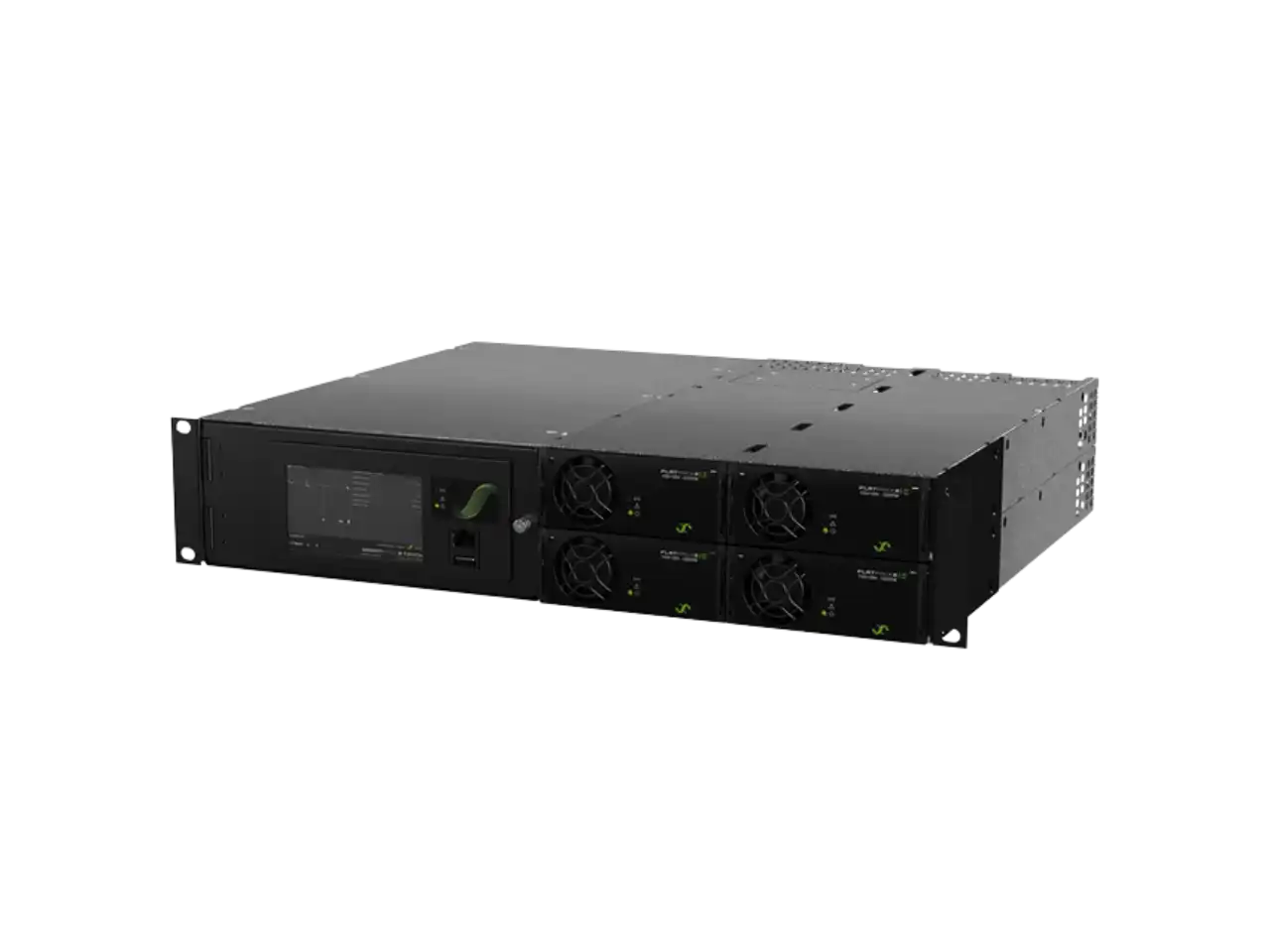
DC variants for different voltage platforms
Flatpack 2 includes voltage-specific system variants for 24 V, 48 V, 60 V, 110 V, 125 V, 220 V, and 380 V DC applications. This gives the family a much broader deployment range than platforms built mainly around one standard system voltage.
This matters in projects where the same organisation, network, or infrastructure environment may involve different DC standards across sites or application types. It makes Flatpack 2 a practical family platform for telecom, utility, transport, industrial, and emergency power use rather than a narrower single-segment solution.
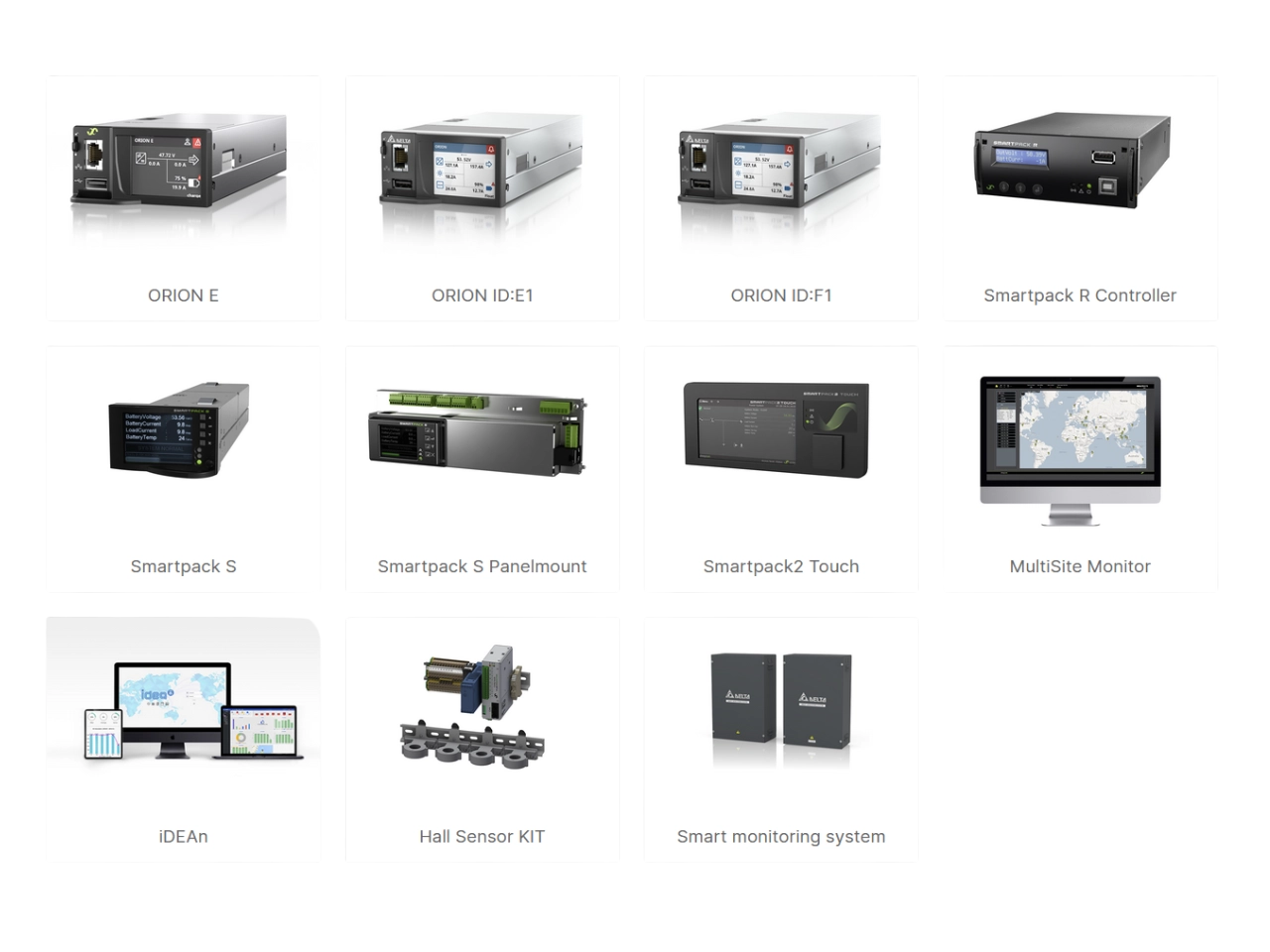
Smartpack and Orion control options
Flatpack 2 systems can be configured with different controller options, including Smartpack R, Smartpack S, touchscreen controller variants, and Delta Orion. This allows the control layer to be matched more closely to site requirements, operating preferences, and monitoring depth.
The value is not only in basic supervision, but in choosing a control approach that fits the site’s real operational logic. Different projects may need different local interface expectations, alarm handling, integration level, or expansion potential, and the Flatpack 2 family supports that flexibility well.
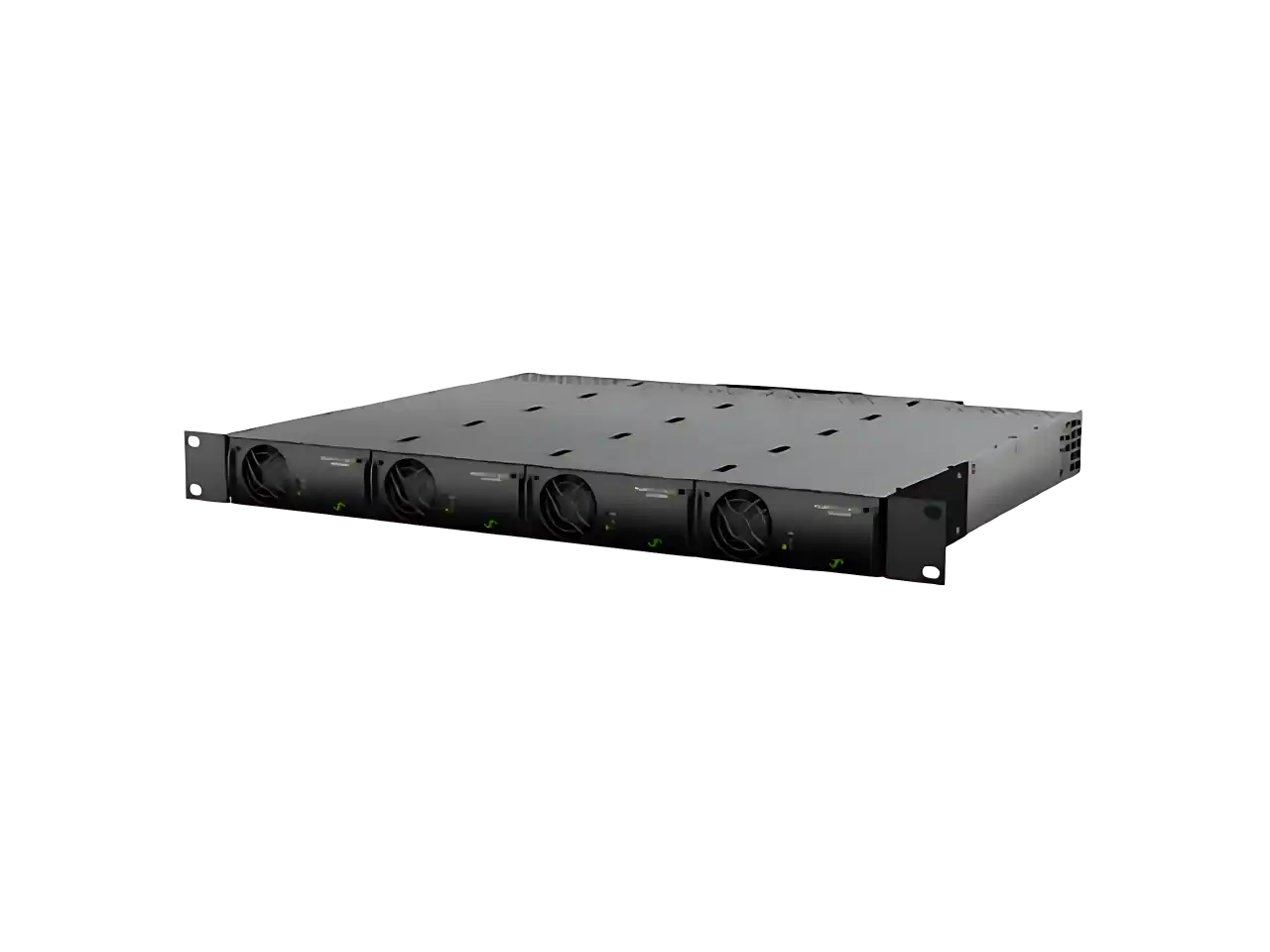
Modular powercore building blocks
Flatpack 2 uses modular power building blocks that support scalable system design across different capacity levels and installation sizes. Powercore structures in the 8–24 kW range help create consistent architectures from smaller systems upward without changing platform logic completely.
This modularity helps system designers build around current project needs while leaving room for future growth. It also supports a more structured approach to system planning, where rectifier capacity, control, distribution, and cabinet layout can be developed as part of one coherent platform architecture.
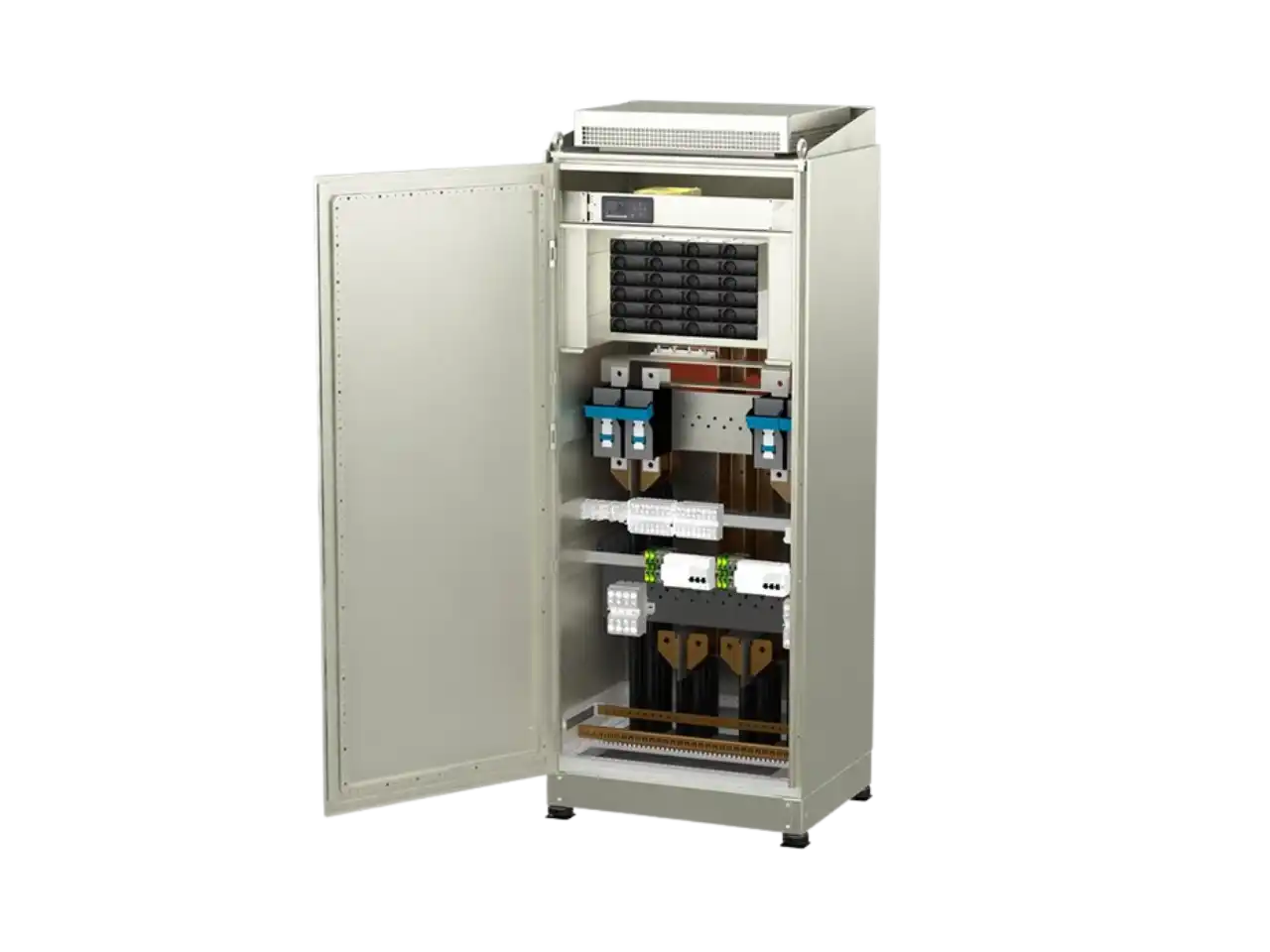
Indoor cabinet system options
Beyond smaller and mid-size configurations, Flatpack 2 also extends into larger indoor cabinet solutions for higher-capacity DC power installations. This makes the family relevant where projects need denser power architecture and a more integrated cabinet-level system approach.
Indoor cabinet options become especially important when power density, space planning, and clean system packaging all matter in the same project. With solutions reaching up to 108 kW in a standard 600 mm cabinet footprint, Flatpack 2 can scale into much larger indoor roles while staying within a familiar platform family.
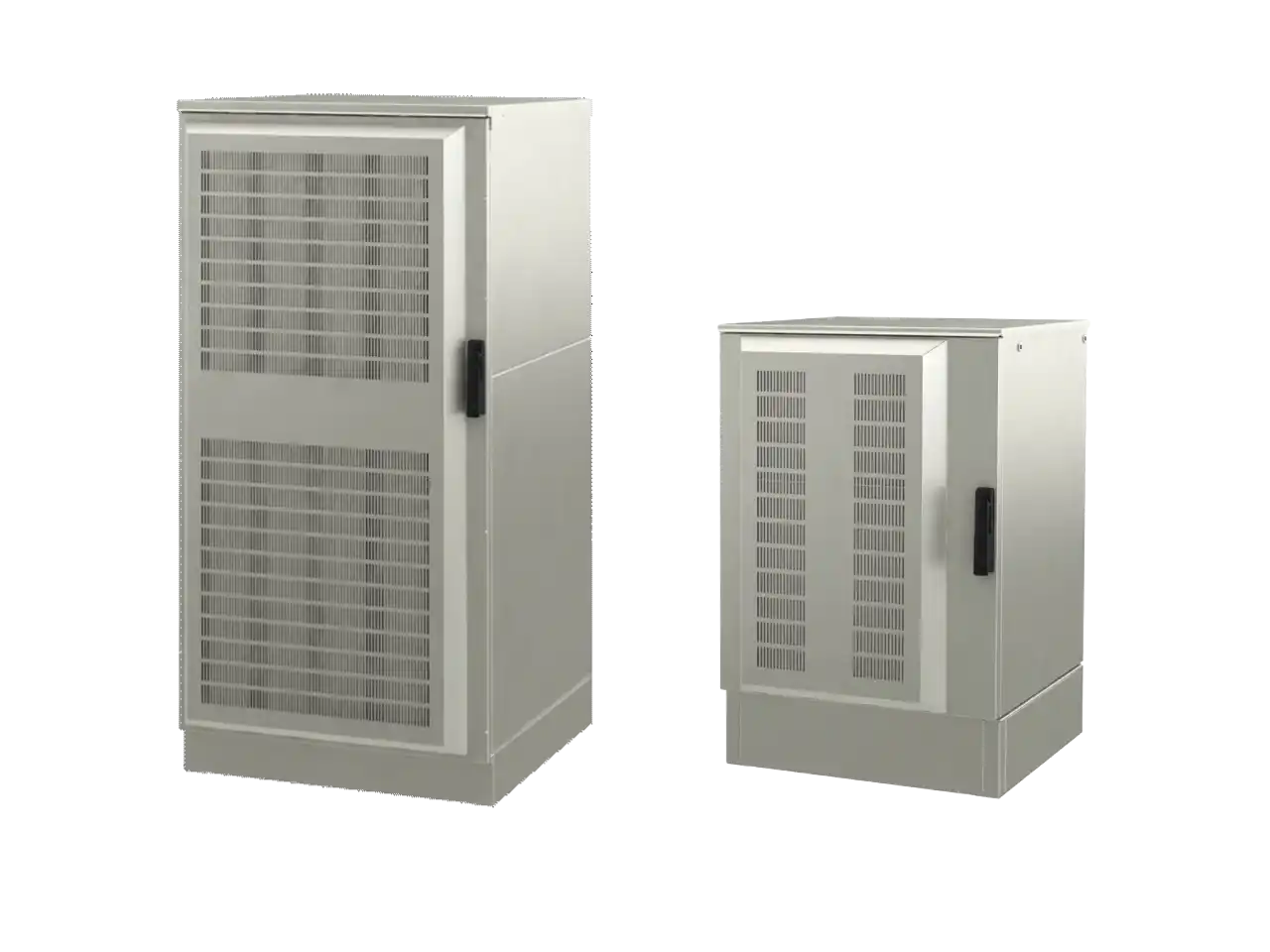
Outdoor cabinet system options
Flatpack 2 can also be deployed in outdoor cabinet formats for sites where DC power, batteries, and telecom or industrial equipment must be integrated into a protected field enclosure. Depending on the application, this can range from more compact Type 2 formats to larger Type 4 cabinet solutions.
These outdoor variants matter where weather protection, thermal management, cabinet integration, and site serviceability are part of the power design from the start. Type 2 supports smaller 15U and 22U enclosure formats with wall, pole, or floor mounting, while Types 3 and 4 provides a larger single-bay cabinet approach with broader space for power, battery backup, and telecom equipment.
Flatpack 2 control, monitoring, and system expansion
Flatpack 2 is supported by a broad control and expansion ecosystem rather than a single fixed controller approach. Smartpack R, Smartpack S, touchscreen controller variants, Delta Orion, and CAN-node based expansion allow the system to be adapted to different monitoring needs, interface preferences, alarm handling requirements, and site-specific control logic.
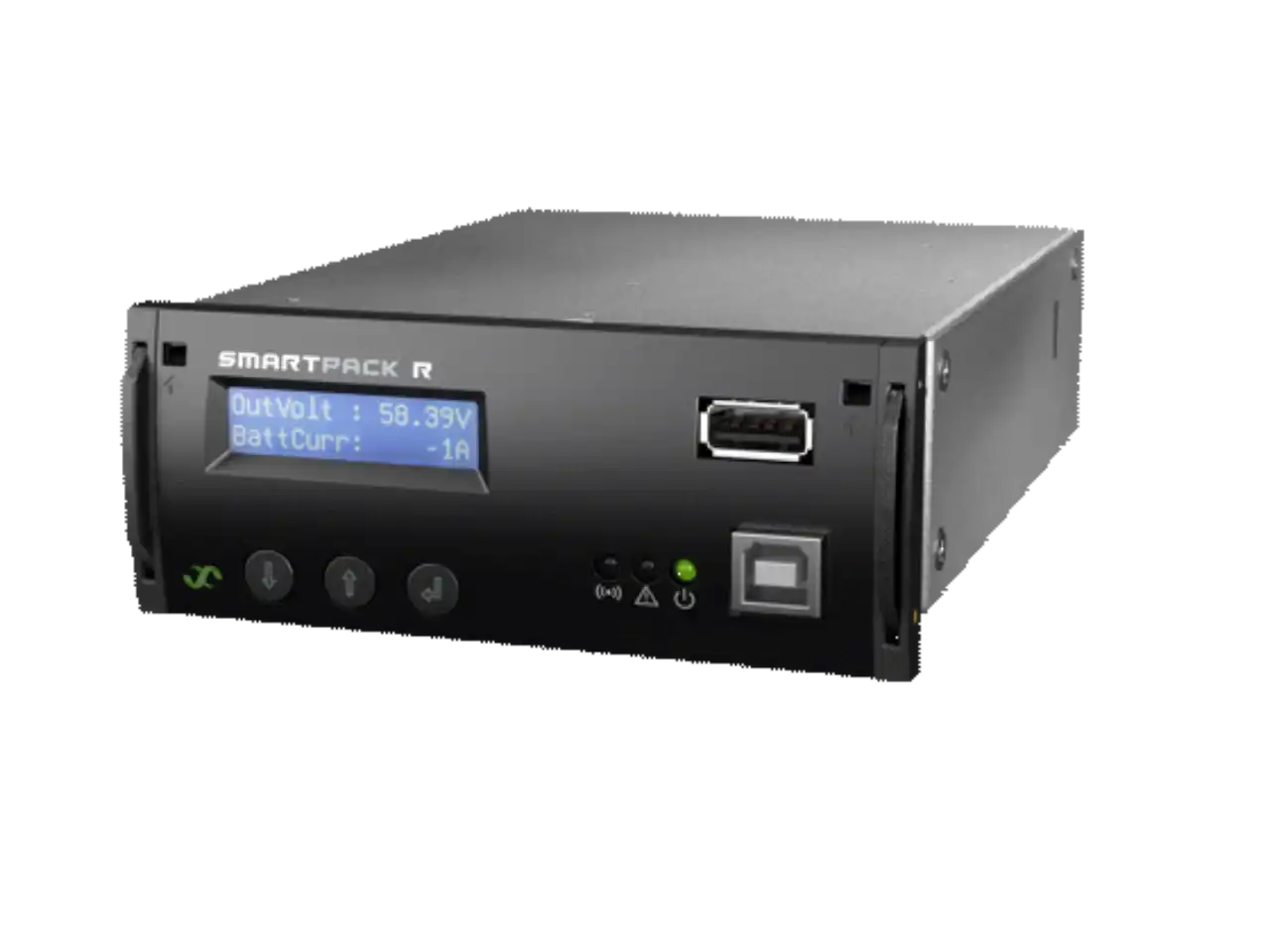
Smartpack R controller
Smartpack R is suited to Flatpack 2 systems that need a more capable controller layer with clear monitoring, alarm handling, and broader system supervision. It fits projects where the DC plant is expected to be a more active part of the site infrastructure rather than a simple standalone power block.
This becomes important in larger or more integrated sites where operators need better visibility into system status, events, and operating conditions. It also supports a cleaner control structure when the DC system must serve as a monitored infrastructure element with stronger operational relevance over time.
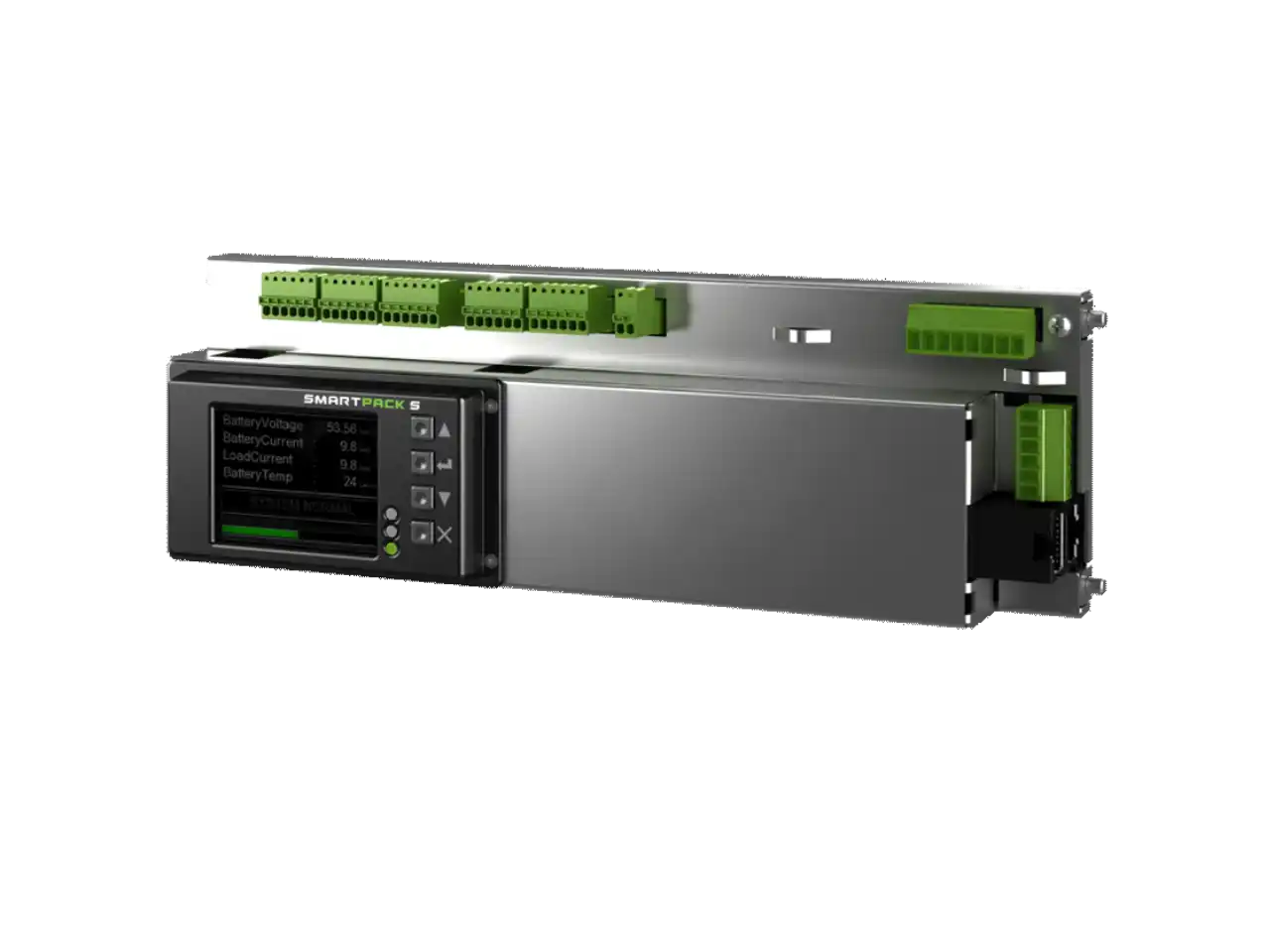
Smartpack S controller
Smartpack S is a practical controller option for Flatpack 2 systems where the control structure can remain simpler but still needs solid monitoring and alarm management. It fits projects that do not require the same control depth as more complex site architectures.
This makes it useful where the DC system still needs dependable supervision and service access, but without pushing the project toward a heavier control layer than necessary. It supports a more focused system architecture while keeping the platform within the broader Flatpack 2 family logic.
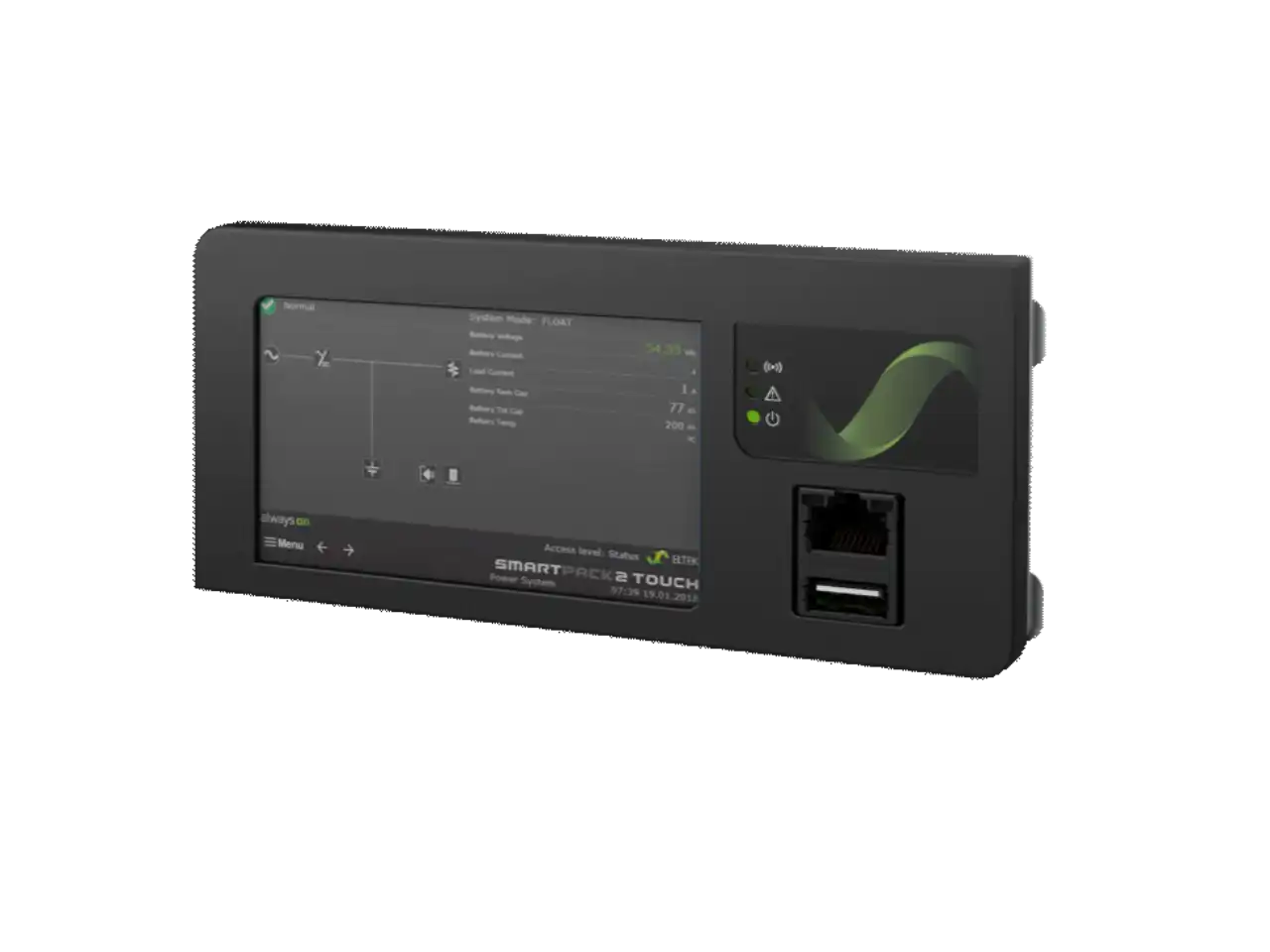
Touchscreen controller variants
Touchscreen controller variants add a more direct local interface for operation, status review, and service work. They are useful in projects where local usability matters and where technicians benefit from faster access to system information without relying only on external tools or remote visibility.
This can improve day-to-day interaction with the power system in sites where local maintenance, commissioning, and troubleshooting are part of normal operations. It also helps when the controller should provide a clearer on-site interface for teams that need practical access to alarms, settings, and live system status.
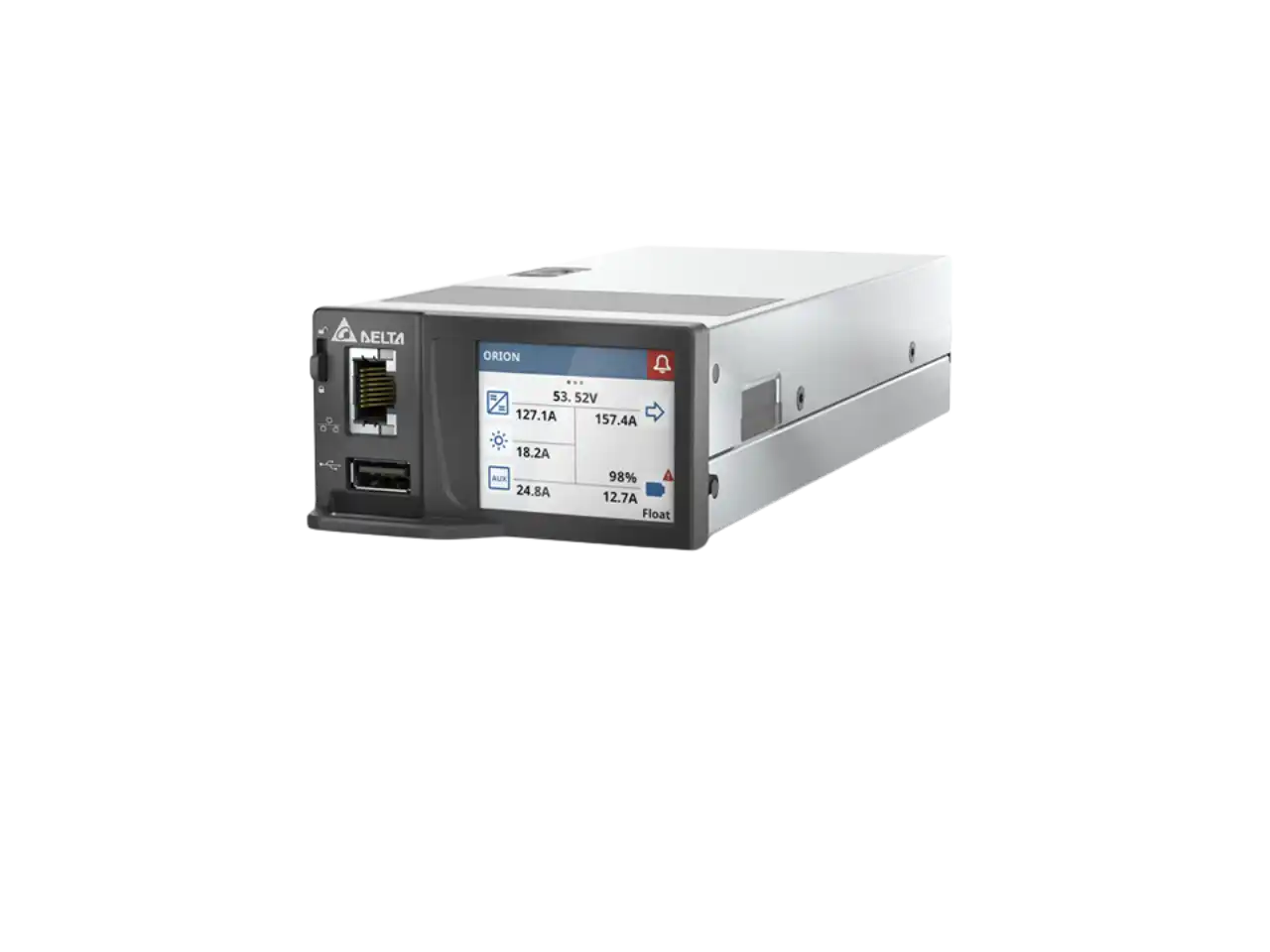
Delta Orion control platform
Delta Orion extends the Flatpack 2 control range with another platform option for projects that need a different control structure, interface approach, or integration model. It adds flexibility where one standard controller path is not the best fit for the site.
This matters in projects where system integration, user expectations, or operational logic point toward a different controller environment than the Smartpack path alone. It broadens the usable control architecture of the Flatpack 2 family and helps match the DC system more closely to project-specific requirements.
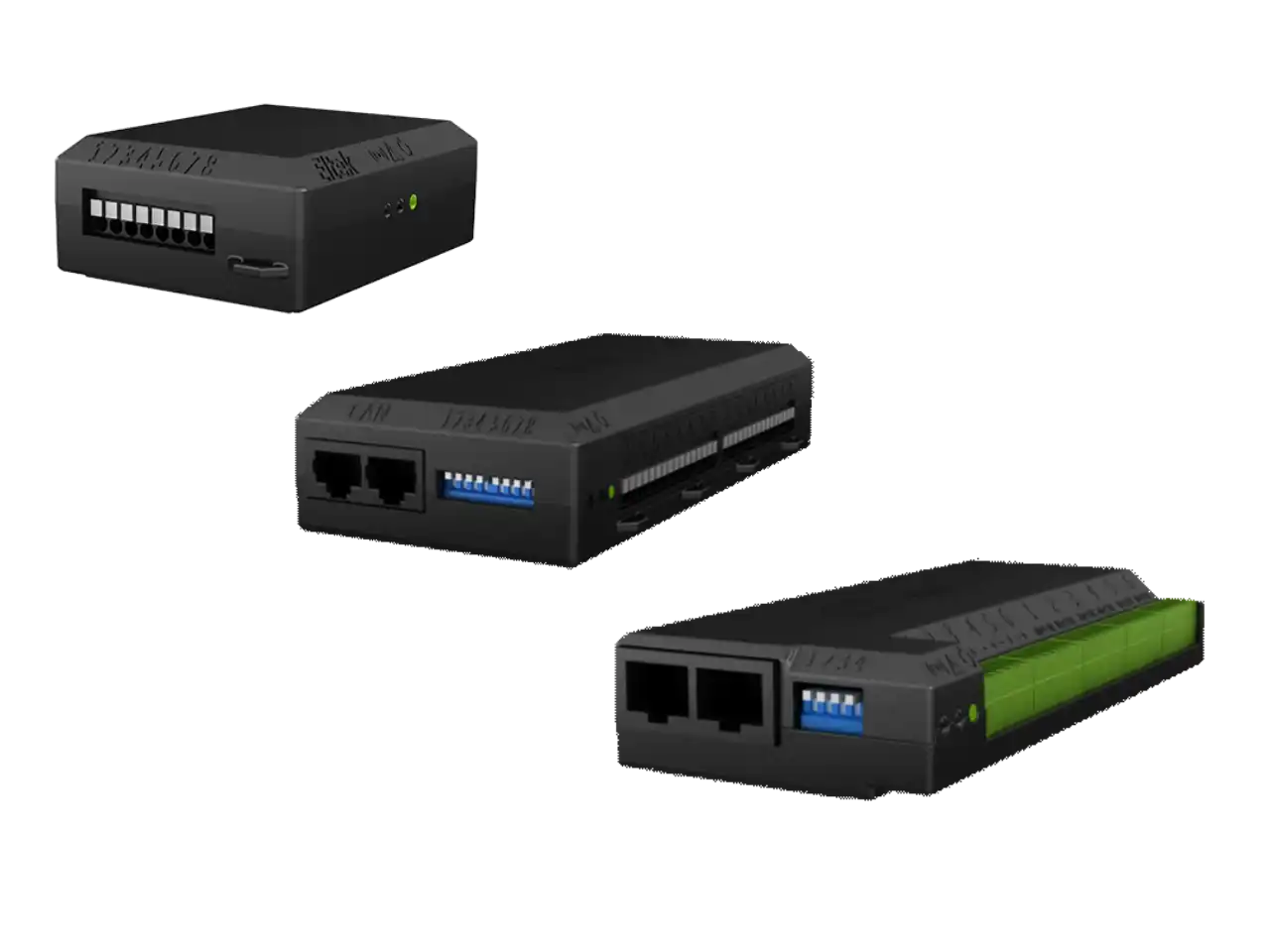
CAN-node I/O expansion
CAN-node expansion allows Flatpack 2 systems to add more inputs, outputs, alarms, and other site-specific interface points beyond the controller’s base capability. This makes the platform easier to adapt when the DC system must interact with a broader set of external equipment or site signals.
The value here is practical system tailoring rather than expansion for its own sake. Additional I/O can support more detailed alarm logic, external equipment coordination, and specialised control functions in projects where the standard controller configuration would otherwise be too limited.
Flatpack 2 power building blocks and cabinet scaling
Flatpack 2 scales through modular rectifier, powercore, and cabinet building blocks rather than one fixed system format. This allows the platform to support very different project sizes while keeping the overall architecture more consistent across compact systems, indoor cabinets, and larger site power installations.
8–24 kW powercore platforms
Powercore platforms in the 8–24 kW range provide a modular base for building Flatpack 2 systems across different site sizes. They help structure capacity growth without forcing a complete shift to a different platform logic.
This is useful where the project must start at one capacity level but may expand later. A modular powercore approach supports cleaner planning around present load, future growth, and overall system consistency.
Rectifier shelf system building blocks
Rectifier shelf structures form one of the core building blocks behind Flatpack 2 system design. They support modular capacity, practical service access, and a structured way to assemble DC systems around project-specific power needs.
Shelf-based design matters because it supports expansion and maintenance without turning the system into a one-off custom layout. It helps keep the power architecture organised as the installation grows or changes over time.
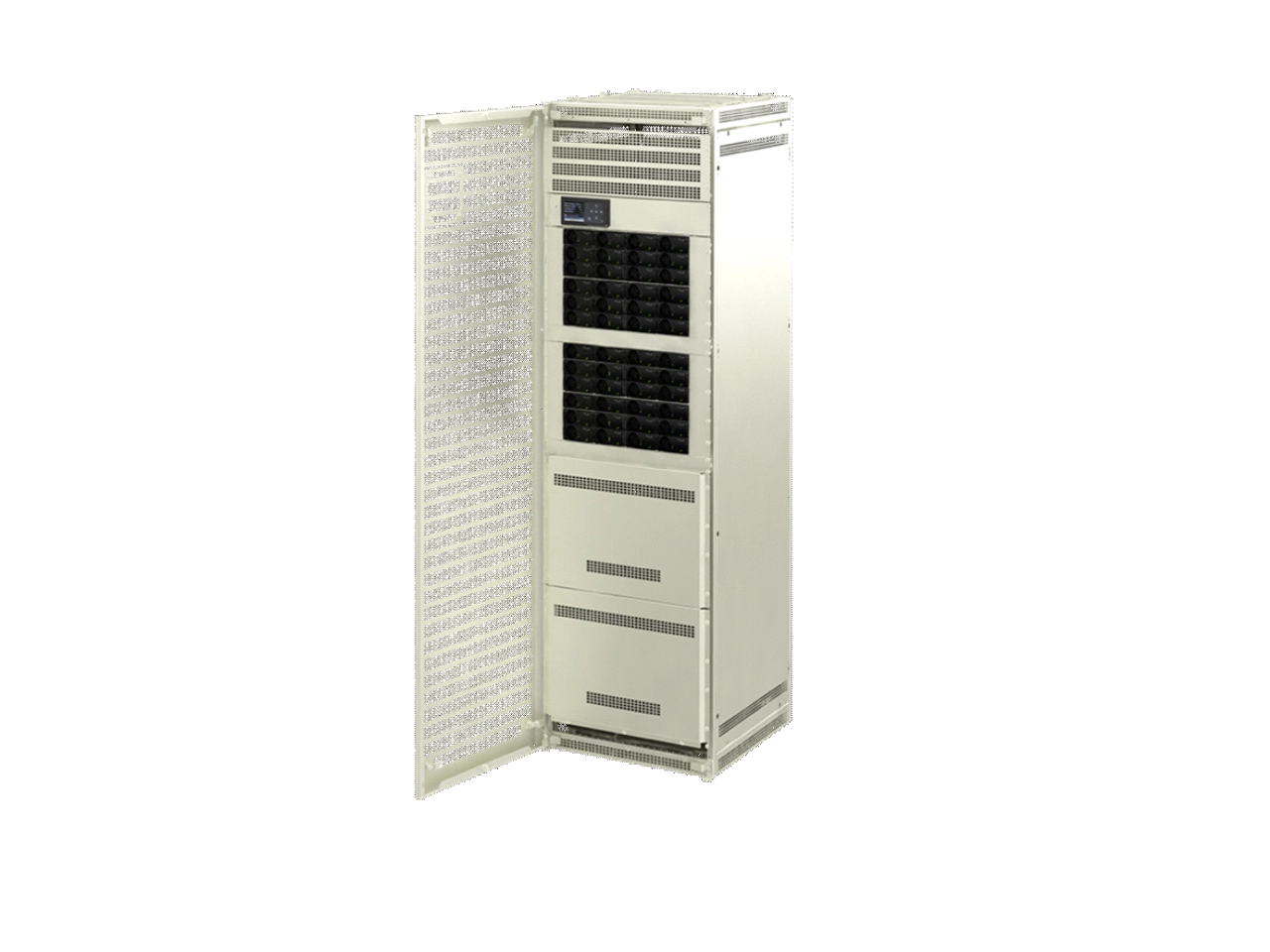
Indoor cabinets up to 108 kW
Flatpack 2 also extends into higher-capacity indoor cabinet systems for projects that need denser and more integrated DC power architecture. This makes the family relevant well beyond smaller rack or shelf-level installations.
Cabinet-level solutions are important where space planning, integrated layout, and higher installed power all matter together. They provide a cleaner path for scaling into larger critical power systems while staying within the same broader platform family.
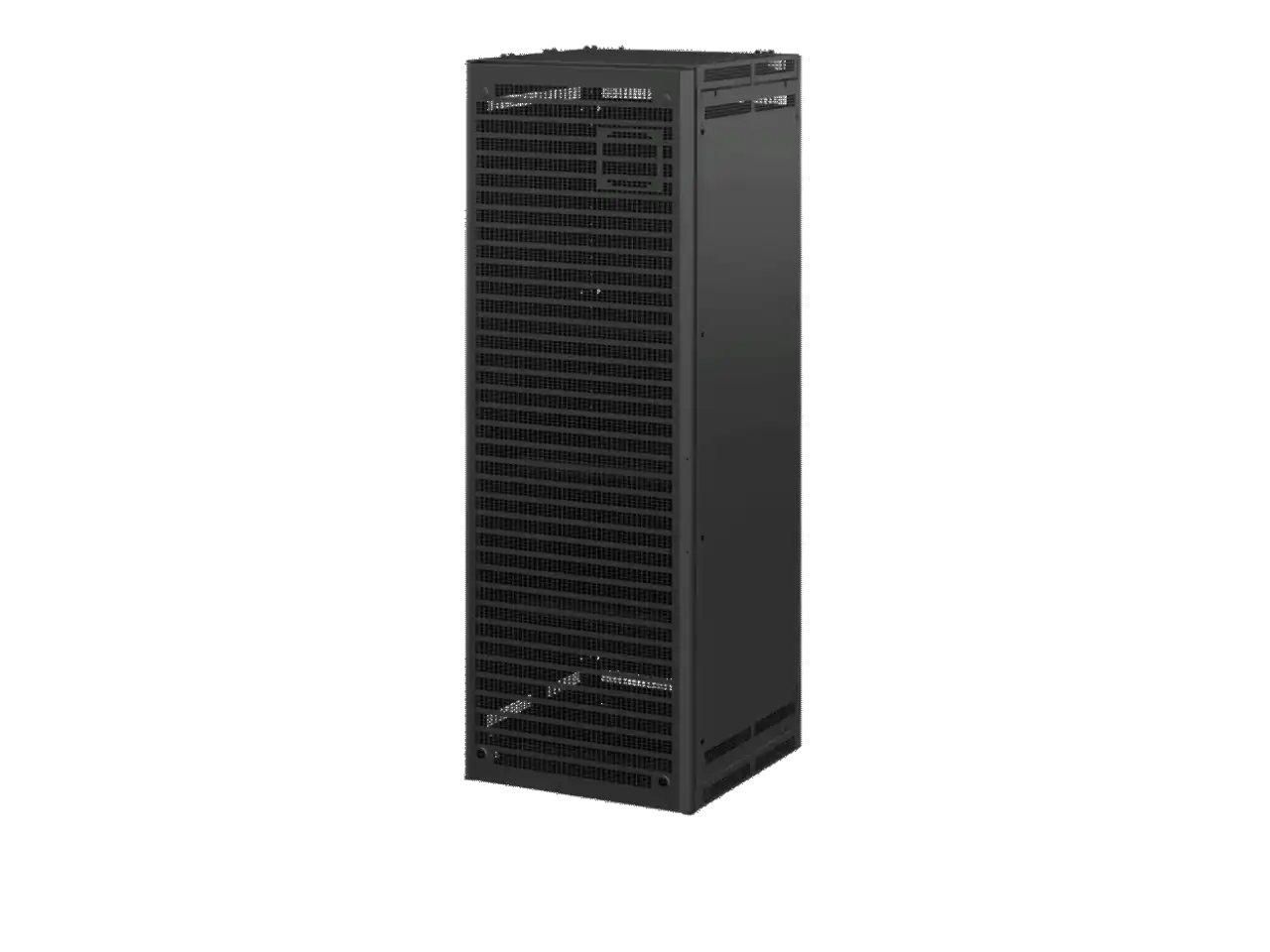
Standard 600 mm cabinet footprint
Flatpack 2 can reach high system capacity within a standard 600 mm cabinet width, making it easier to fit strong DC performance into familiar indoor layouts. This supports efficient space use without unusual cabinet planning.
That becomes especially useful in real projects where floor space, room layout, and retrofit constraints are already defined. A standard cabinet footprint helps simplify integration while still allowing the system to scale to much higher power levels.
Flatpack 2 fit across critical DC applications
Flatpack 2 fits a wide range of critical DC power projects because the family is not tied to one narrow system format, one control path, or one nominal voltage architecture. With voltage-specific system variants from 24 V to 380 V DC, multiple controller options, CAN-node based expansion, modular power building blocks, and both indoor and outdoor cabinet approaches, it can be matched to very different operational and site-level requirements. This makes Flatpack 2 relevant across telecom, utility, transport, industrial, and emergency power environments where long-term operability, maintainability, and practical system growth all need to be considered early in the design.
Telecom network power systems
Scalable DC architecture for telecom sites that need battery-backed continuity, flexible control, and room for system growth.
Utility and substation DC systems
A strong fit for utility DC applications where voltage-specific architecture, supervision, and dependable backup power are essential.
Industrial and infrastructure sites
Suitable for projects where DC power must align with site logic, external interfaces, and longer-term capacity planning.
Emergency power applications
Relevant where resilient DC supply, battery support, and adaptable system architecture are important to overall site continuity.
Plan the right Flatpack 2 architecture
Flatpack 2 covers a broad range of DC power architectures, controller options, expansion paths, and cabinet formats. The right system design depends on voltage platform, site logic, monitoring needs, battery backup strategy, available space, and future growth plans. If you are planning a new installation, expanding an existing site, or comparing alternatives for a more demanding DC application, we can help define the most suitable Flatpack 2 approach.