HELIFLEX Air-Dielectric Cables for High-Power RF Sites
HELIFLEX is first and foremost a transmission-line family for broadcast infrastructure where high RF power must be carried from the transmitter to the antenna with the lowest possible attenuation and minimal signal distortion. The air-dielectric corrugated coaxial design uses dielectric spacers to center the inner conductor, giving HELIFLEX higher power capability than foam-dielectric cables of comparable size while remaining more practical to transport and install than rigid line. That combination makes it especially relevant for broadcast towers, high-power transmission sites, and other installations where long continuous runs, low loss, and dependable outside operation over decades are critical.
The family is also supported by matching connectors, clamps, grounding kits, and related accessories, so it can be deployed as a complete RF transmission path rather than as a cable-only choice. While the fit is broader than broadcast alone, the brochure is clear that broadcast is the main application area for HELIFLEX.
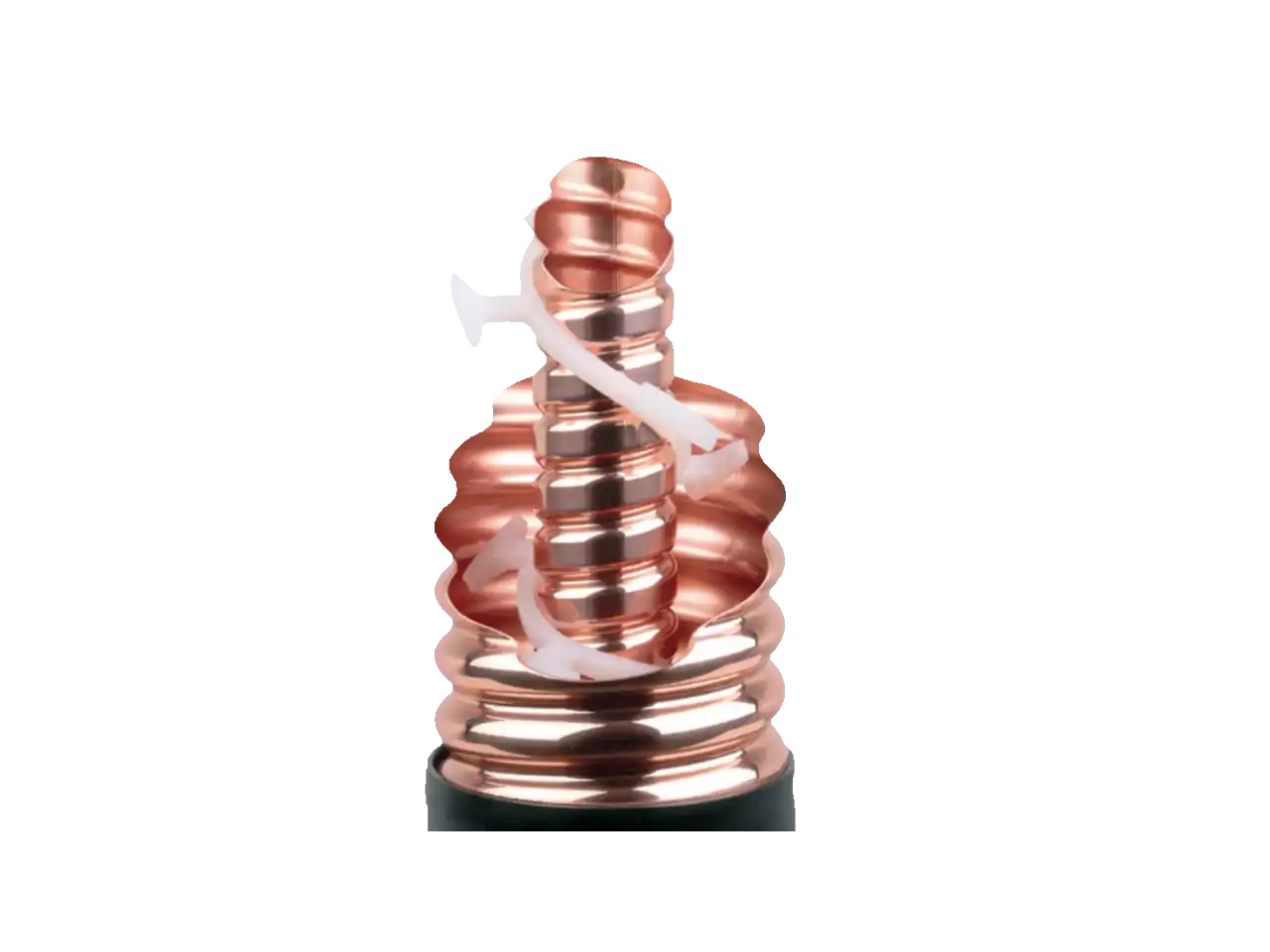
Key Features and Advantages for HELIFLEX Air-Dielectric Cables
HELIFLEX is built for broadcast transmission paths where attenuation, power handling, and long-run installation quality have a direct effect on system performance. Its main strengths come from the air-dielectric cable design itself, but also from the way the family supports transport, deployment, and long-term outdoor operation as a complete transmission-line solution.
High Power, Low Attenuation
Air-dielectric design minimizes attenuation and signal distortion while supporting higher power than foam-dielectric cables of similar size.
Flexible Long-Run Installation
Long single-piece cable lengths reduce joins and make installation more practical on towers and other extended transmission paths.
Simpler Transport and Logistics
Helix corrugation allows drum shipment in longer lengths, improving transport efficiency and reducing handling complexity on site.
Built for Decades Outdoors
Rugged outdoor construction and matched accessories support long service life with stable performance in severe conditions.
HELIFLEX Variants and Configurations
HELIFLEX is more than just the cable itself. The family includes connectors, clamps, grounding kits, and installation accessories that make routing, securing, and deploying a complete high-power broadcast transmission path more practical on real sites.
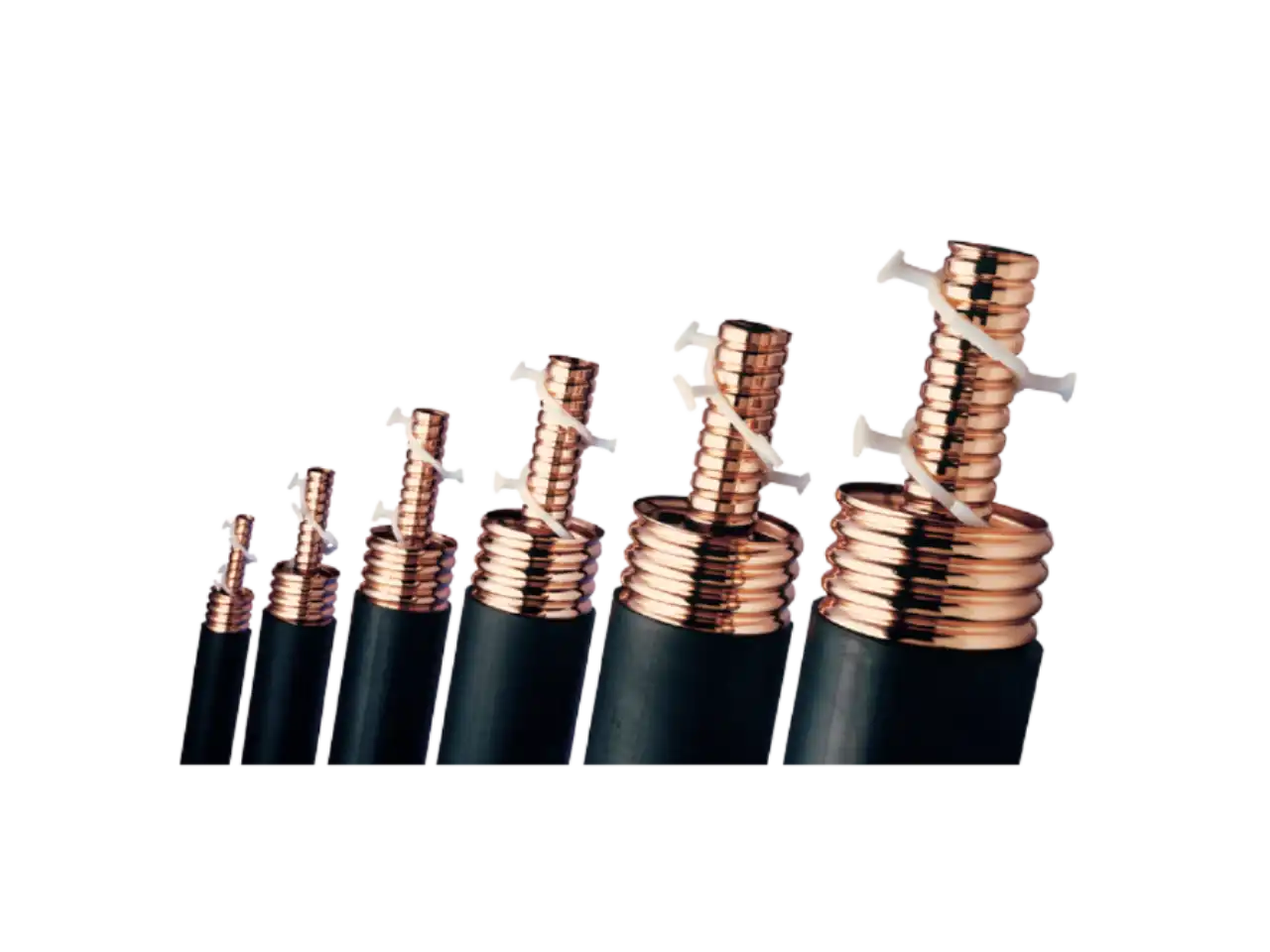
Different Line Sizes
HELIFLEX is available across a broad size range, so the transmission line can be matched to broadcast power level, attenuation target, and physical routing constraints. Smaller sizes fit lighter-duty runs and tighter installation conditions, while larger line sizes are used where power is higher and transmission loss must be kept as low as possible. This matters because line size directly affects both RF performance and installation behavior on real broadcast sites.
The HELIFLEX family covers sizes from 7/8 inch up to 6 1/8 inch as standard, with larger sizes available for more demanding transmission paths. That gives designers room to balance attenuation, power handling, weight, bend behavior, and tower mechanics instead of forcing one line format into every project. This is especially relevant in broadcast, where route length, antenna height, and transmitter power can differ substantially from one site to another.
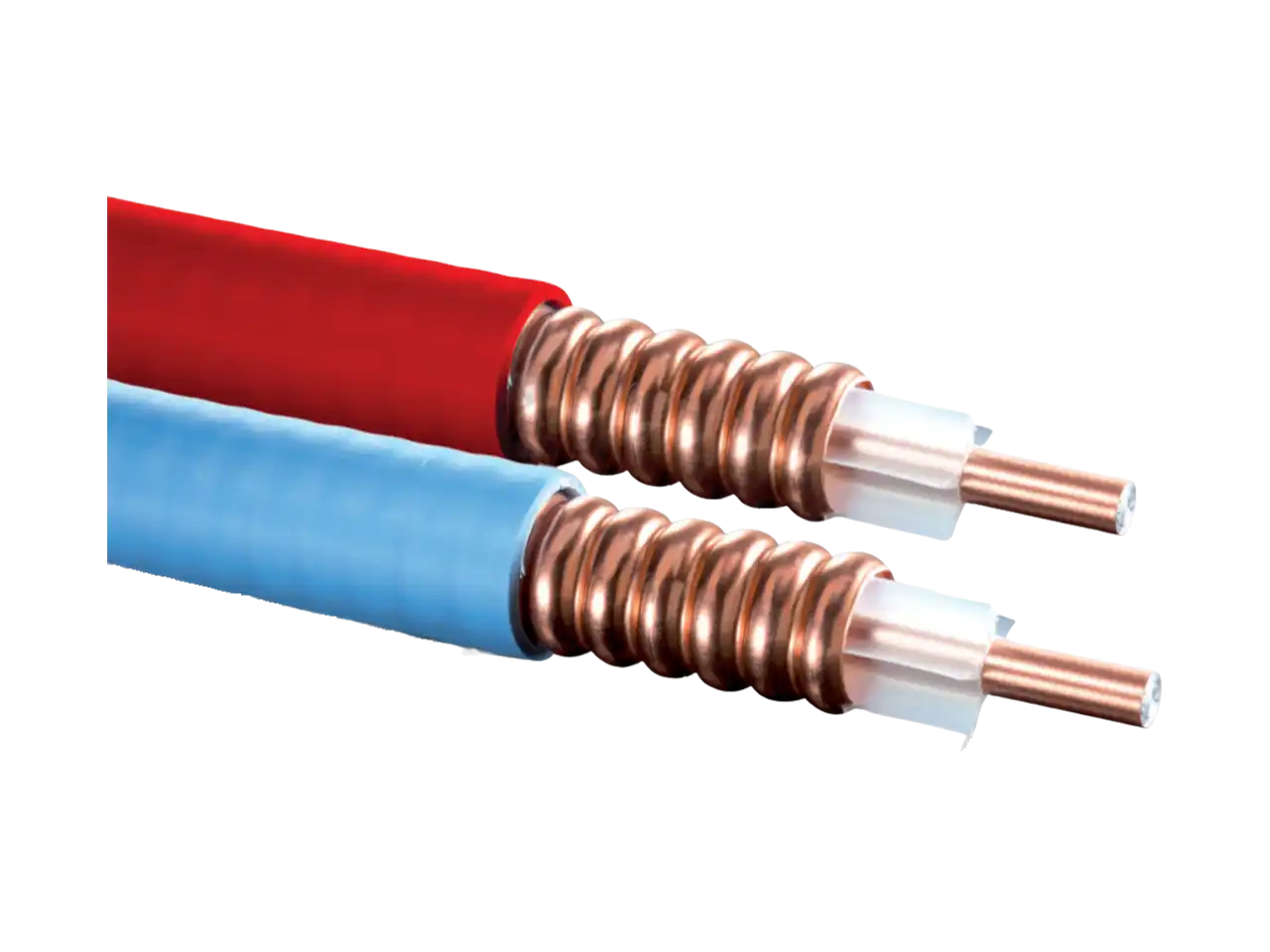
Jacket and Installation Options
HELIFLEX includes different jacket options so the cable can be aligned with the installation environment rather than treated as one fixed outdoor format. Standard outdoor versions cover typical exposed-site use, while other variants address applications where different material behavior or added surface protection is needed. This matters because outer construction affects not only cable durability, but also practical fit to the site and installation method.
Within the HELIFLEX family, jacket choices include standard outdoor PE, self-healing jacket variants, and flame-retardant halogen-free versions. These are meaningful deployment choices rather than cosmetic differences, because they influence how the line is matched to environmental exposure, installation rules, and broader site requirements. In practice, jacket selection helps the transmission path stay electrically strong while remaining suitable for the real operating environment around it.
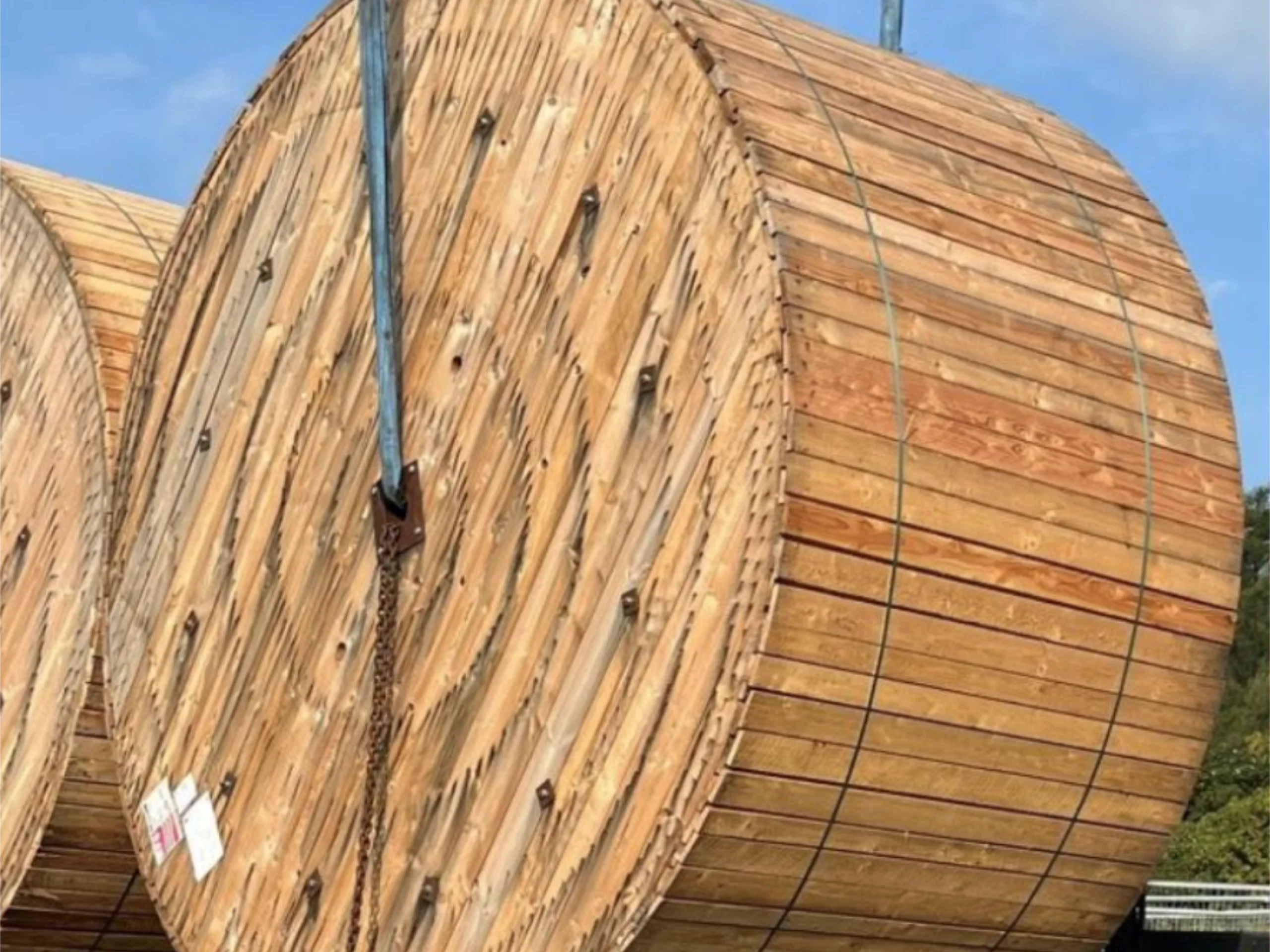
Long-Run Transmission Layouts
HELIFLEX is especially strong where the transmission path is long and uninterrupted line continuity matters. Because the cable can be supplied in long single-piece lengths on drums, it reduces the need for joins and helps simplify tower and site routing. This matters on broadcast installations because every additional junction adds mechanical work and potential electrical loss, while long continuous runs support cleaner installation and more stable long-term transmission performance.
HELIFLEX gives broadcast projects a practical alternative to rigid line when similar power handling is needed but longer route lengths and installation flexibility also matter. Long drum lengths improve transport and site logistics while reducing the number of intermediate joins in the RF path. On tall towers and large transmission sites, that becomes a practical selection factor because route continuity affects installation speed, mechanical risk, and long-term electrical stability.
HELIFLEX Core Components and Installation Hardware
HELIFLEX is more than the transmission line itself. The family is supported by the main hardware needed to connect, secure, ground, route, and maintain a high-power broadcast cable run as a complete RF path. That includes matched connectors, mechanical support hardware, grounding elements, and pressurization-related accessories for long-term outdoor operation.
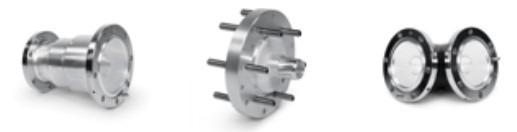
Cable Connectors
HELIFLEX connectors create the electrical interface between the air-dielectric line and the rest of the RF path. They matter because high-power broadcast transmission depends not only on the cable itself, but also on secure, low-loss, well-sealed terminations that preserve performance over time. In practice, the connector system is part of the transmission line, not a secondary add-on.
The connector range supports different HELIFLEX line sizes and common interface types used in high-power transmission paths. That gives the cable family practical flexibility at the equipment and antenna ends while keeping the line matched to broadcast-grade performance expectations. On tall sites and long runs, reliable connector execution matters because termination quality directly affects signal integrity, weather resistance, and long-term operating stability.
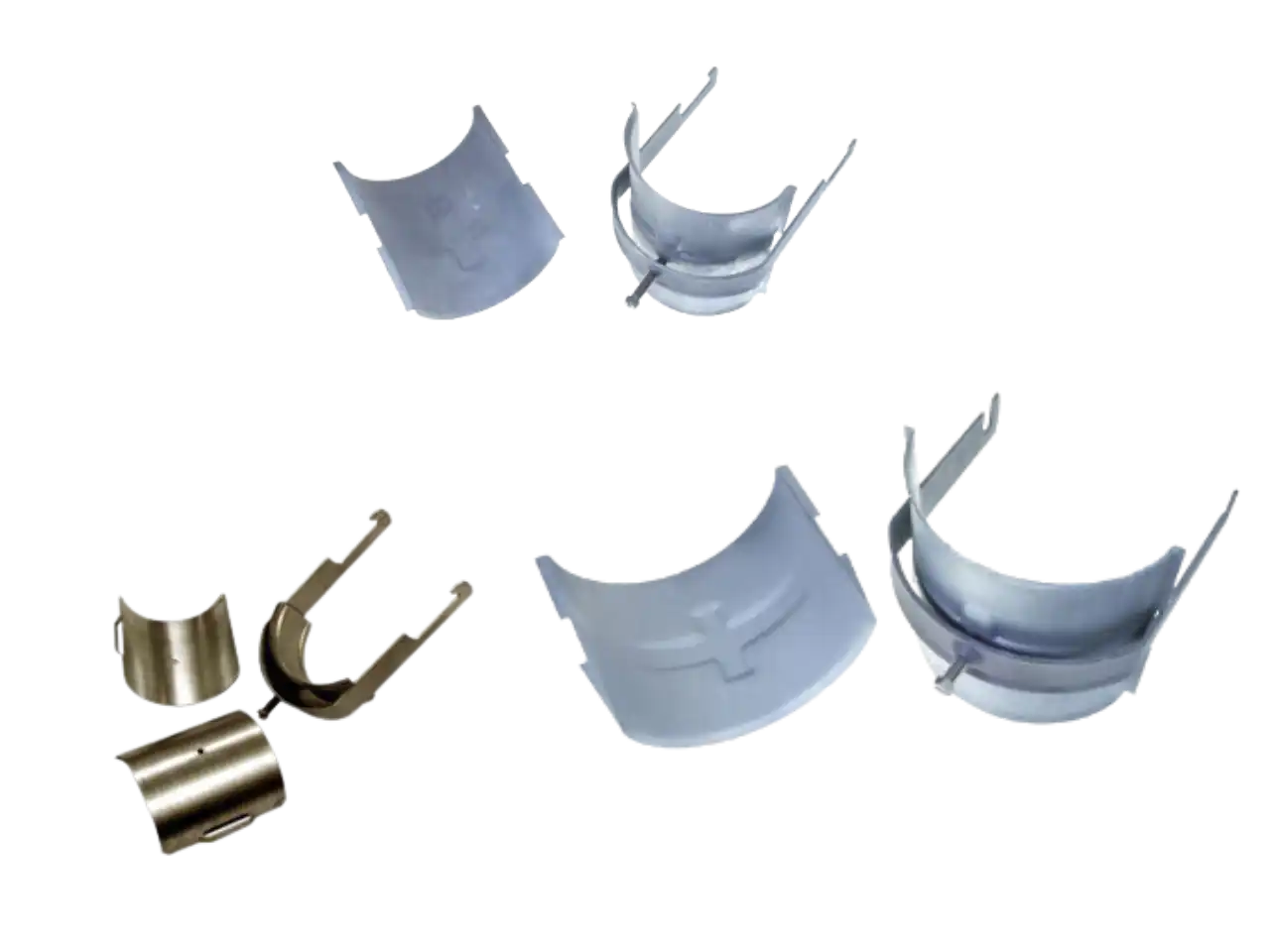
Support and Routing Hardware
Long HELIFLEX runs need mechanical support hardware that keeps the transmission path stable from installation through decades of use. Hangers, clamps, hoisting grips, and feed-through elements help secure the line, manage routing, and reduce mechanical stress on the cable and its connection points. This hardware matters because a broadcast transmission line must be mechanically controlled as well as electrically efficient.
On towers, rooftops, and transmission structures, mechanical routing quality affects both installation speed and long-term reliability. Support hardware helps maintain correct cable positioning, manage load during lifting and fixing, and create cleaner entry points where the line passes through structural boundaries. In real projects, this is what turns a long air-dielectric cable into a manageable broadcast installation rather than just a high-performance line on paper.
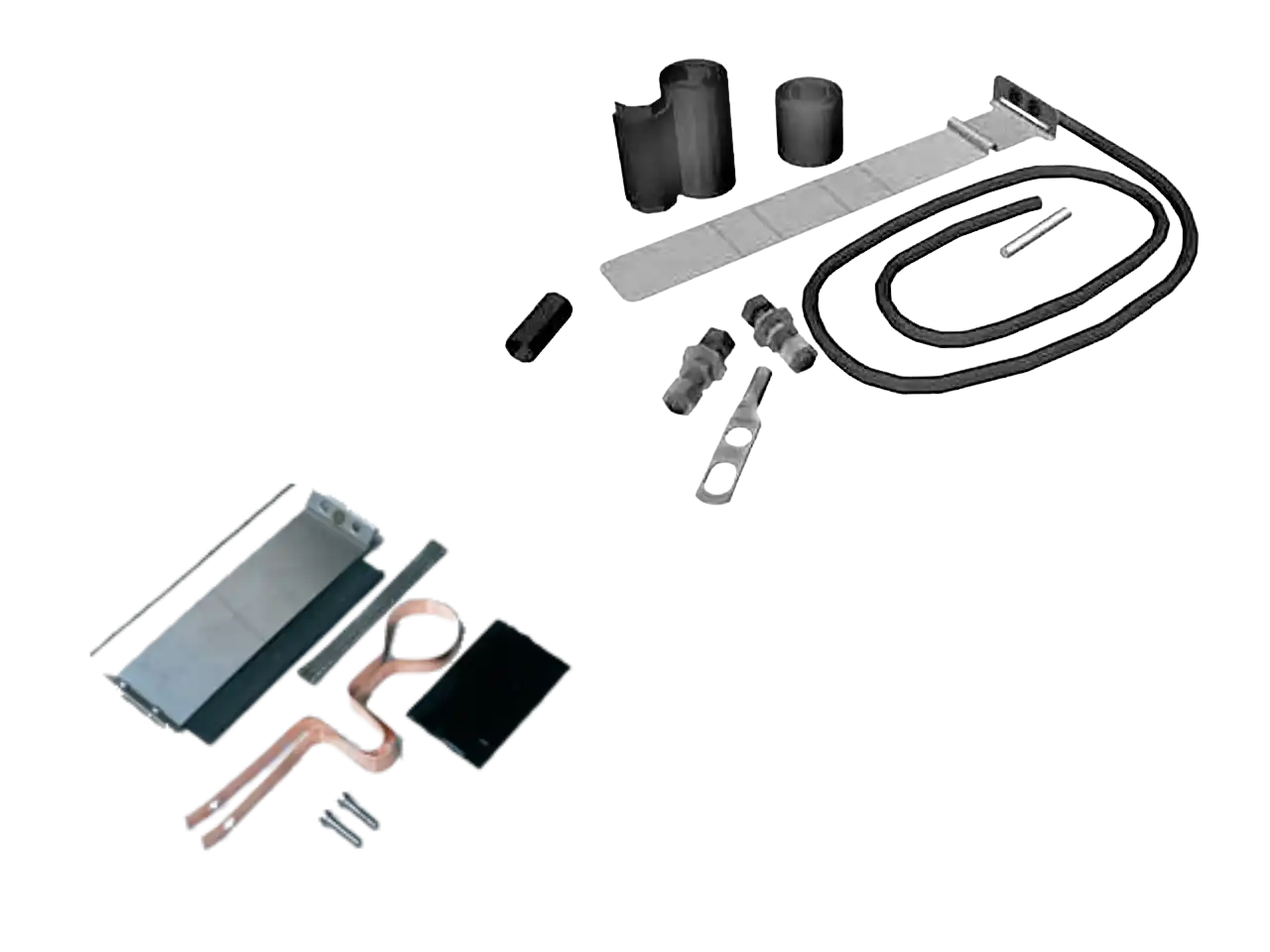
Grounding and Site Protection
Grounding hardware helps integrate HELIFLEX into the wider site protection strategy while preserving dependable RF transmission performance. Grounding kits are important because high-power outdoor installations need more than electrical efficiency alone; they also need controlled grounding points and robust installation practice throughout the cable run. This becomes especially relevant on exposed broadcast sites where the transmission line is part of critical infrastructure.
Within a complete HELIFLEX installation, grounding is not an isolated accessory choice but part of long-term operational reliability. Proper grounding hardware helps the line fit site standards, simplifies structured installation, and reduces the risk that poor field practice undermines cable performance over time. That is why grounding kits belong in the same family-level discussion as connectors and support hardware, especially for high-power outdoor broadcast deployments.
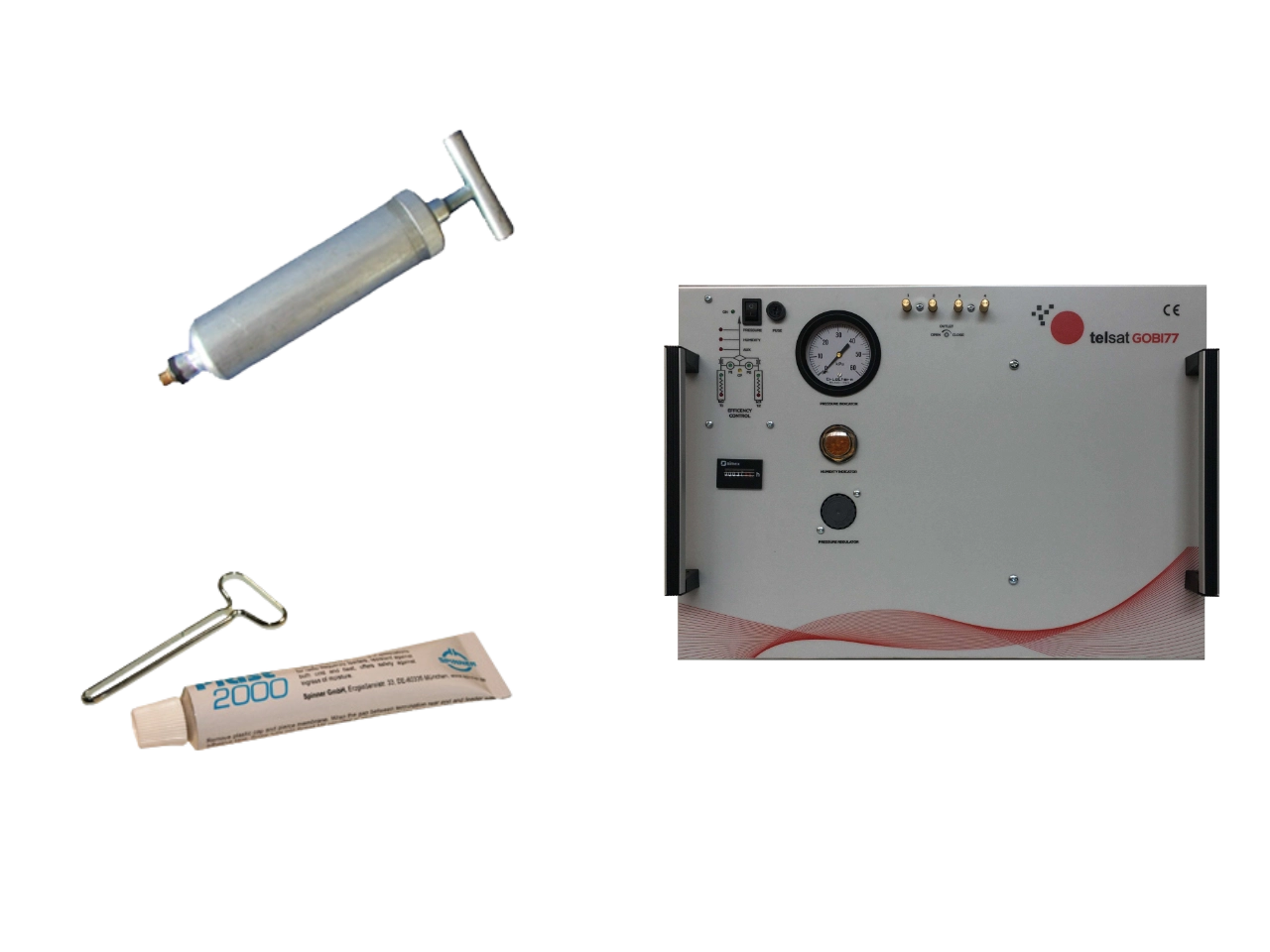
Pressurization and Service Tools
HELIFLEX air-dielectric cables installations can also rely on pressurization support and cable preparation tools to keep the transmission path deployable and maintainable over time. Dehydrators, preparation tools, and related service elements matter because high-power air-dielectric systems must be installed correctly and supported with the right maintenance approach, especially on large broadcast sites where reliability expectations are high.
Pressurization-related equipment supports the broader operating environment of the line, while preparation tools help technicians terminate and handle the cable correctly during installation and service work. Together, these elements extend the page beyond the cable reel itself and show HELIFLEX as a practical transmission-line system. That is important on brochure-level family pages, because real broadcast projects depend on installation and maintenance discipline as much as on cable specifications.
Discuss Your Broadcast Transmission Project
Discuss whether HELIFLEX is the right fit for your transmission path, line size, site routing, and supporting hardware requirements. High-power broadcast performance depends not only on low-loss cable selection, but also on how the full RF path is connected, secured, grounded, and installed across the site.