
RADIAFLEX Radiating Cables for Confined RF Coverage
RFS RADIAFLEX radiating cables are engineered for controlled RF coverage in places where conventional antenna layouts are difficult, inefficient, or hard to maintain. Instead of concentrating energy at discrete antenna points, the cable radiates and receives along its length, which makes it a practical coverage layer for tunnels, mines, transport corridors, and large indoor complexes. This architecture helps designers create more continuous, predictable coverage in long or confined spaces where line-of-sight is limited and traditional antenna spacing becomes cumbersome.
RADIAFLEX is built for modern multi-service environments. The portfolio is designed to carry commercial and mission-critical services across a wide frequency span, with selected families supporting operation up to 6 GHz and ultra-broadband designs covering key bands without the stopband limitations that complicate future upgrades. This makes RADIAFLEX relevant not only for current LTE, TETRA, WLAN, and private radio systems, but also for 4G and 5G evolution in transport and industrial environments.
The broader RADIAFLEX platform is not limited to radiating cables alone. It also includes radiating waveguide, dedicated connectors, fixing systems, and installation accessories that help turn the coverage medium into a deployable system. In practice, that matters because confined-area wireless projects are rarely about cable alone; they depend on mechanical stability, low-interference connections, fire-safe installation, and repeatable field performance over long runs.
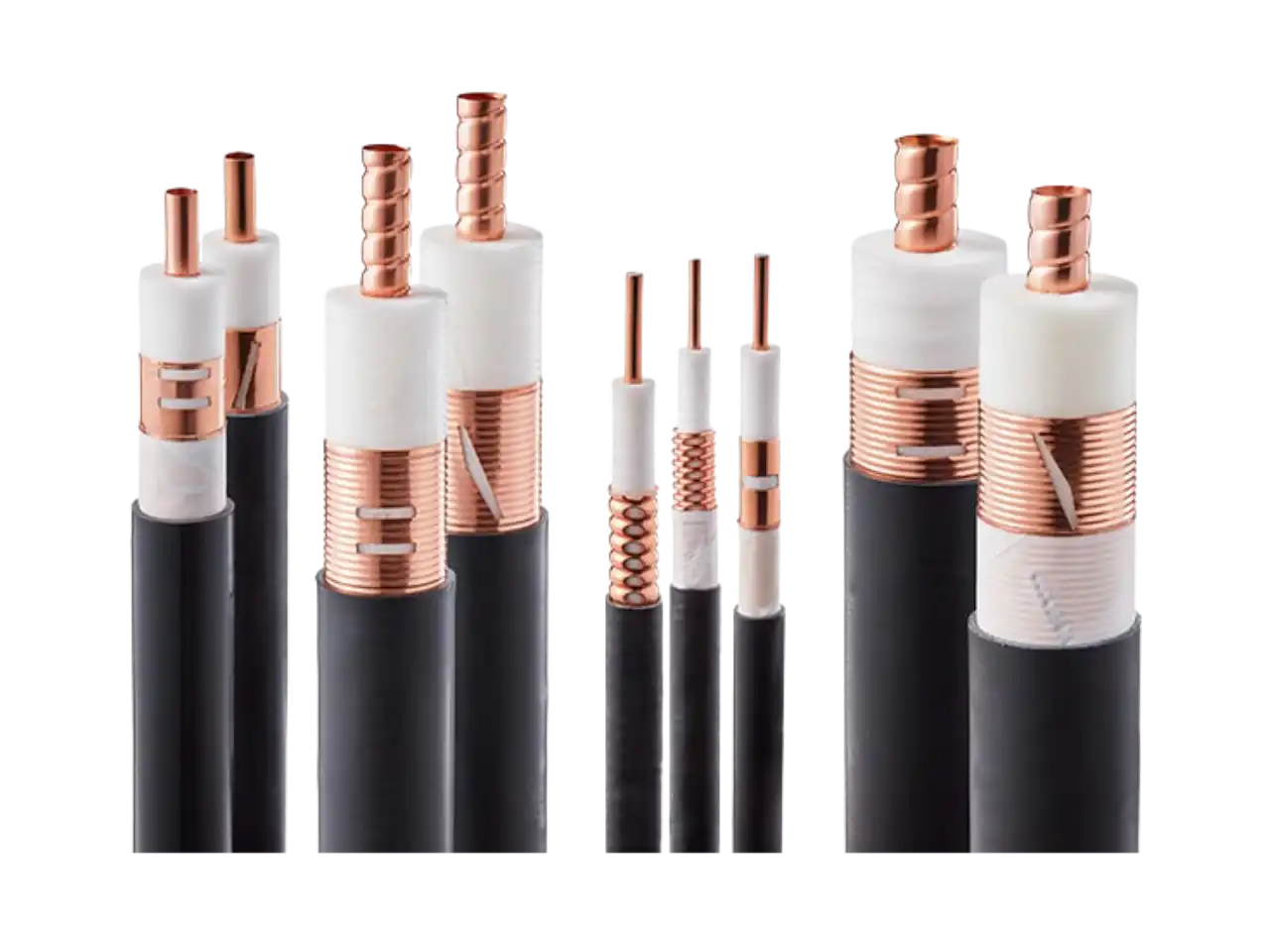
Key features for RADIAFLEX Radiating Cables
RADIAFLEX is built for confined environments where RF coverage must be continuous, scalable, and practical to deploy. The portfolio combines broadband multi-service support, strong fire-safety positioning, and a complete installation ecosystem for tunnels, mines, transport corridors, and complex indoor sites.
Continuous RF coverage in confined spaces
RADIAFLEX radiates along the cable length, making it ideal for tunnels, shafts, corridors, platforms, and other long enclosed environments where point antennas are less practical.
Broadband multi-service support
The portfolio supports a wide range of commercial and mission-critical bands, helping one coverage system handle multiple operators, standards, and future network upgrades.
Fire-safe and infrastructure-ready
RADIAFLEX is engineered for demanding indoor and underground environments, with strong fire safety performance and CPR-aligned options for modern infrastructure projects.
Complete deployment ecosystem
The solution goes beyond cable alone, with radiating cables, radiating waveguides, connectors, clamps, and accessories forming one practical installation platform.
Where RADIAFLEX fits best
RADIAFLEX is typically selected where long, confined, or complex spaces need stable wireless coverage with fewer compromises than point-antenna layouts. The family has a strong track record in transport tunnels, underground rail systems, industrial facilities, and other RF-challenging environments worldwide.
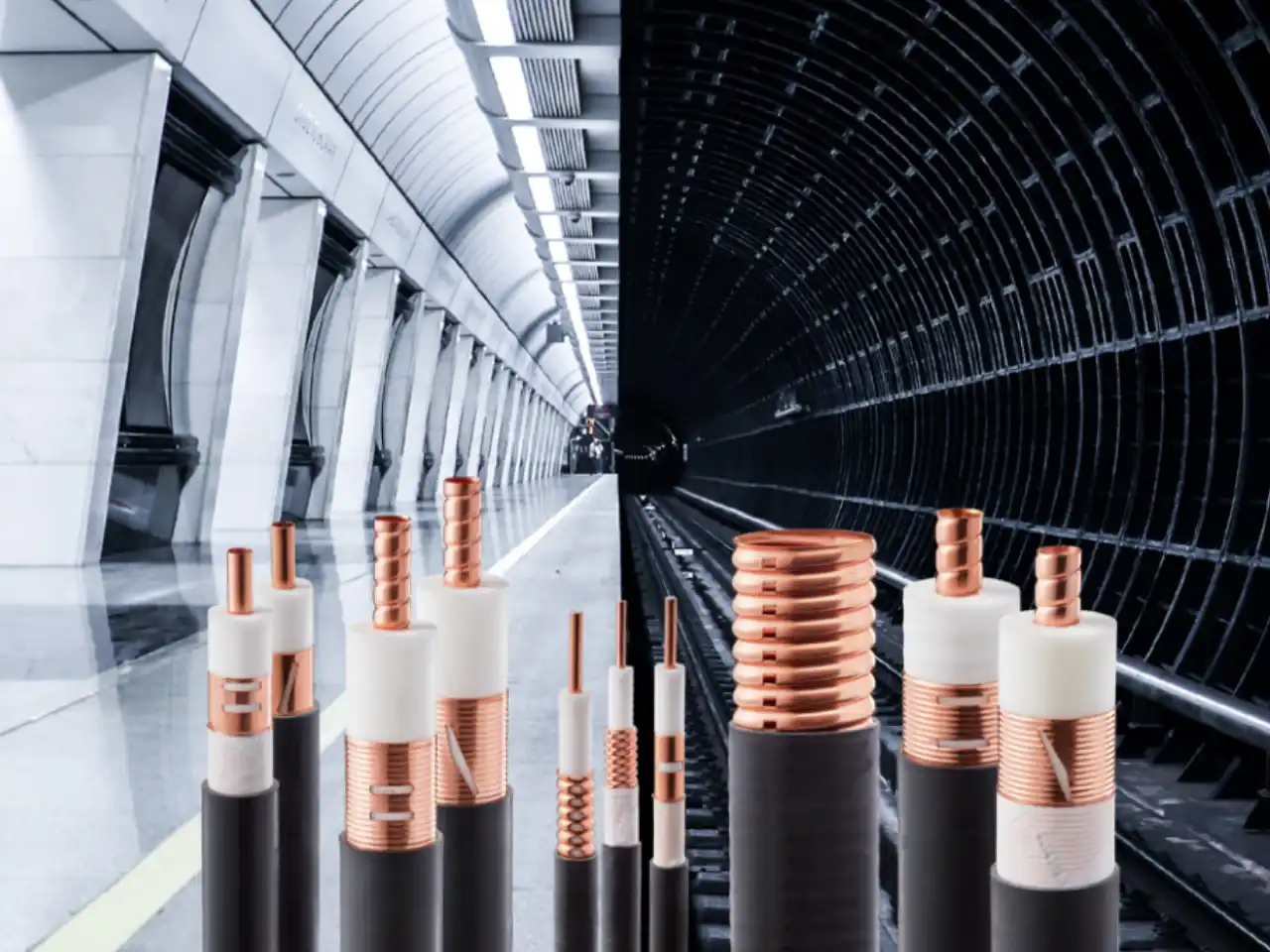
Metro and rail tunnels
RADIAFLEX is widely used in metro, subway, and rail tunnel projects where long linear coverage paths, moving vehicles, and constrained geometry make distributed antenna placement difficult. The cable-based approach helps create more continuous RF conditions along platforms, bores, service passages, and trackside corridors. It is especially relevant where multiple services must coexist, including commercial cellular, mission-critical radio, and future network upgrades. Major tunnel and rail references include Grand Paris Express, Singapore Metro, Follobanen, and New York Metro.
For higher-capacity tunnel designs, RADIAFLEX also supports MIMO-oriented deployments using matched horizontal and vertical polarization families. That makes it useful not only for baseline coverage, but also for throughput-driven underground projects where spectrum reuse and future 5G evolution matter. In practice, this is one of the clearest reasons to treat RADIAFLEX as a transport infrastructure platform rather than a niche specialty cable.
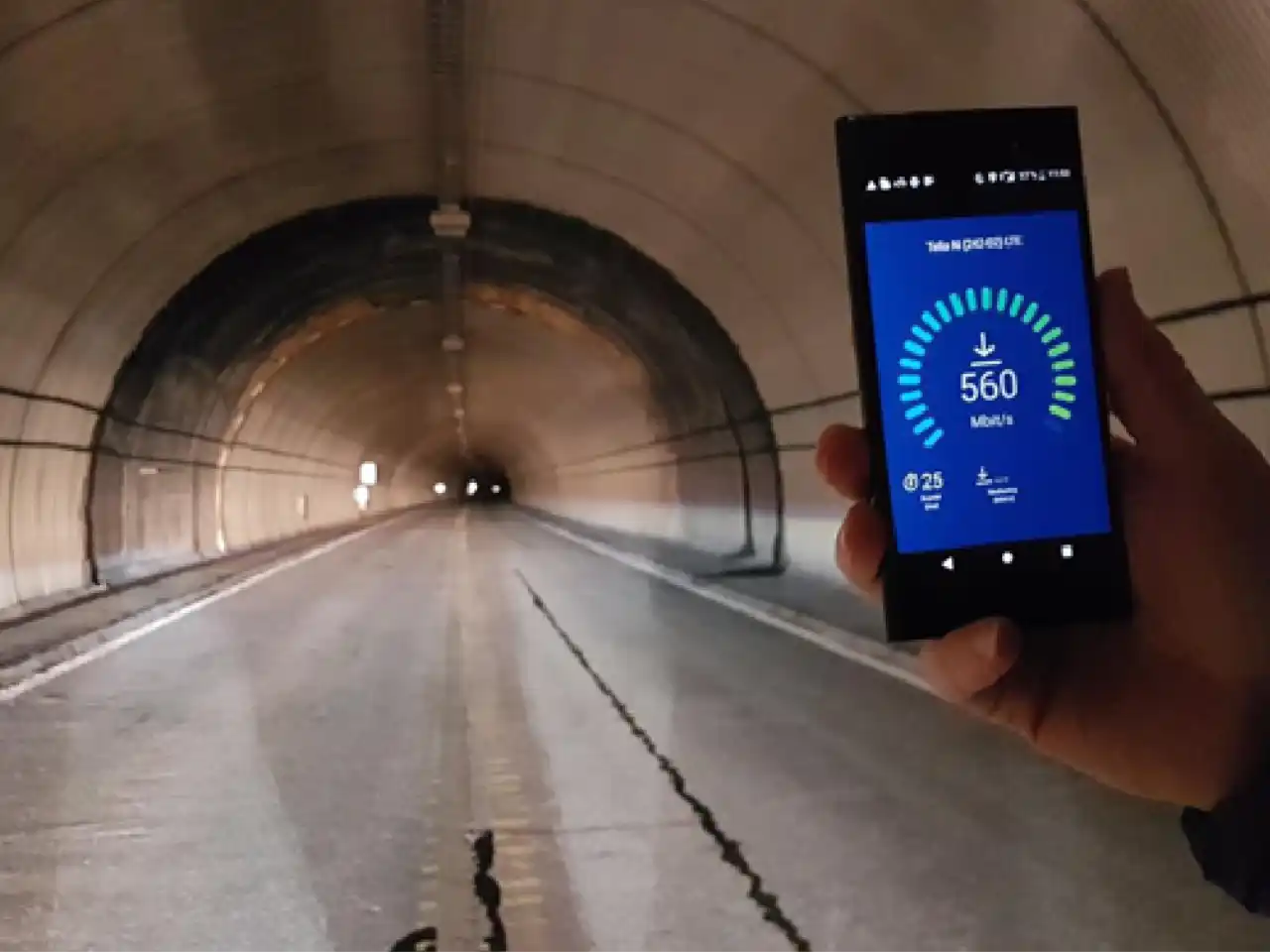
Road tunnels and smart transport corridors
Road tunnels and controlled transport corridors need reliable communications for public networks, operations, emergency services, and tunnel systems. In these spaces, radiating cable is often a better fit than conventional antenna chains because coverage follows the route itself. RADIAFLEX is therefore relevant for road tunnels, smart road infrastructure, airport transit corridors, and similar linear assets where reliability, maintainability, and fire-safe indoor installation all carry real weight.
The practical benefit is architectural simplicity. A continuous radiating medium can reduce the dependence on many discrete antenna positions and helps maintain a more consistent RF environment through curves, enclosed sections, and service zones. That is particularly important in highly reflective tunnel spaces where interference control, mechanical robustness, and installation discipline directly affect long-term performance.
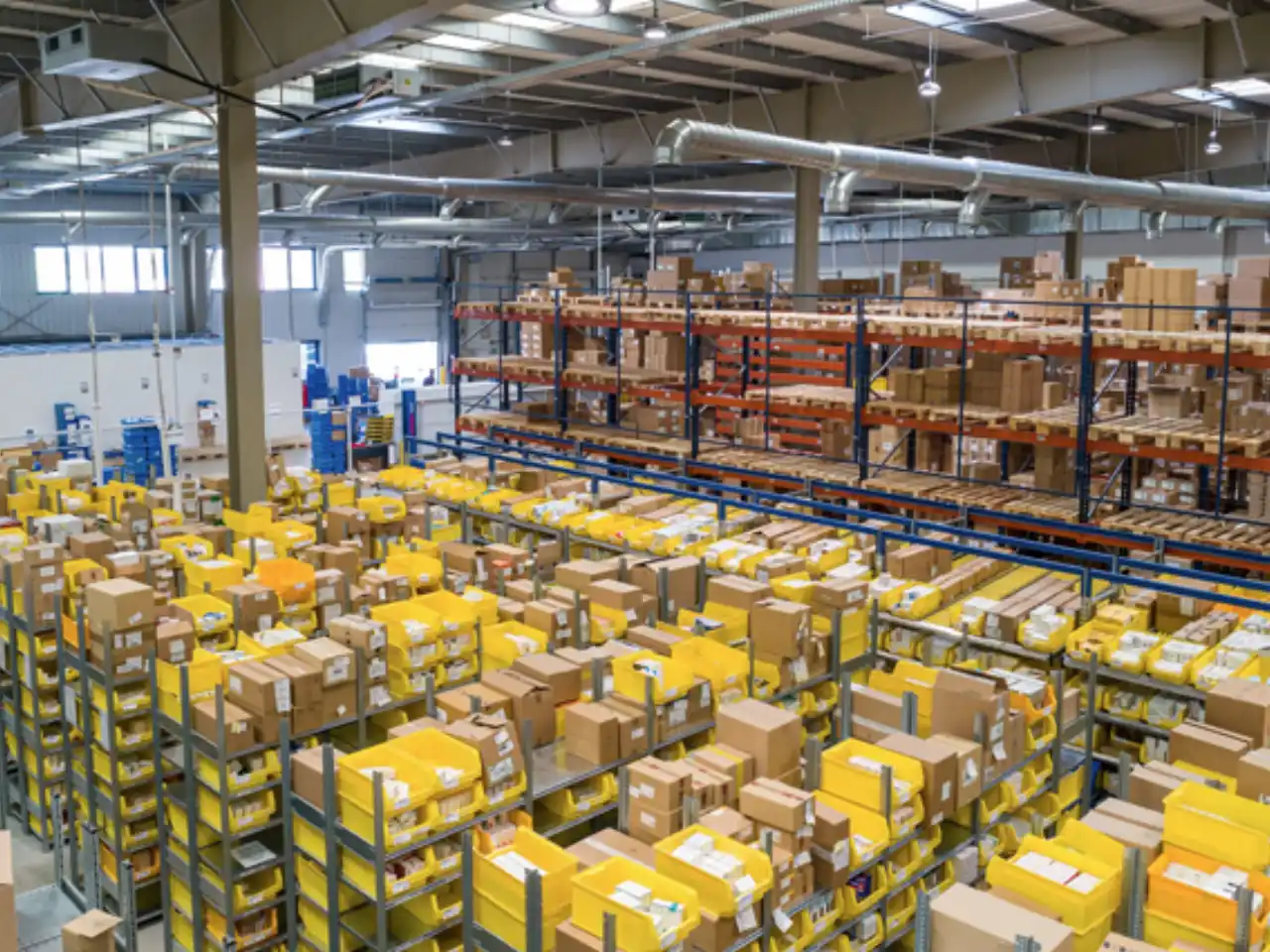
Mines, industrial sites, and large indoor complexes
RADIAFLEX also fits confined industrial and enterprise environments such as mines, warehouses, campuses, manufacturing sites, and large buildings where coverage has to pass through elongated or compartmentalized areas. Here, the value is less about headline speed and more about controllable propagation, practical installation, and the ability to support several services on one coverage backbone. The portfolio includes cable types aimed at harsh, dusty, tight-radius, and high-durability use cases.
This makes the family suitable for private wireless, operational radio, industrial mobility, and mixed-use indoor coverage where ordinary in-building antenna layouts become awkward. The broader portfolio also matters here, because connectors, clamps, and accessories influence installation speed, repeatability, and lifecycle serviceability just as much as the cable choice itself.
Core components and deployment architecture
RADIAFLEX installations depend on more than the radiating medium itself. Reliable performance comes from the combined role of the coverage element, the RF interfaces, and the mechanical installation system that keeps the solution stable in demanding environments.
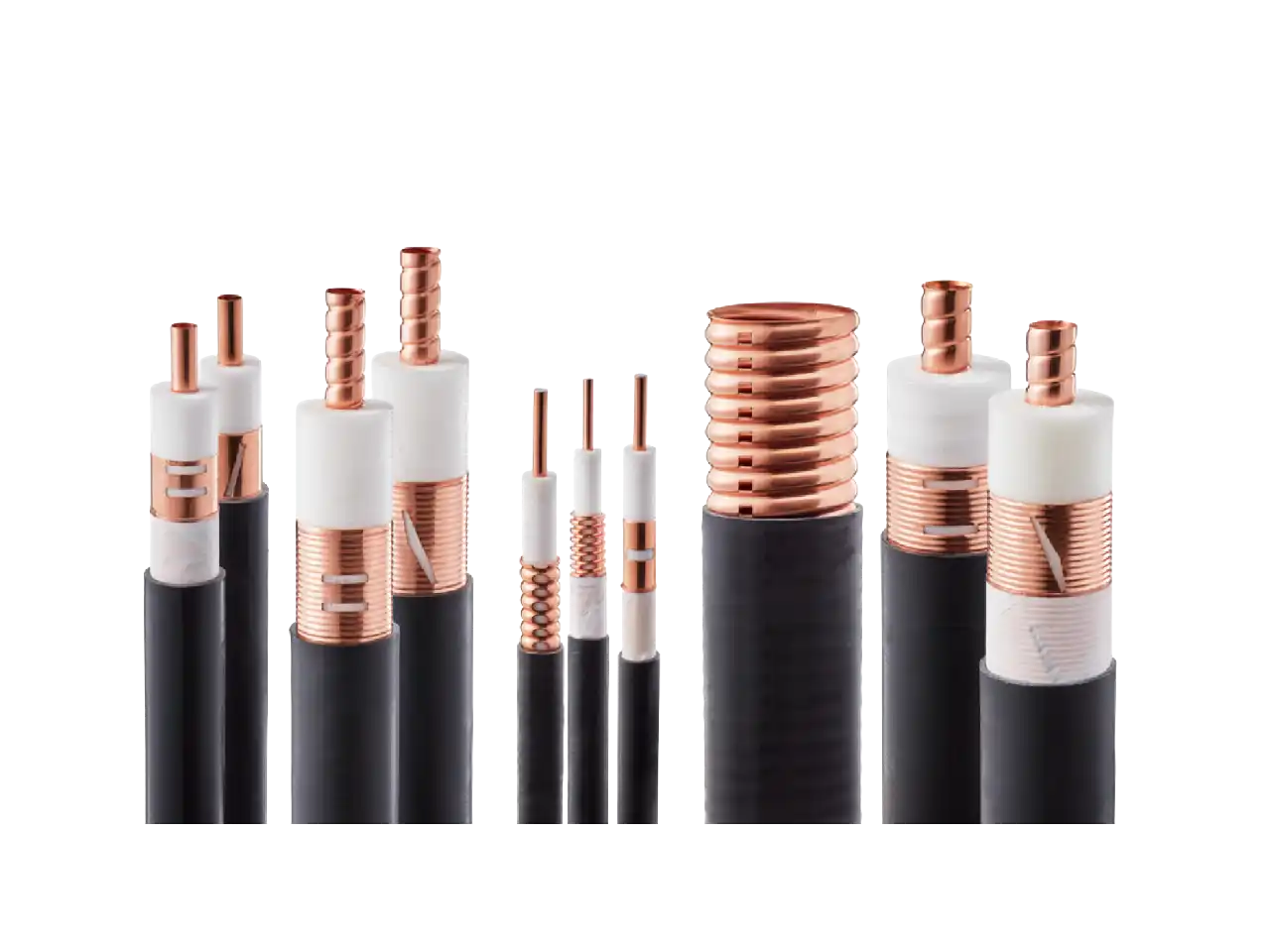
Radiating cables
Radiating cables are the primary coverage element of the system. They are designed to leak and receive RF energy along the route, making them the functional substitute for a chain of discrete antennas in long confined spaces. Different RADIAFLEX families address priorities such as broadband service support, mission-critical operation, railway use, low bending radius, and harsh-environment durability.
The choice is not only about frequency range. System design also depends on attenuation, coupling behaviour, polarization, bending requirements, and environmental conditions. Different RADIAFLEX cable types are therefore suited to different tunnel, rail, mining, and indoor applications, depending on the balance needed between bandwidth, robustness, flexibility, and future service requirements.
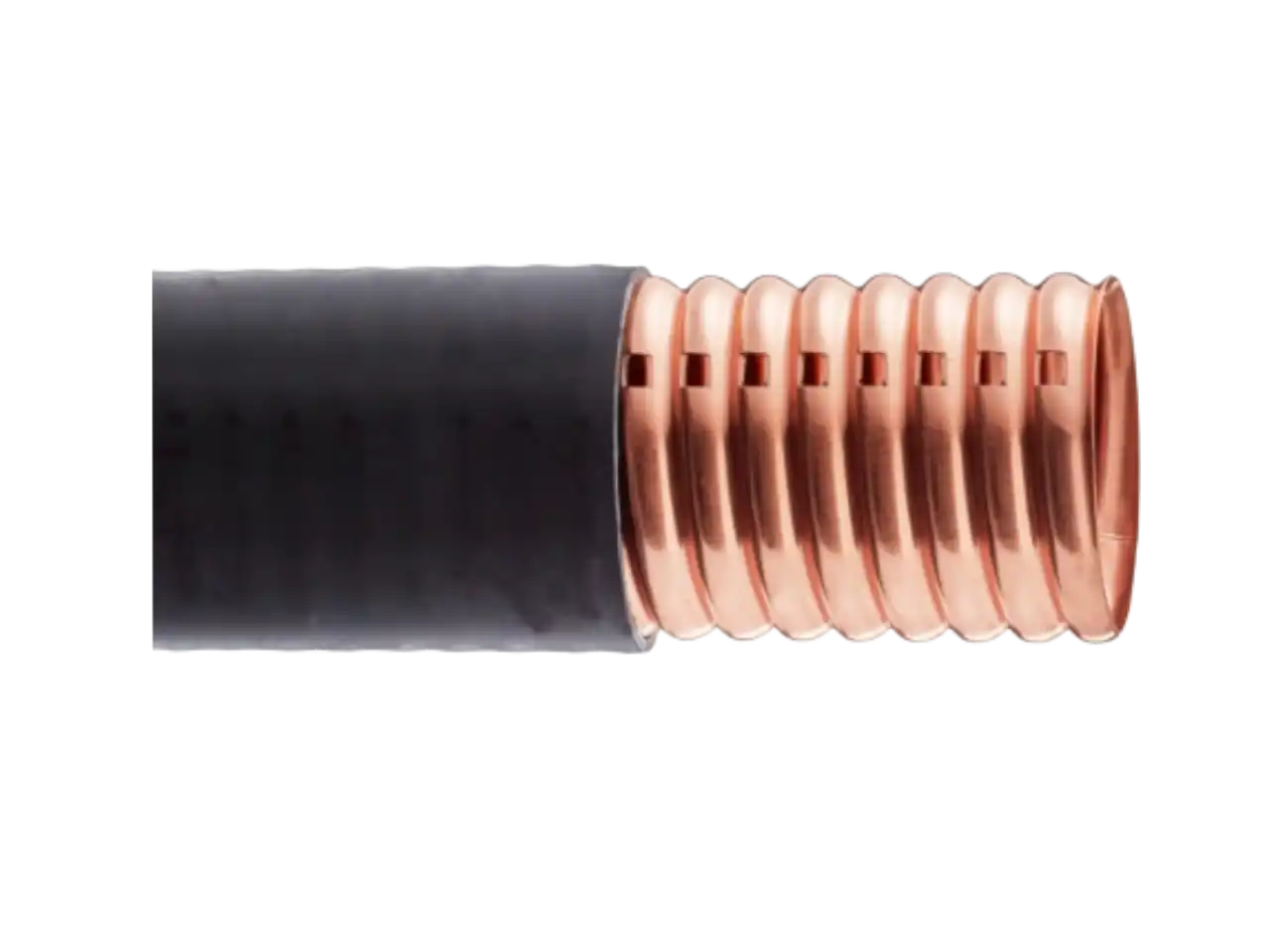
Radiating waveguides
Radiating waveguides extend the same distributed-coverage logic into applications where a waveguide-based approach is preferred. In the RADIAFLEX ecosystem they sit alongside radiating cables as another way to build continuous confined-space RF coverage with support for multiple communication services.
Radiating waveguides apply the same distributed coverage principle in a waveguide-based format. They are suited to confined environments where continuous RF coverage and support for multiple communication services are required through one infrastructure path. In the RADIAFLEX solution, they complement radiating cables for demanding tunnel and indoor coverage applications.
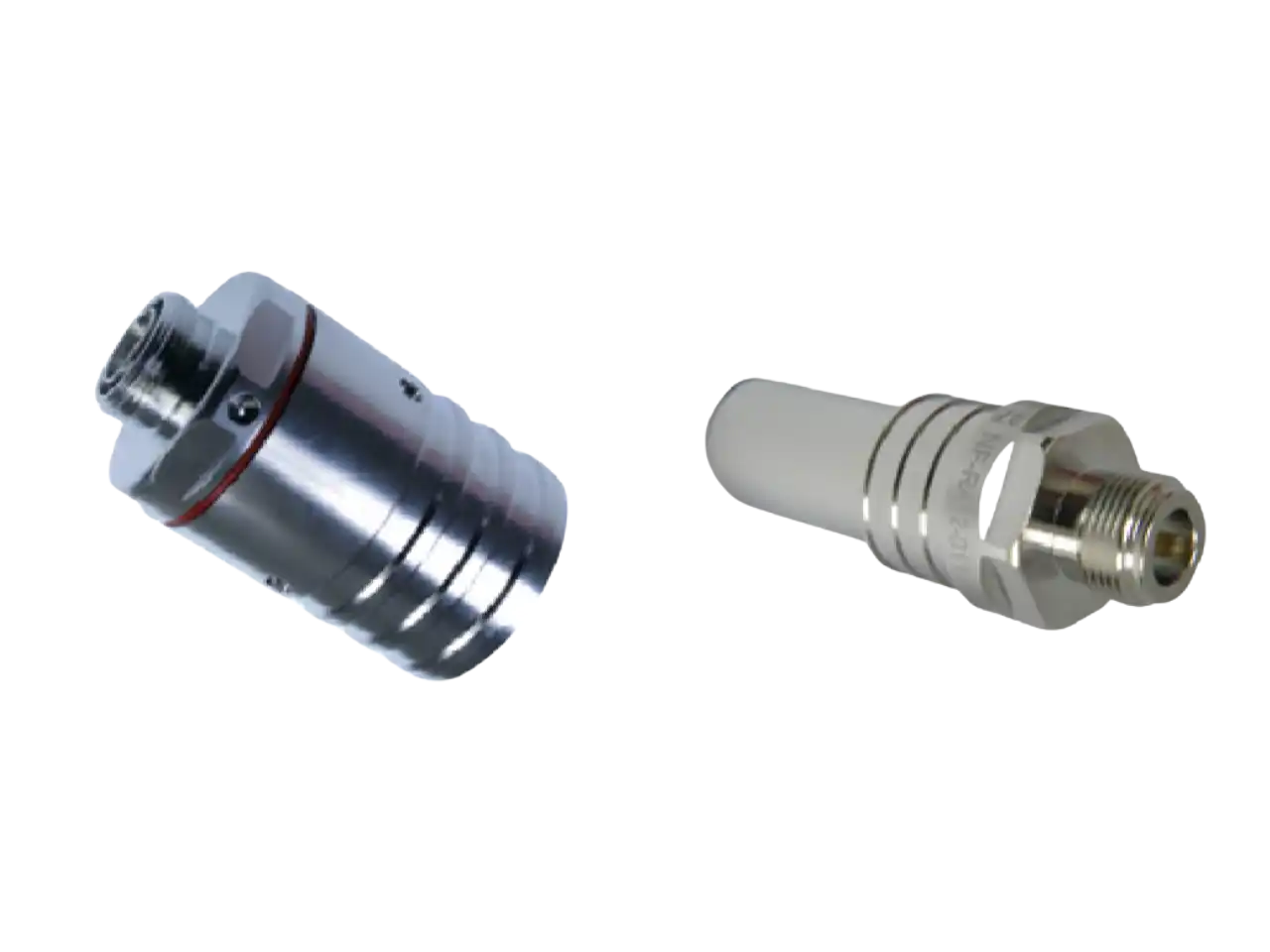
Connectors and cable interfaces
RADIAFLEX connectors are a critical part of the operating chain because the connector-to-cable interface directly affects electrical performance, installation speed, and long-term reliability. The range is built around robust mechanical attachment, low VSWR, waterproof construction, and PIM-aware performance for demanding RF environments.
This is especially important in tunnels and other reflective environments where poor RF interfaces can reduce service quality and increase maintenance risk. The main value is stable electrical performance, secure attachment, and reliable long-term operation in harsh field conditions.
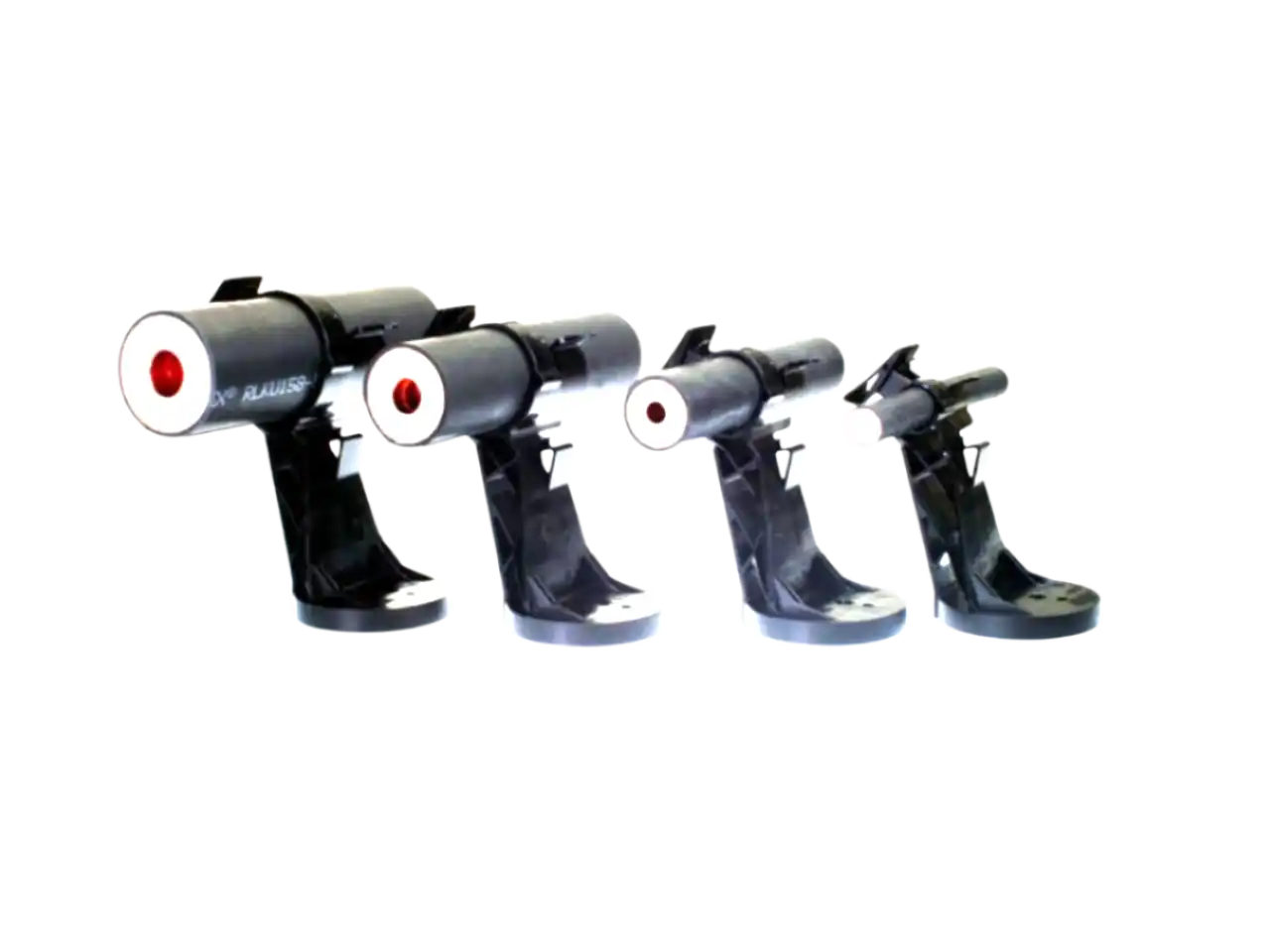
Clamps and installation hardware
The mechanical fixing system is part of the RF architecture. RADIAFLEX clamp systems are designed for safe, repeatable installation in tunnel and confined-area projects, helping maintain alignment, support fire-protection measures, and reduce installation time in difficult field conditions.
In practice, clamps do more than hold the cable in place. They influence positioning consistency, ease of deployment, and resilience in fire scenarios. The installation guidance also makes clear that cable orientation and mounting discipline matter for intended performance, which is why mechanical hardware should be presented as a functional system component rather than a minor accessory.
Need confined-space wireless coverage for a tunnel, rail, mine, or large indoor site?
We help specify the right RADIAFLEX architecture, accessories, and deployment approach for the actual environment.