
FLEXWELL Elliptical Waveguides for Microwave and Radar Links
FLEXWELL elliptical waveguides are designed for microwave transmission paths where low attenuation, stable return loss, high average power handling, and reliable long-term operation all matter at the same time. The corrugated elliptical construction combines strong electrical performance with a level of flexibility that makes transport, routing, and installation more practical than rigid waveguide in many real projects. This makes FLEXWELL a strong fit for microwave backhaul, satellite links, radar systems, and other high-frequency radio infrastructure where the transmission path must remain electrically consistent while still being manageable on towers, rooftops, shelters, and equipment sites.
The family is also supported by fixed tuned connectors, pressurization products, hangers, grounding hardware, feed-through elements, and installation tools, allowing the waveguide run to be implemented as a complete site solution rather than as an isolated line component.
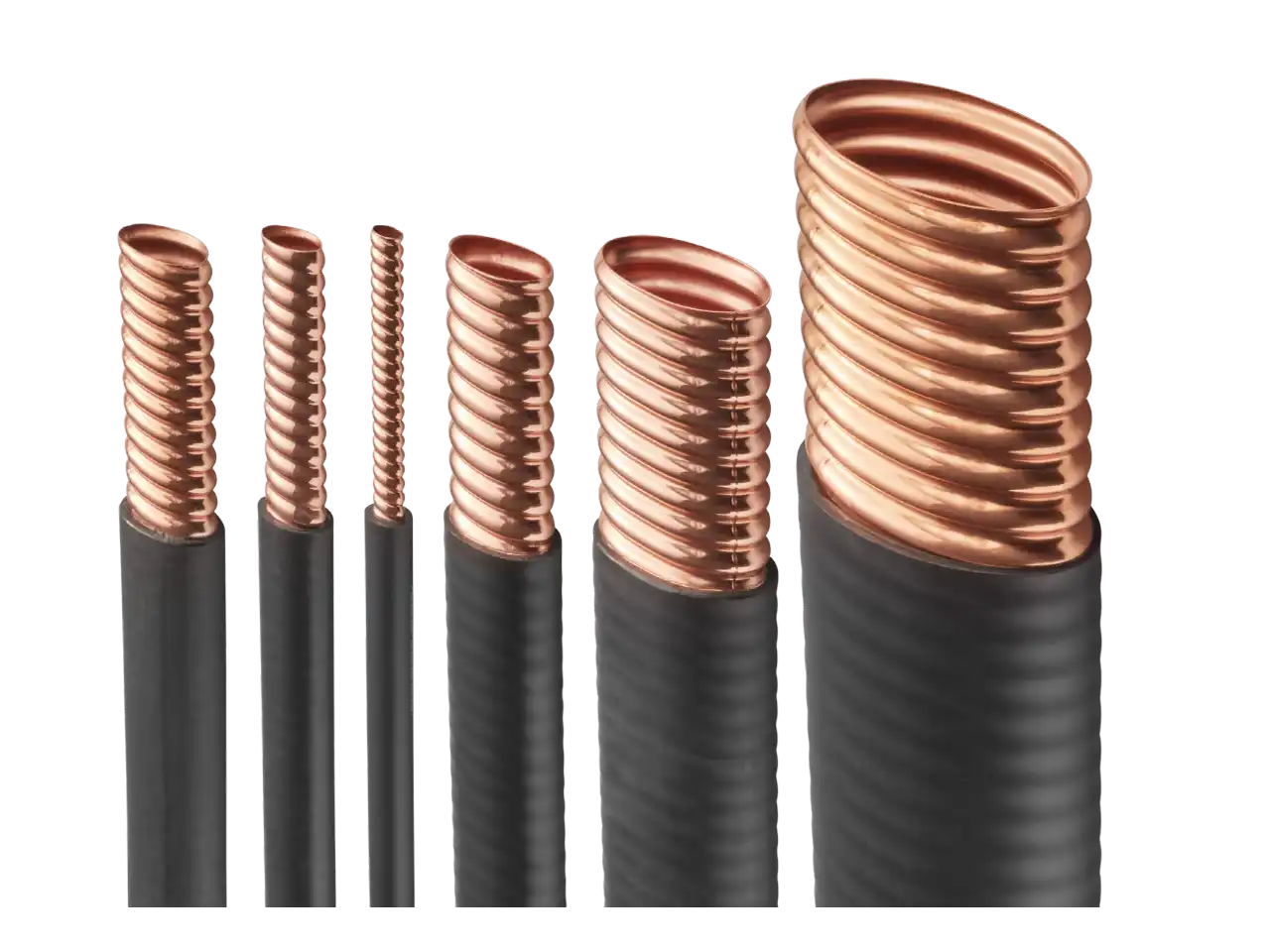
FLEXWELL elliptical waveguides – Key Features and Advantages
FLEXWELL combines waveguide-grade electrical performance with practical installation benefits that matter on real microwave, satellite, mobile backhaul, and radar sites. Its main strengths come from the corrugated elliptical construction, the continuous seam welded copper tube, and the broader site ecosystem of connectors, pressurization products, tools, and support hardware that turn the waveguide run into a complete RF transmission path.
Flexible Waveguide Construction
Corrugated elliptical design combines mechanical strength with routing flexibility that is difficult to achieve with rigid waveguide alone.
Low Loss, Strong Return Loss
Highly conductive copper construction supports low attenuation, strong return loss, and stable microwave transmission performance.
Practical for Real Site Installation
Continuous lengths in coils or on drums simplify transport, handling, and installation on towers, rooftops, and radio sites.
Fits Microwave and Radar Systems
FLEXWELL supports long haul, mobile, satellite, and radar applications across a broad microwave frequency portfolio.
Where FLEXWELL Fits Best
FLEXWELL elliptical waveguides are used across several microwave transmission environments, but the best fit is not defined by one specification alone. It depends on the combination of frequency range, routing practicality, environmental exposure, and the need for stable electrical performance over long service life. This section show the main application contexts where elliptical waveguide brings the most value without turning the page into a model-selection table.
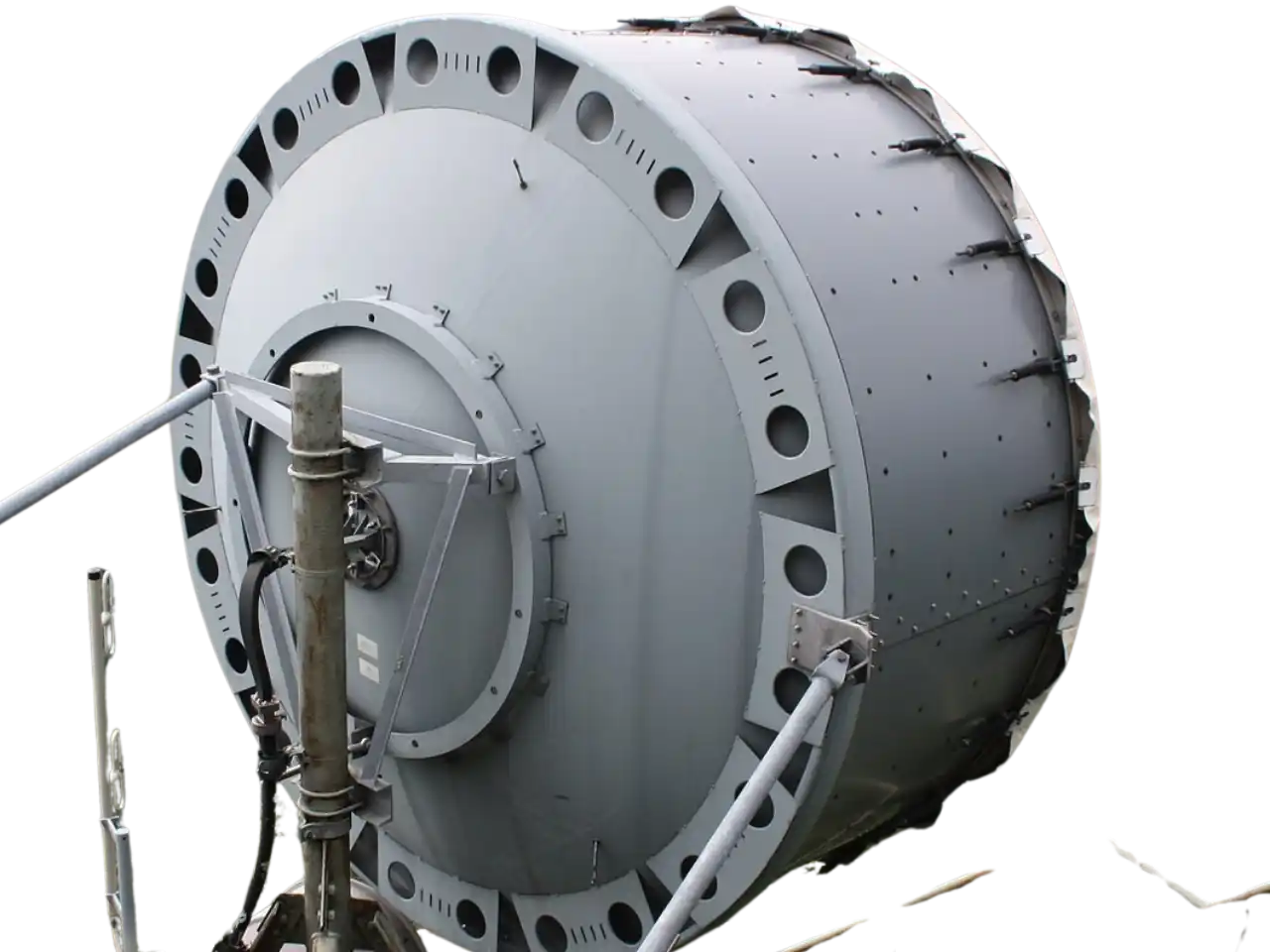
Microwave Backhaul Networks
FLEXWELL is well suited to microwave backhaul where the transmission path must combine low attenuation, strong return loss, and practical site installation. Its flexible corrugated construction helps on towers, rooftops, and long routed runs where rigid waveguide would add handling complexity. This makes it a strong fit for point-to-point links that need stable RF performance without sacrificing installation practicality.
For microwave backhaul, FLEXWELL supports a broad frequency portfolio and is available in both standard and premium families, allowing the waveguide path to be matched to link requirements without changing the overall installation logic. Continuous lengths, fixed tuned connectors, and supporting site hardware help keep the RF path electrically consistent while making transport, routing, and deployment easier on real radio sites.
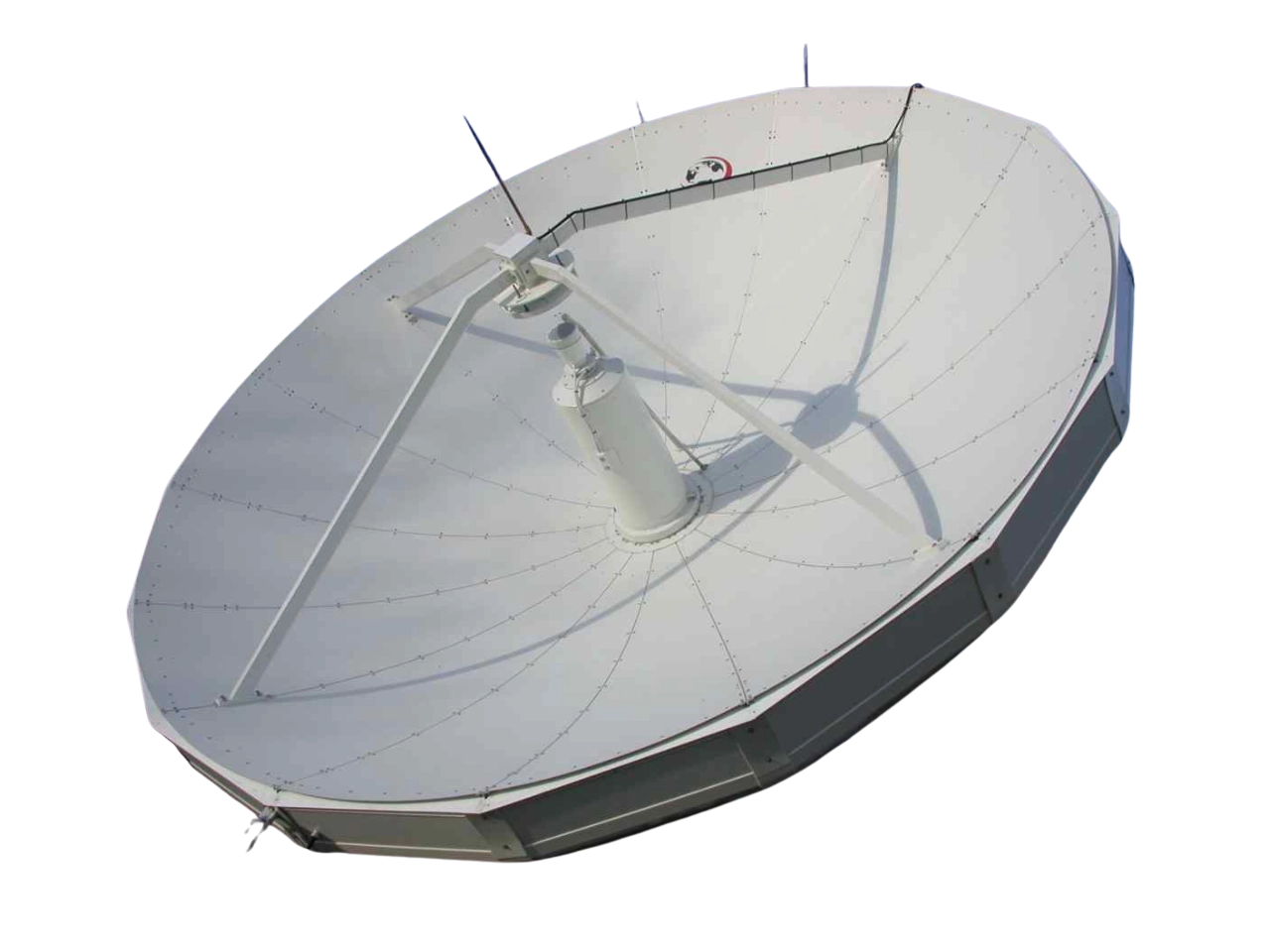
Satellite and Earth Station Links
Satellite and earth station paths benefit from waveguide that keeps loss low while remaining manageable to route and install around real structures. FLEXWELL fits this well because it combines strong electrical behavior with easier transport and handling than rigid waveguide. That matters on sites where long service life, controlled installation quality, and dependable outdoor operation are all important.
In satellite applications, the value of FLEXWELL is not only in the waveguide section itself, but in the full site path around it. Fixed tuned connectors, pressurization products, feed-through elements, grounding hardware, and tools help turn the run into a maintainable RF system rather than a standalone component. This is especially useful where the waveguide path must stay electrically stable over time and across changing site conditions.
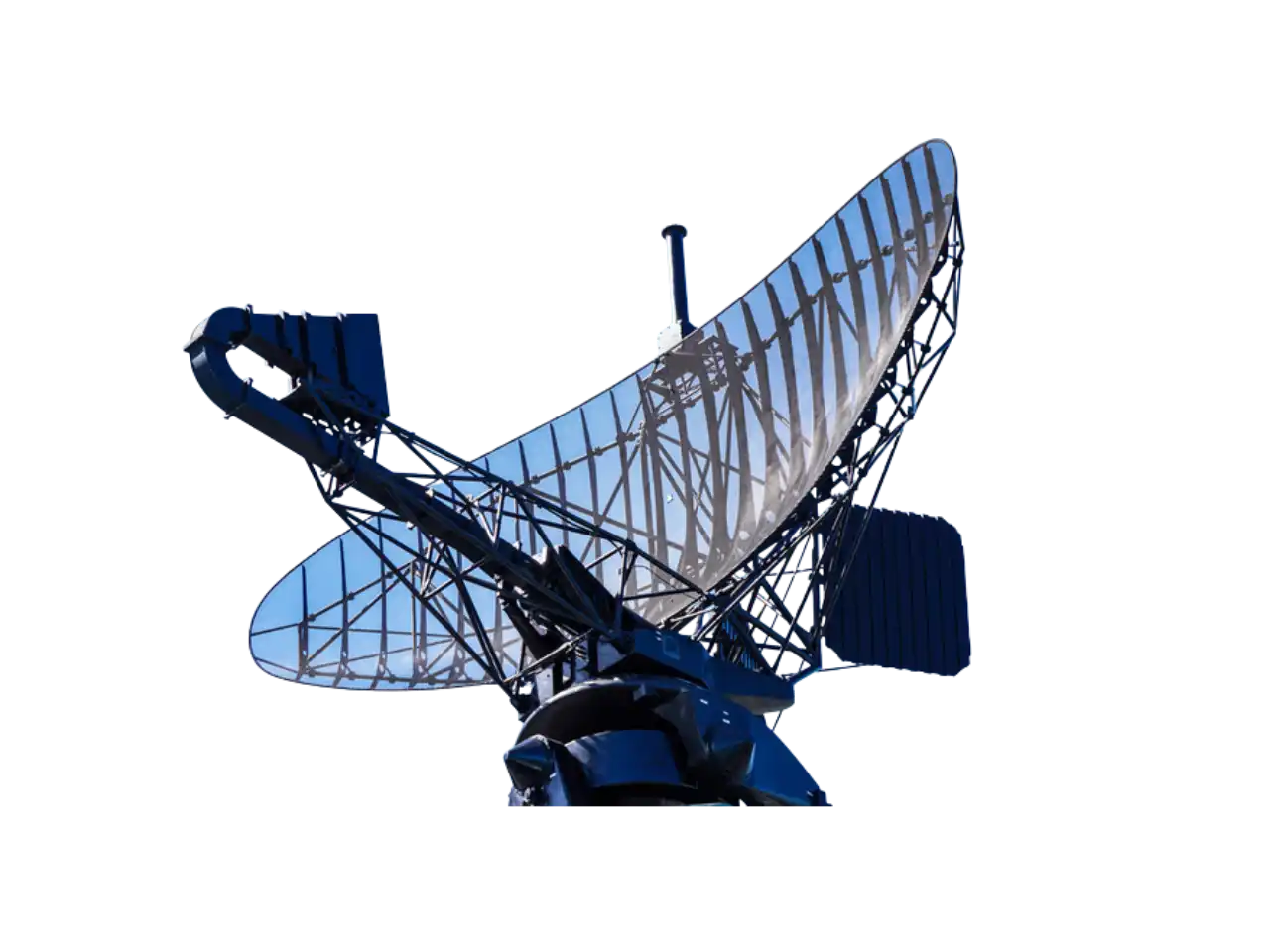
Radar and Special RF Systems
FLEXWELL is also a strong fit for radar and other specialized RF systems that require dependable microwave transmission with controlled loss and stable return loss. The elliptical waveguide design helps combine electrical consistency with installation flexibility, which is valuable on platforms and sites where rigid solutions are less practical to route or handle.
Radar and special RF systems often place high value on repeatable transmission performance, mechanical reliability, and controlled installation. FLEXWELL supports this with continuous seam welded copper construction, pressure-tested waveguides, and a broader ecosystem of connectors, pressurization equipment, and tools. Together, these features help the waveguide path function as a complete and serviceable RF link rather than just a passive connection between two points.
FLEXWELL Elliptical Waveguide Ecosystem and Site Hardware
FLEXWELL is not only the waveguide itself. Its practical value comes from the broader hardware around the transmission path, including connectors, pressurization elements, grounding, mechanical support, feed-through hardware, and installation tools. This wider ecosystem helps turn the waveguide run into a complete microwave site solution rather than a standalone RF line.
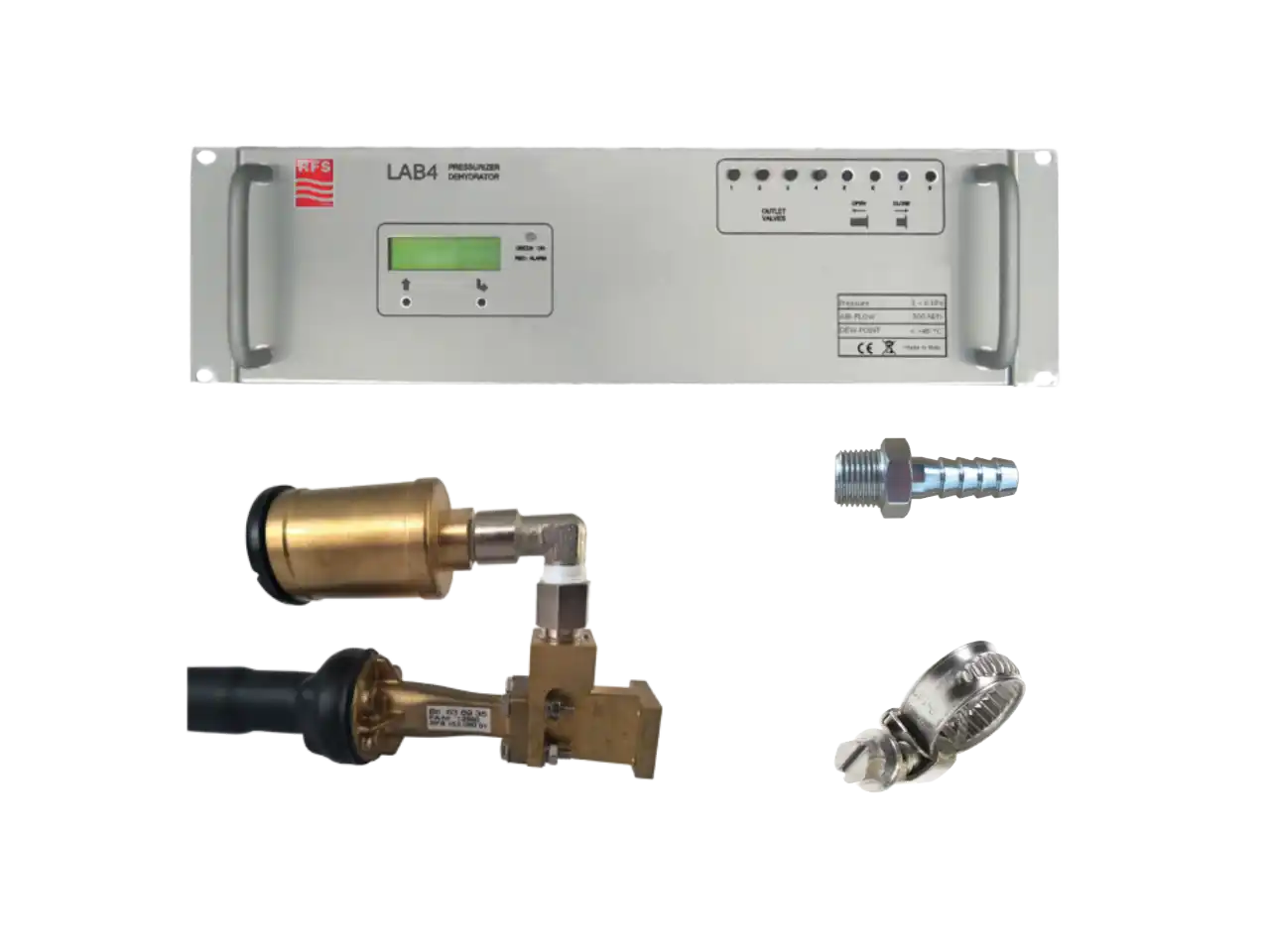
Connectors and Pressurization
FLEXWELL relies on matched connectors and pressurization-related elements to keep the waveguide path electrically stable and site-ready. These parts matter because low-loss microwave performance depends not only on the line itself, but also on how the transmission path is terminated, sealed, and maintained in operation. In practice, connector choice and pressure-related hardware are part of the RF path, not secondary accessories.
The FLEXWELL ecosystem includes fixed tuned connectors, pressure windows, shims, and related hardware across the waveguide families. Together, these elements support correct interface matching, controlled pressurized operation, and stable long-term field performance. This is especially important on microwave, satellite, and radar sites where the waveguide path must remain electrically consistent over time and under changing environmental conditions.
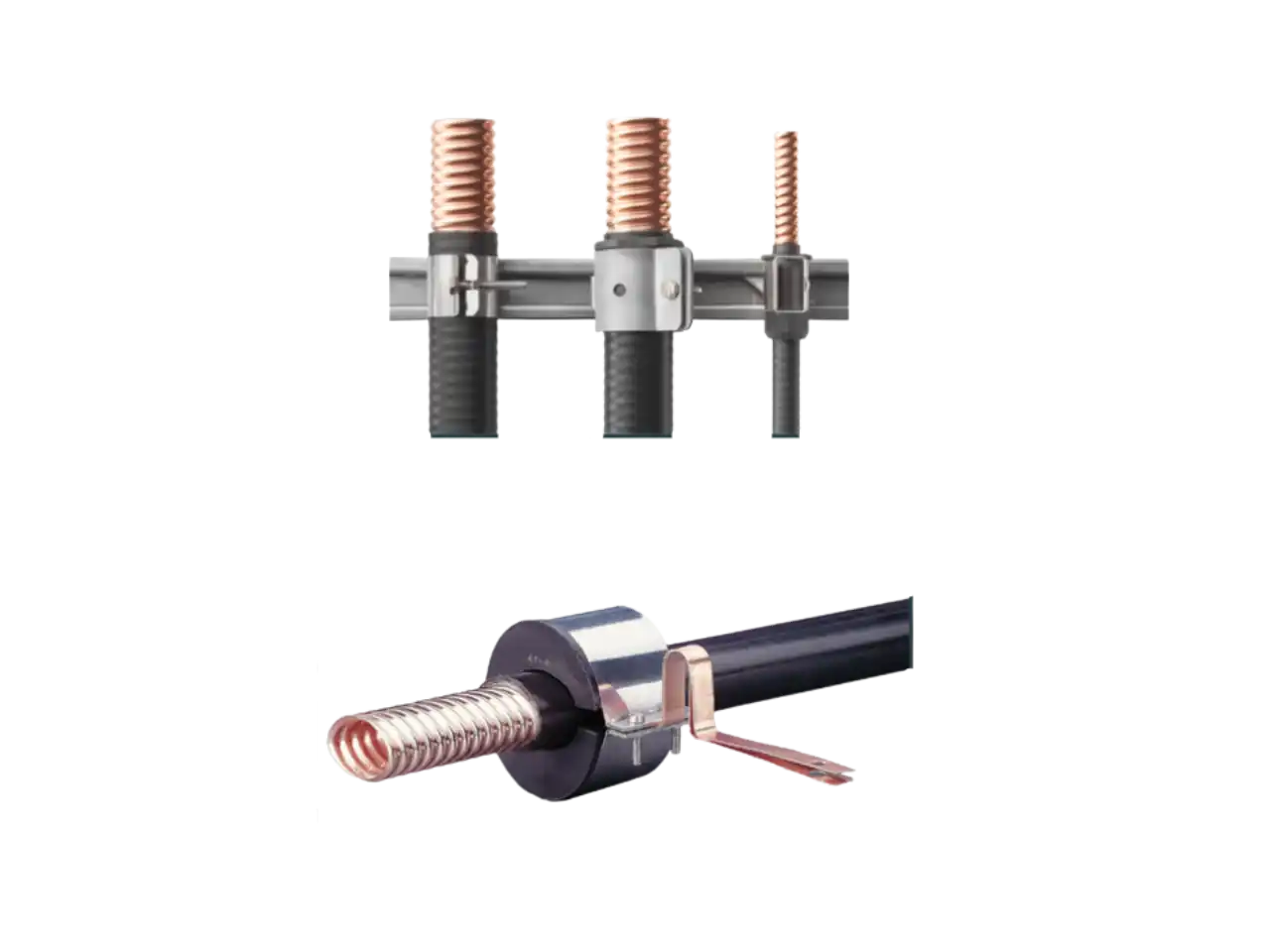
Support, Grounding and Feed-Through
Mechanical support and site integration hardware are essential to making FLEXWELL workable in real installations. Hangers, clips, grounding kits, hoisting grips, clamps, and wall or roof feed-through elements help secure the waveguide, guide its route, and integrate it cleanly into the structure around it. This matters because a microwave transmission path must be mechanically controlled as well as electrically efficient.
On towers, rooftops, and technical shelters, the physical route of the waveguide affects both installation quality and long-term reliability. Support and feed-through hardware help maintain correct positioning, protect entry points, and reduce stress on the line and its interfaces. Grounding kits also help the waveguide fit the wider site protection strategy, which is particularly relevant on exposed outdoor radio infrastructure.
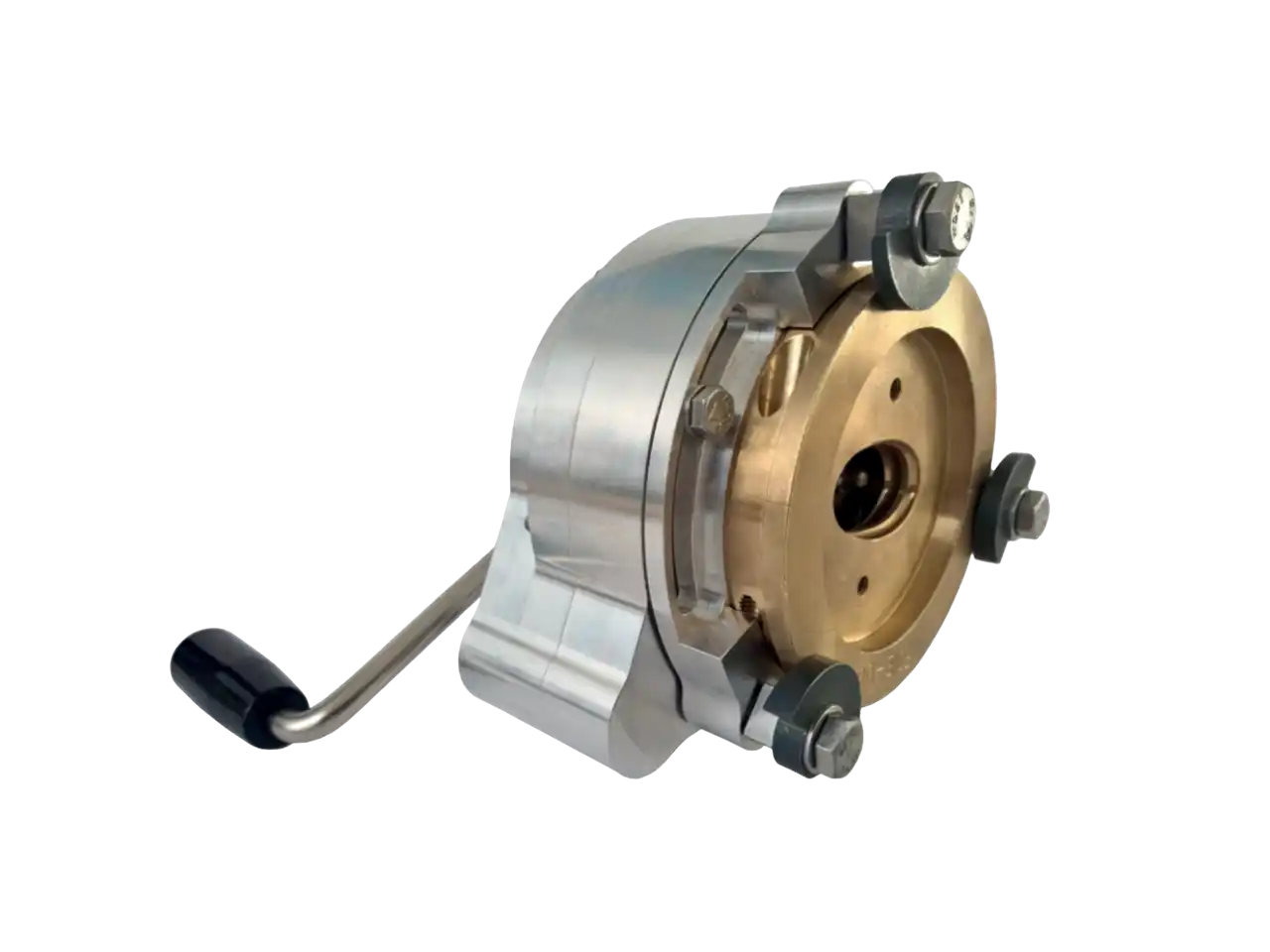
Installation Tools and Site Readiness
FLEXWELL also depends on dedicated installation tools and handling hardware to keep deployment controlled from first routing to final termination. Flanging tools, dies, hoisting grips, and related items matter because microwave waveguide performance can be undermined by poor field handling even when the line itself is electrically strong. Good site readiness is therefore part of the solution, not an afterthought.
The wider FLEXWELL system includes compact and basic flanging tools, matching dies for different sizes, and hoisting grips for safe routing and pulling. These elements help technicians prepare the line correctly, reduce handling risk during installation, and keep the finished RF path consistent with the design intent.
Discuss Your Microwave, Satellite, or Radar Link Project
Discuss whether FLEXWELL is the right fit for your frequency range, site routing, environmental exposure, and supporting hardware requirements. Microwave transmission performance depends not only on the waveguide itself, but also on how the full path is connected, pressurized, supported, grounded, and installed across the site.