
Passive RF Components for DAS and Indoor Distribution
Passive RF components are a core part of DAS and indoor distribution systems where signal paths must be split, coupled, terminated, and delivered to the right coverage zones with stable multiband performance. In these networks, the passive layer helps determine how evenly RF power is distributed through the building or site, which directly affects coverage consistency, signal balance, and upgrade flexibility. RFS indoor passive solutions and antennas are positioned around broadband operation, with support extending up to 6 GHz in the broader DAS offering.
The solution combines passive RF components and indoor antennas into one indoor distribution architecture. This is useful in DAS and in-building wireless systems where signal splitting, coupling, termination, and antenna performance must work together across multiple services and frequency bands. It is particularly relevant where one infrastructure must support commercial cellular, private wireless, and other indoor communications services in a controlled and scalable way.
Typical application areas include campuses, city infrastructure, data centers, manufacturing sites, mines, oil platforms, rail tunnels, ships, smart roads, stadiums, and warehouses. These are the kinds of environments where indoor or semi-confined coverage often depends on a well-structured passive layer rather than antennas and cable runs chosen in isolation. The application examples shown for DAS use cases also point in this direction.
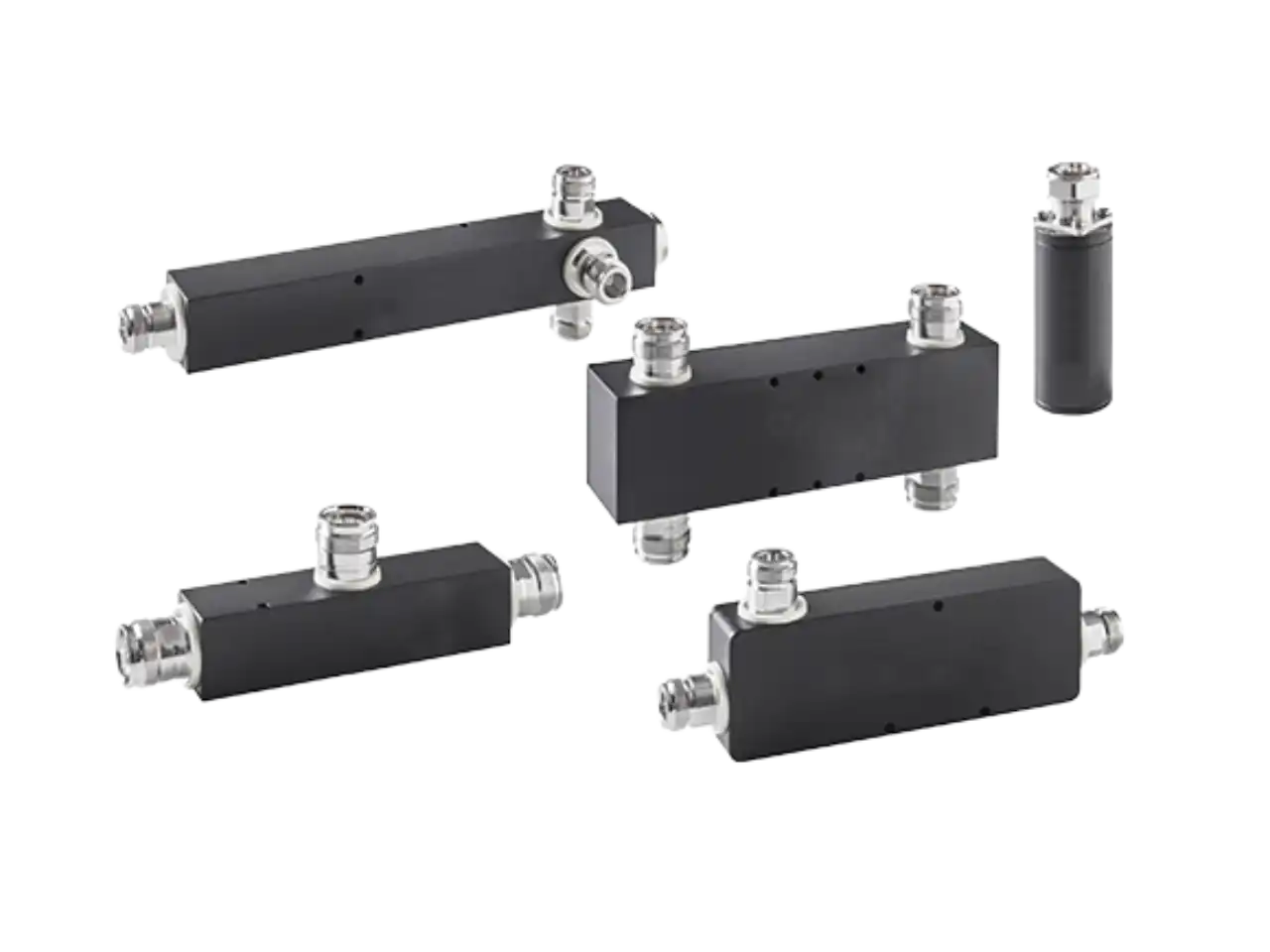
Key features and advantages
These passive RF building blocks help create indoor coverage systems where multiband support, controlled signal distribution, and antenna performance must work together across one coherent DAS or in-building architecture.
Broadband multiband support
Supports indoor systems that carry multiple bands and services through one passive RF layer.
Low-PIM indoor performance
Helps maintain cleaner indoor DAS performance where several services share the same infrastructure.
Controlled signal distribution
Couplers, splitters, and terminations help route RF power through the site in a structured way.
Built for complex indoor sites
Suited to large buildings, technical facilities, and other environments with demanding indoor coverage needs.
Typical solution areas
Passive RF components are used where indoor and semi-confined wireless coverage must be distributed in a controlled way across multiple zones, services, and frequency bands. They are especially relevant where coverage quality depends on a stable passive layer between the signal source and the indoor antenna network.

Large buildings and campus environments
In campuses, large commercial buildings, public facilities, and similar multi-zone sites, passive RF components help distribute signal across floors, wings, service areas, and common spaces. This makes them useful where coverage must be extended in a structured way instead of relying on outdoor signal penetration alone.
The main value in these environments is controlled signal routing. Couplers, splitters, loads, and indoor antennas help define how RF energy is shared across the building, which supports more even indoor coverage and makes later expansion easier when services or coverage priorities change.

Industrial and technical sites
Manufacturing plants, data centers, warehouses, mines, oil platforms, and transport-related facilities often need indoor wireless coverage in spaces that are long, segmented, equipment-dense, or structurally difficult. In these cases, passive RF distribution helps extend service deeper into the site through a more deliberate indoor architecture.
These environments often place more emphasis on signal balance, durability, and practical installation than on appearance alone. A well-chosen passive layer helps support indoor antennas in plant rooms, technical corridors, storage zones, and operational areas where coverage gaps can affect both day-to-day use and critical communications.

Transport, public venues, and mixed-use infrastructure
Rail tunnels, ships, stadiums, city infrastructure, and other public or mixed-use sites can also benefit from passive indoor distribution where several services need to be brought through one structured RF layer. This is relevant where coverage must be carried through enclosed paths, large interior volumes, or shared infrastructure.
In these projects, passive RF components help create a more predictable path from the source equipment to the indoor antenna layer. That is useful where multiple zones, service types, or operator requirements have to be handled within the same physical environment and where future changes should remain manageable.
Core components for indoor RF distribution
Indoor DAS and in-building RF networks depend on several passive building blocks working together. The exact mix varies by project, but the core task remains the same: route, divide, control, and deliver RF energy to the antenna layer with stable performance.
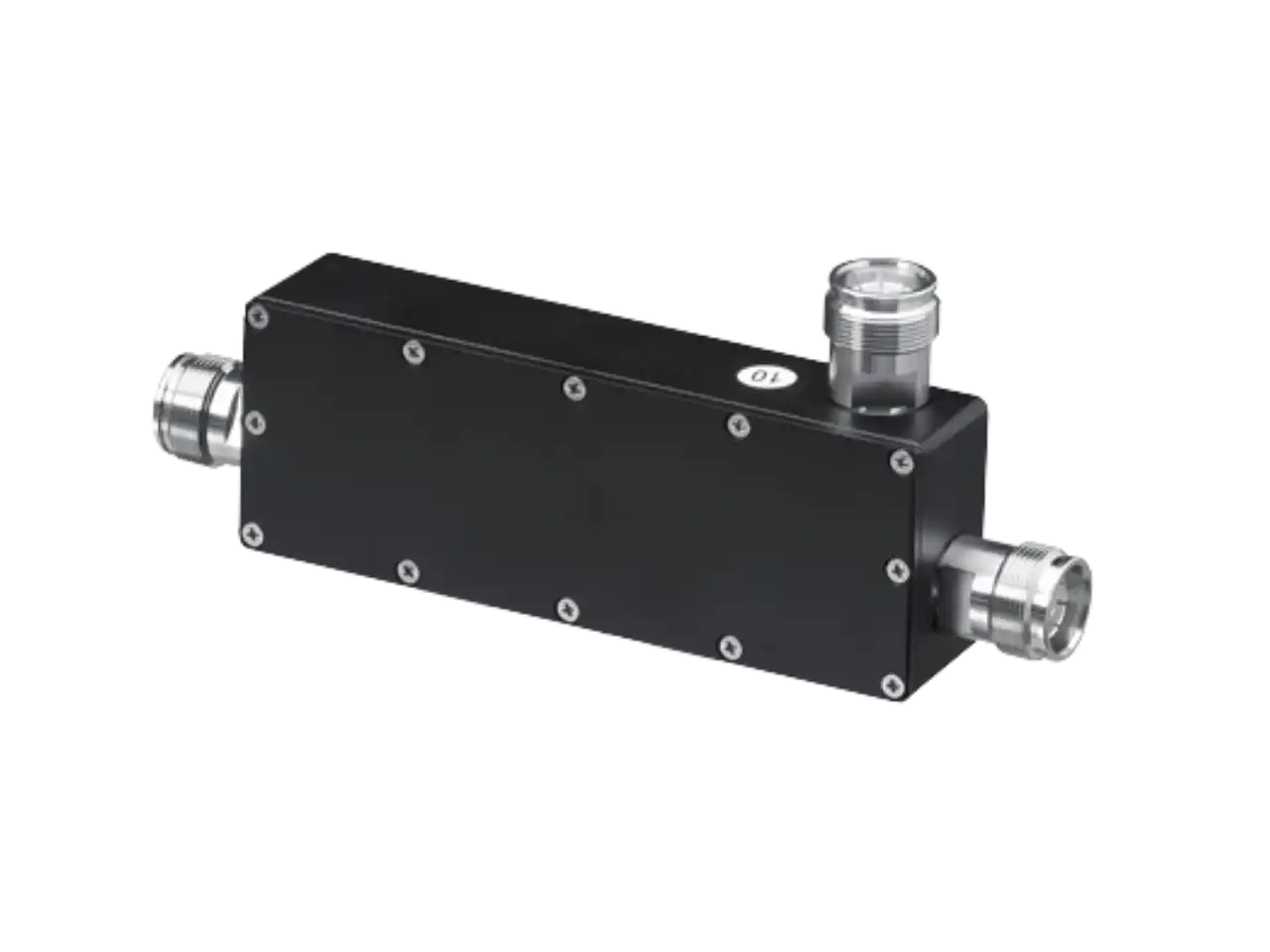
Directional couplers and splitters
Directional couplers and splitters help divide RF power through the indoor network and shape how signal is distributed between different branches or coverage zones. They are central components in passive DAS layouts where coverage must be balanced across several antenna points or routes.
These components are especially important when one source must feed multiple indoor areas with predictable signal sharing. Broadband directional couplers in the range are intended for multiband DAS applications, which makes them useful in systems carrying several services through the same passive layer.
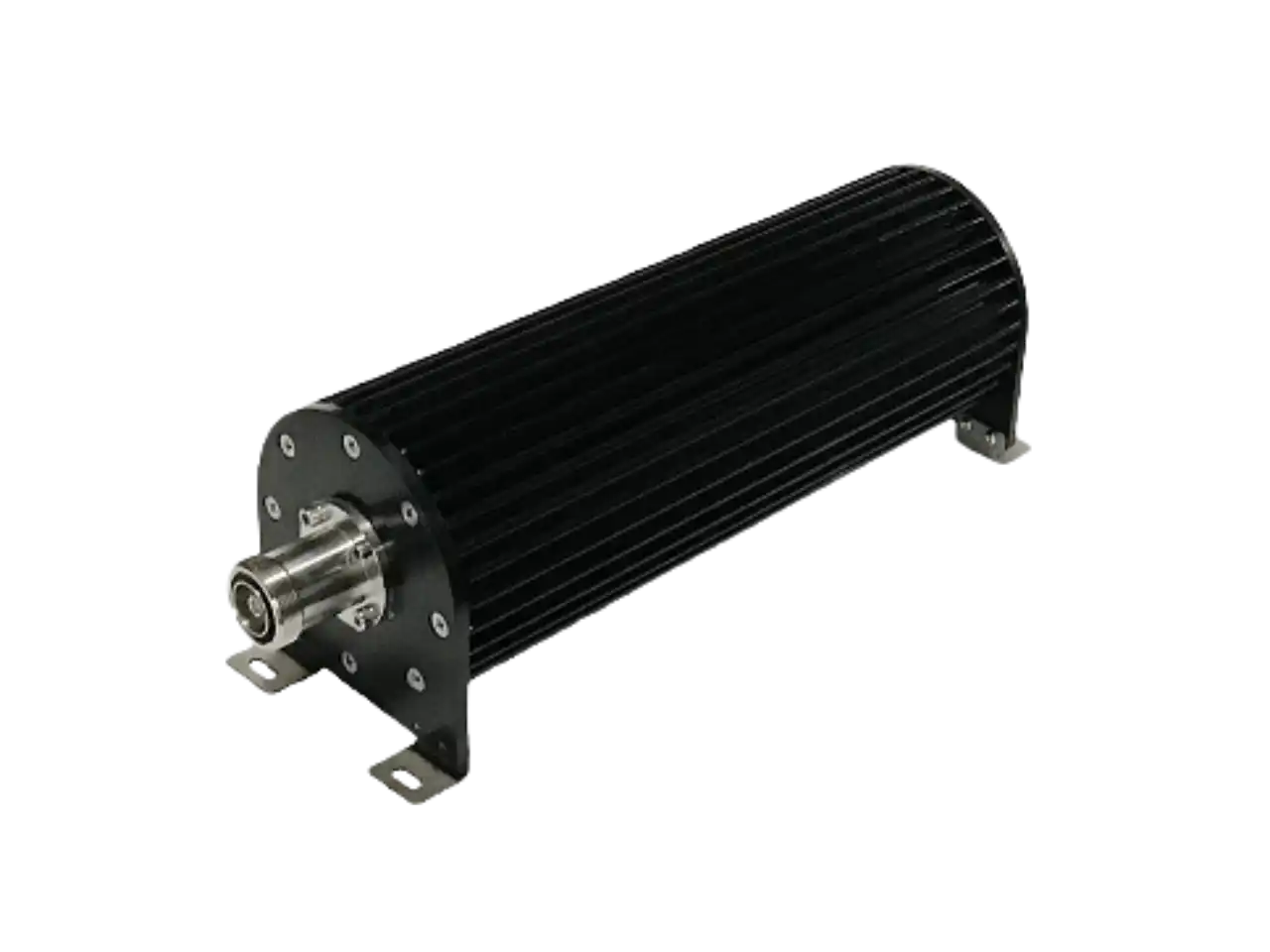
Loads and termination elements
Termination components help complete the RF path correctly and support stable system behaviour by managing unused or end-point branches in the distribution network.
In indoor distribution systems, correct termination is part of keeping the passive layer orderly and electrically stable. It helps maintain intended signal behaviour through the network and reduces the risk of avoidable imbalance in more complex branching layouts.

Indoor antennas
Indoor antennas are the final coverage element of the passive DAS chain, translating the distributed RF signal into usable in-building wireless coverage. The range includes broadband and ultra-broadband indoor antenna solutions designed for low visual impact and passive DAS use.
Indoor antenna choice affects both coverage quality and long-term flexibility. In multiband DAS environments, broadband antennas help support several services through one antenna layer, while PIM-aware antenna design becomes more important when multiple signals share the same infrastructure.
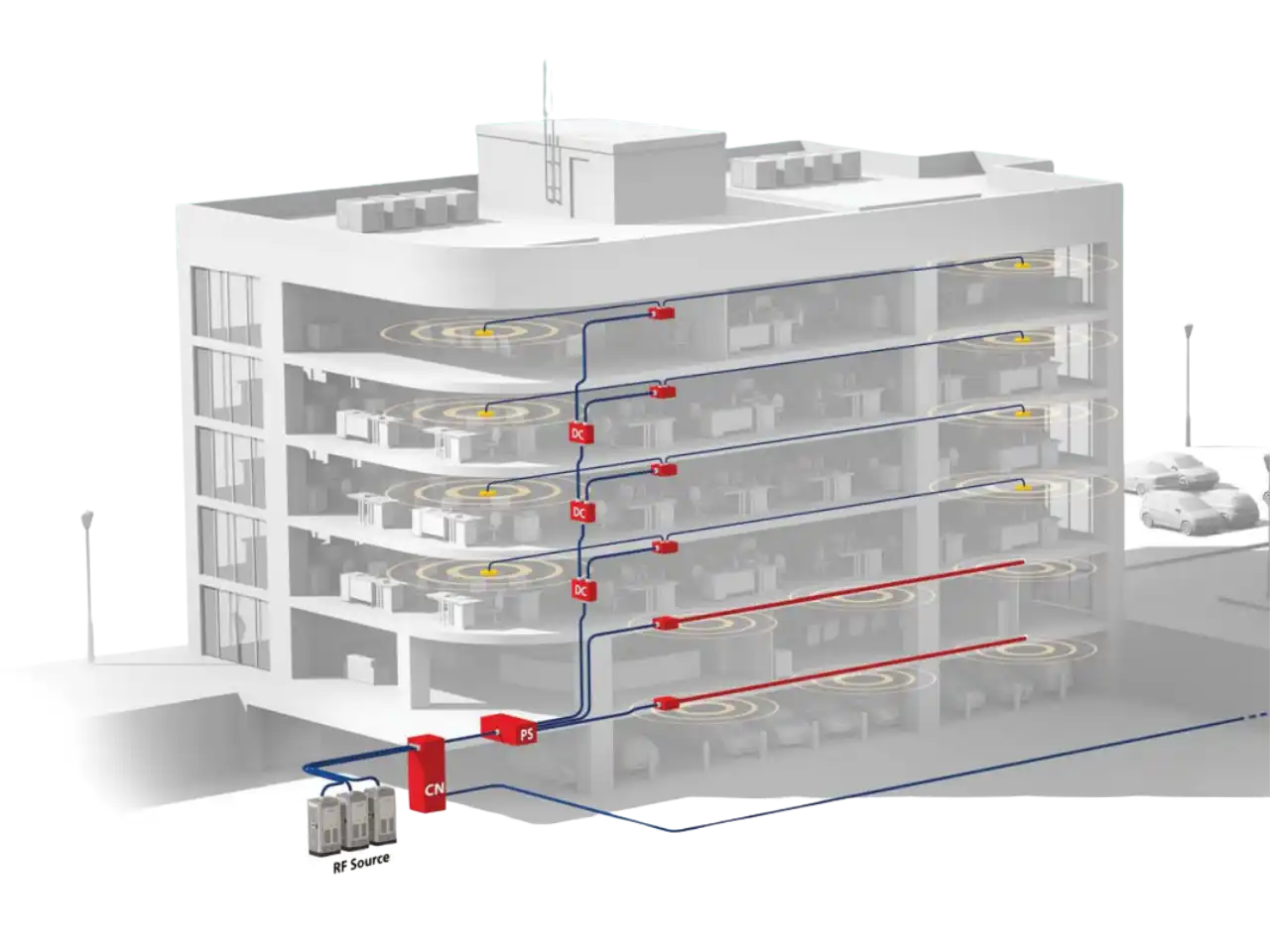
The passive distribution layer as a whole
The real value comes from how these passive components work together. DAS performance depends on the combined effect of couplers, splitters, terminations, cable paths, and antennas rather than on any one part alone.
This is why passive RF components should be selected as part of the full indoor distribution logic of the site. When the passive layer is coherent, it becomes easier to build coverage that is scalable, easier to extend, and better aligned with the actual structure of the building or facility.
Planning a DAS or indoor wireless project?
We help define the right passive RF structure, indoor antennas, and signal distribution approach for the actual site.